Textiles Minister Giriraj Singh flags IITF heritage display
Synopsis
Union Textiles Minister Giriraj Singh says the Ministry of Textiles pavilion at the India International Trade Fair in New Delhi is showcasing India's textile heritage, with visitors drawn to fibre-to-yarn processes and traditional tools.
Key Takeaways
Union Textiles Minister Giriraj Singh on 27 November 2026 highlighted the Ministry of Textiles pavilion at IITF.
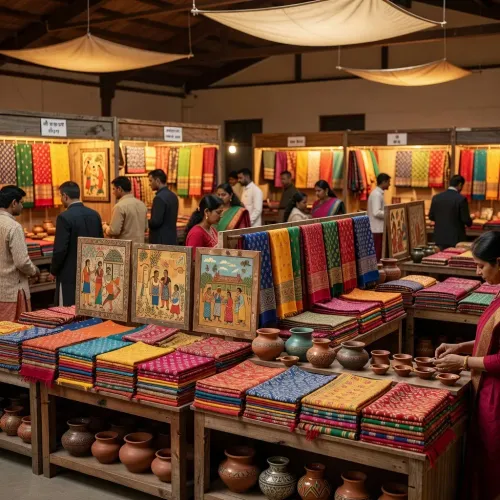
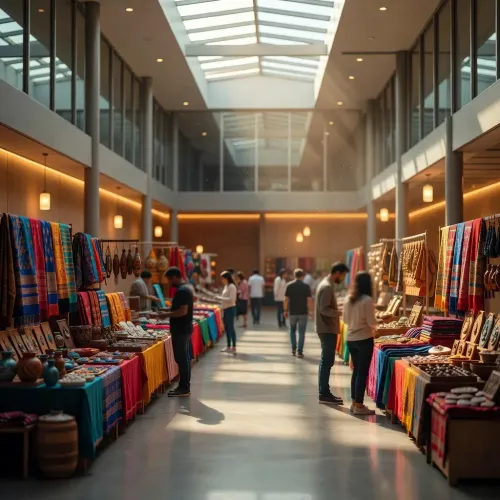
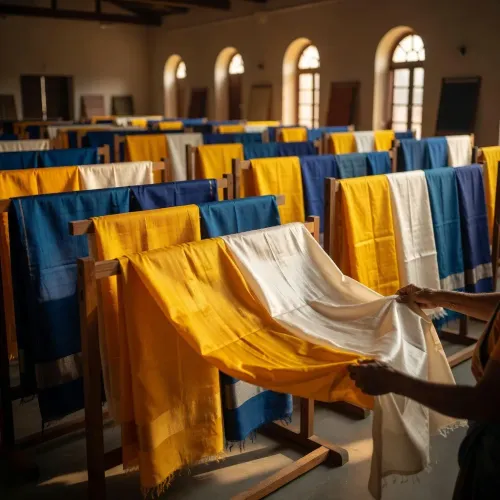
The pavilion at Pragati Maidan, New Delhi is showcasing India's textile heritage and traditional craftsmanship.
Singh pointed to public enthusiasm for fibre-to-yarn processes and old tools.
IITF is organised by the India Trade Promotion Organisation and has long hosted a textiles pavilion.
Handloom weavers and traditional artisans are the core constituency of this outreach.
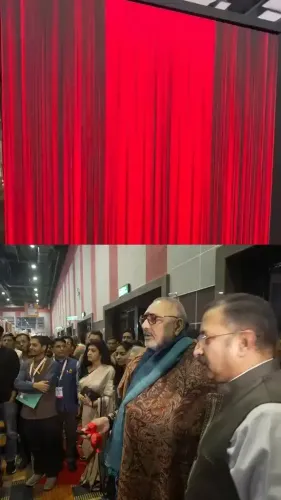
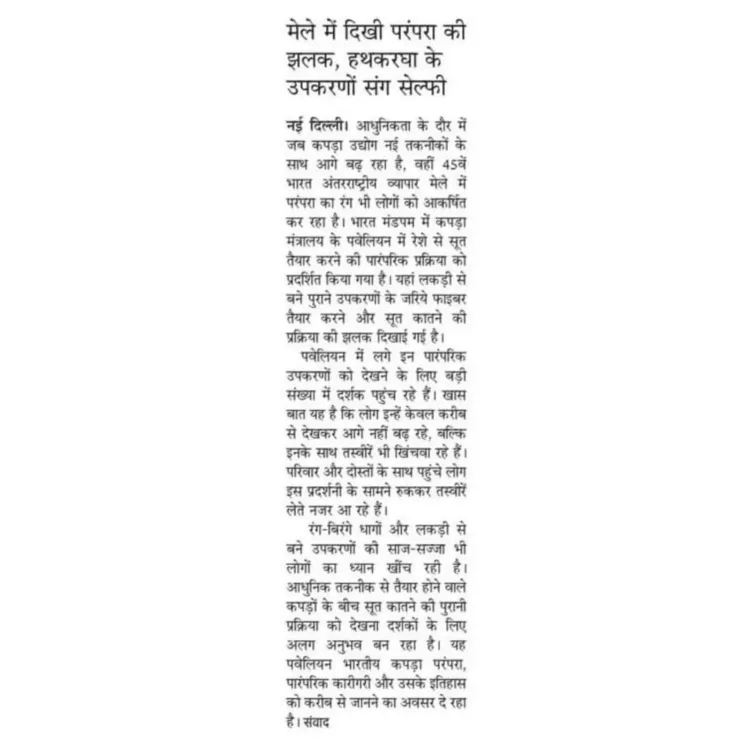
The spinning wheel is doing more than decorate a stall this week at Pragati Maidan. Union Textiles Minister Giriraj Singh on Friday, 27 November 2026 said visitors to the Ministry of Textiles pavilion at the India International Trade Fair in New Delhi are showing real enthusiasm for the old work of turning fibre into yarn.
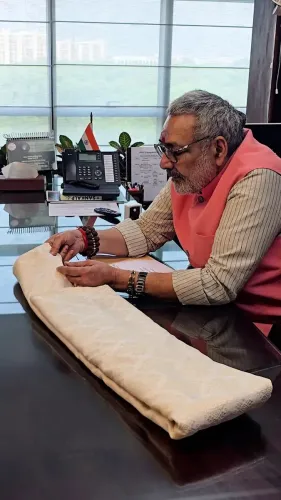
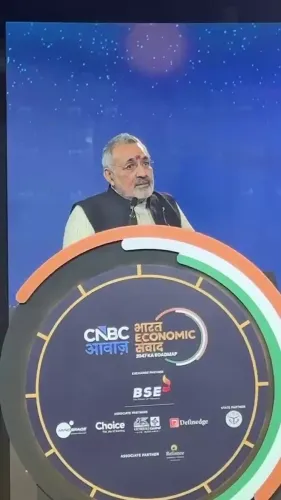
In a post on X, Singh said the pavilion is showcasing the country's rich textile heritage and traditional craftsmanship. People's enthusiasm for the traditional process of preparing yarn from fibre — रेशे से सूत (fibre to yarn) — and for old tools, he wrote, reflects their attachment to centuries-old art and skill.
Fibre-to-yarn demos at Pragati Maidan
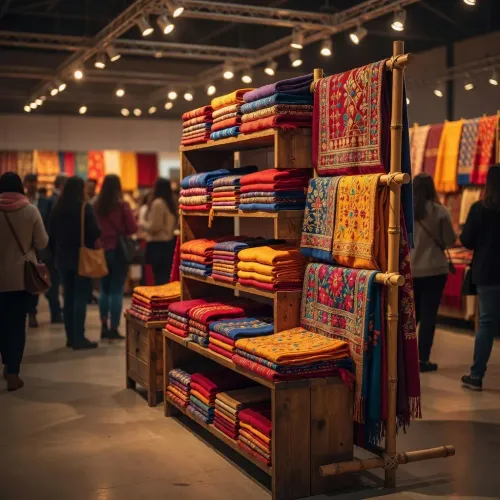
The India International Trade Fair, staged each year by the India Trade Promotion Organisation, is New Delhi's largest public shop-window for Indian industry. The Ministry of Textiles has, for multiple editions, kept a dedicated pavilion there to put handloom and handicraft work in front of families, buyers and students in the same hall.
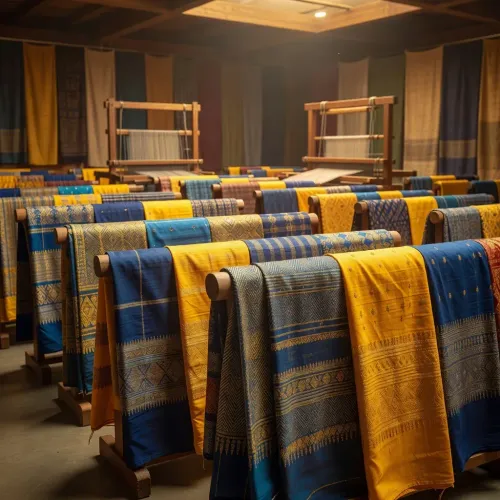
Singh's emphasis was on process rather than finished cloth: the traditional sequence from fibre to yarn, and the older implements that still make that sequence possible. That is the story artisans tell when they want a visitor to understand why a handwoven piece takes the time it does.
Weavers, tools and a civilisational export
Handloom weavers and traditional artisans are the people this outreach is built around. Successive governments have used IITF to pair export promotion with a public lesson in textile traditions, treating Indian fabrics as both merchandise and a civilisational asset.
The ministry's brief covers policy formulation, handloom development and the promotion of traditional crafts. A crowded pavilion does not substitute for cluster support or GI tagging of textiles, but it is the layer that keeps those skills visible to a mass audience.
If a spinning wheel can still halt a trade-fair crowd in 2026, the harder test is whether that pause becomes orders, apprentices and a market that keeps the old tools in daily use.
Point of View
With weavers and artisans as the named constituency. That outreach sits alongside slower instruments such as cluster support and GI tagging. The political test is whether curiosity at Pragati Maidan converts into a market that still needs those tools.
NationPress
27 Nov 2026
Frequently Asked Questions
What did Giriraj Singh say about the IITF textiles pavilion?
Union Textiles Minister Giriraj Singh said the Ministry of Textiles pavilion at the India International Trade Fair is displaying India's rich textile heritage and traditional craftsmanship. He added that public enthusiasm for fibre-to-yarn processes and old tools shows attachment to centuries-old skills.
Where is the India International Trade Fair held?
The India International Trade Fair is held at Pragati Maidan in New Delhi. It is organised annually by the India Trade Promotion Organisation.
Who is Giriraj Singh?
Giriraj Singh is the Union Minister of Textiles. He is a senior BJP leader and Lok Sabha MP from Begusarai, Bihar.
Why does the Textiles Ministry have a pavilion at IITF?
The Ministry of Textiles has maintained a dedicated pavilion at IITF for multiple years to display handloom and handicraft products. The fair is used both for export promotion and public outreach on textile traditions.
What traditional process did Giriraj Singh highlight at IITF?
He highlighted the traditional process of preparing yarn from fibre and public interest in old tools. He said that enthusiasm reflects a living connection with India's craft heritage.