Giriraj Singh hails eSanjeevani as lifeline for remote India
Synopsis
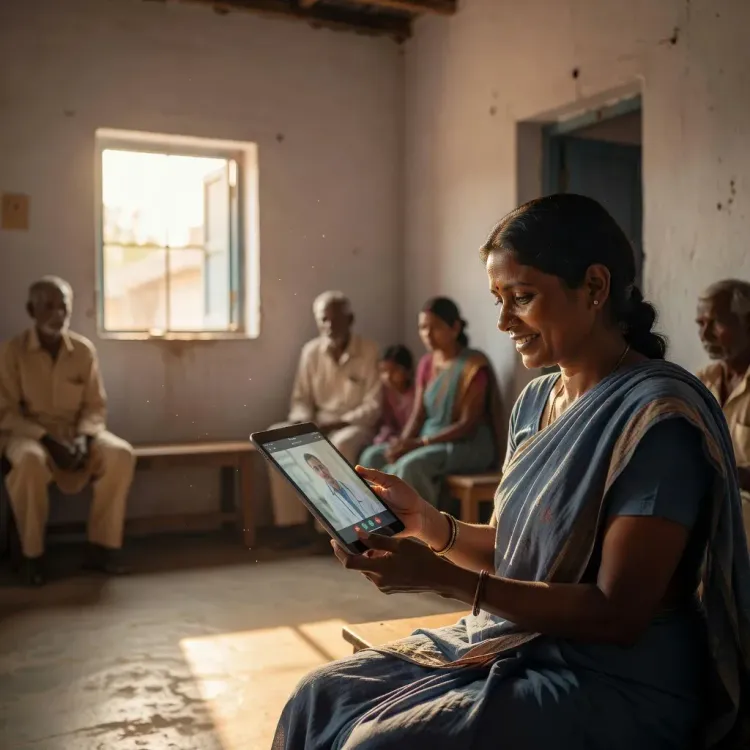
Union Textiles Minister Giriraj Singh amplified praise for eSanjeevani, India's free national telemedicine service, calling it an outstanding union of technology and healthcare that is delivering specialist consultations to remote communities and improving lives.
Key Takeaways
Giriraj Singh praised eSanjeevani on 25 October 2026 , linking his post to #MannKiBaat . eSanjeevani is a free telemedicine service launched in 2019 by the Ministry of Health and Family Welfare .
The platform was rapidly scaled during the COVID-19 pandemic in 2020 to enable remote specialist consultations.
It forms part of the Ayushman Bharat Digital Mission , India's broader digital health infrastructure push.
The primary beneficiaries are rural and remote patients who lack access to in-person specialist care.
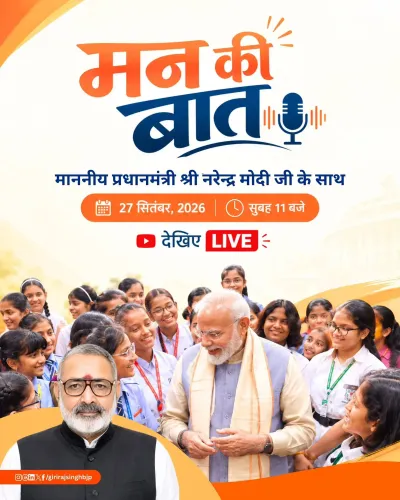
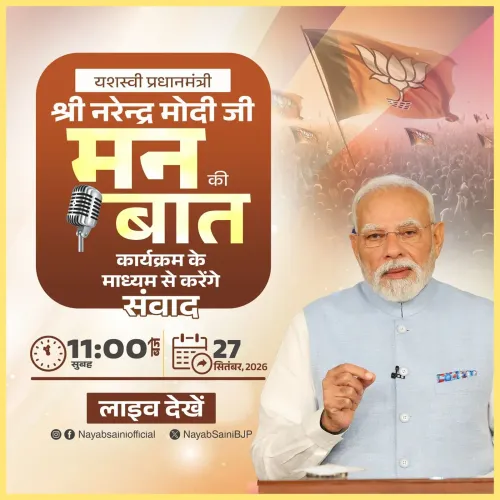
The #MannKiBaat tag indicates the scheme likely received a mention in PM Narendra Modi 's monthly radio address, triggering wider amplification.
A telemedicine platform reaching the farthest corners of India — that is the achievement Union Textiles Minister Giriraj Singh chose to spotlight on Sunday, 25 October 2026, praising eSanjeevani as a landmark example of technology meeting healthcare exactly where it is needed most.
Posting in Hindi with the hashtag #MannKiBaat, the senior BJP leader wrote: 'ई संजीवनी तकनीक और स्वास्थ्य सेवाओं के संगम का उत्कृष्ट उदाहरण है' — 'eSanjeevani is an outstanding example of the confluence of technology and health services.' He added that by delivering specialist doctors' advice to remote areas, the service is making healthcare accessible and bringing relief to countless lives.
What eSanjeevani actually does — and why it matters
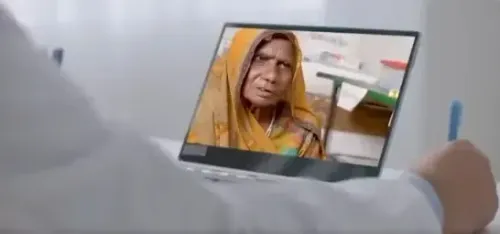
eSanjeevani is a free national telemedicine service run by the Ministry of Health and Family Welfare. Launched in 2019 and rapidly scaled during the COVID-19 pandemic in 2020, it connects patients — particularly in rural and underserved regions — with specialist doctors through video and audio consultations, eliminating the need for long-distance travel to tertiary hospitals.
The platform sits within the larger architecture of the Ayushman Bharat Digital Mission, India's push to stitch together primary healthcare delivery with digital infrastructure. For a country where specialist density remains heavily skewed toward cities, a remote-consultation channel is not a convenience — it is often the only option.
The Mann Ki Baat amplification effect
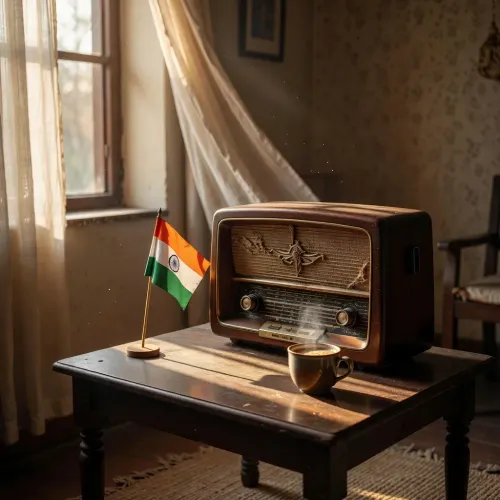
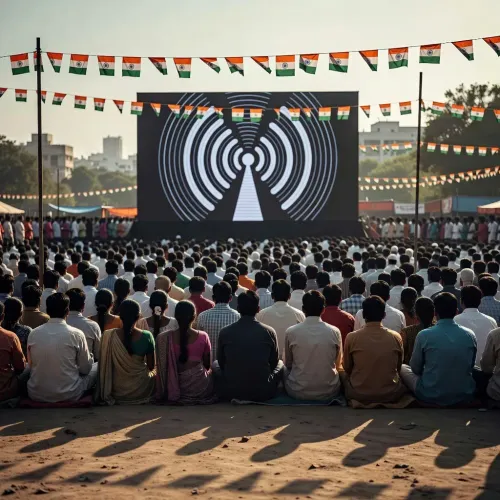
Singh's post carries the #MannKiBaat tag, signalling the platform likely received a mention in Prime Minister Narendra Modi's monthly radio address — a broadcast that has historically served as a megaphone for government welfare schemes. When a scheme surfaces in Mann Ki Baat, Cabinet ministers and party leaders typically amplify the message across social media, extending its reach to urban and semi-urban audiences who follow political figures online but may not tune into the radio programme.
It is a well-worn but effective communication loop: the PM validates, the party ecosystem amplifies, and scheme visibility spikes in a single news cycle.
The gap eSanjeevani is closing
Rural India's specialist shortage is structural. A large share of India's doctors practise in metros and state capitals, leaving district hospitals and primary health centres chronically understaffed at the specialist level. Telemedicine cannot replace in-person surgery or emergency care — but it can triage, advise, and prevent unnecessary referrals that drain patients financially and logistically. That is the specific gap eSanjeevani was designed to fill, and it is the quiet, cumulative impact Singh is drawing attention to.
Watch for the next quarterly usage report on eSanjeevani consultations, and any parliamentary questions linking telemedicine integration to Ayushman Bharat outcomes — those numbers will tell whether the platform's reach is growing as fast as its political profile.
Point of View
Cabinet ministers extend the message online, compressing the political communication cycle. The choice of eSanjeevani is strategically sound: telemedicine carries cross-partisan appeal and is difficult to attack, making it ideal for demonstrating governance delivery rather than ideological positioning. It also signals that the government is increasingly leaning on digital health successes to build a narrative around the Ayushman Bharat Digital Mission ahead of potential parliamentary scrutiny. For observers tracking India's health policy, the real question is whether scheme visibility is matching actual utilisation growth in the most underserved districts.
NationPress
25 Oct 2026
Frequently Asked Questions
What is eSanjeevani and how does it work?
eSanjeevani is a free national telemedicine service run by India's Ministry of Health and Family Welfare. It connects patients — especially in rural areas — with specialist doctors via video and audio consultations, removing the need to travel to distant hospitals.
When was eSanjeevani launched?
eSanjeevani was launched in 2019 and significantly scaled up during the COVID-19 pandemic in 2020 to handle the surge in demand for remote medical consultations.
Why did Giriraj Singh post about eSanjeevani?
Singh posted about eSanjeevani in the context of #MannKiBaat , Prime Minister Modi's monthly radio address, which likely featured the platform. Ministers routinely amplify scheme mentions from the broadcast on social media.
Is eSanjeevani part of Ayushman Bharat?
Yes. eSanjeevani is integrated into the Ayushman Bharat Digital Mission , the government's broader initiative to link digital technology with primary and specialist healthcare delivery across India.
Who benefits most from eSanjeevani?
The primary beneficiaries are patients in rural and remote regions who lack access to specialist doctors locally. The service allows them to receive expert medical advice without the cost and distance of travelling to urban hospitals.