Giriraj Singh Inaugurates IIHT's First National Conclave SUTRA 2026
Synopsis
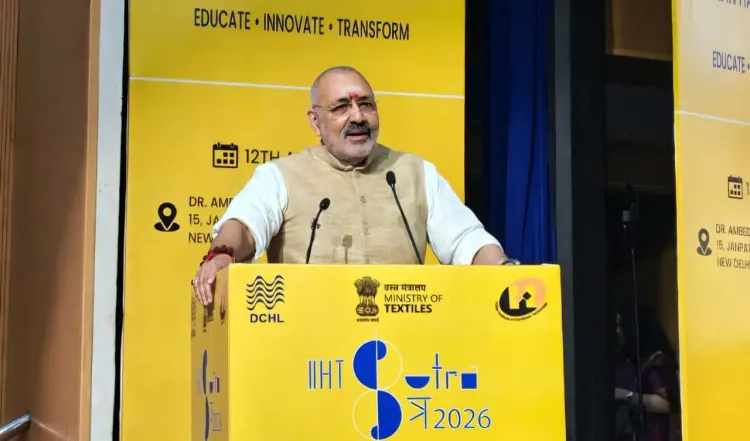
Union Textiles Minister Giriraj Singh inaugurated SUTRA 2026, the first national conclave of the Indian Institutes of Handloom Technology, in New Delhi on August 12, 2026. Themed 'Weaving the Future of the Indian Handloom Sector', the event focuses on education, skill, technology, and innovation to drive growth in India's handloom industry.
Key Takeaways
SUTRA 2026 is the first-ever national conclave of the Indian Institutes of Handloom Technology (IIHT) , inaugurated on August 12, 2026 in New Delhi .
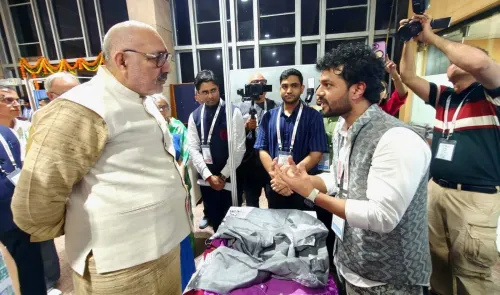
Union Textiles Minister Giriraj Singh presided over the inaugural ceremony and highlighted IIHT's role as a bridge between handloom heritage and modern textile technology.
The conclave's theme is 'Weaving the Future of the Indian Handloom Sector' , centred on education, skill development, technology, and innovation.
IIHT operates under the Ministry of Textiles and has trained technical manpower for the handloom sector for decades.
Policy recommendations and new training programmes emerging from the conclave may feed into upcoming Ministry of Textiles schemes and budget allocations.
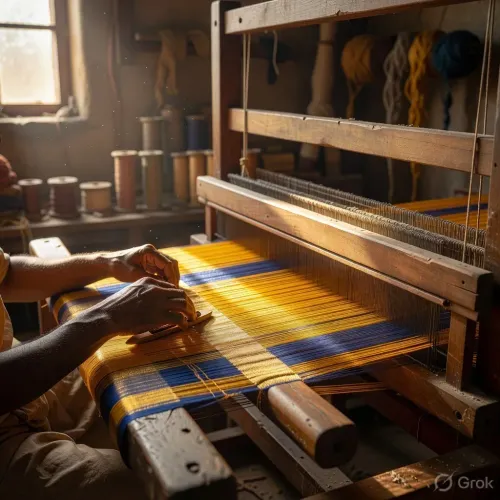
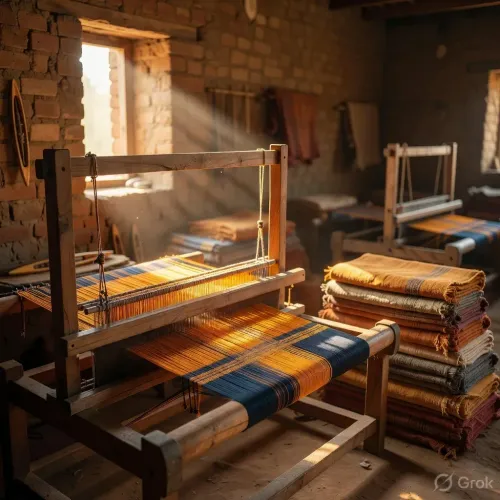
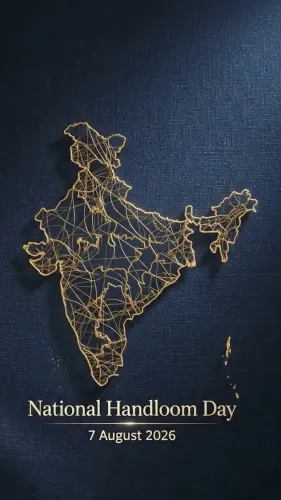
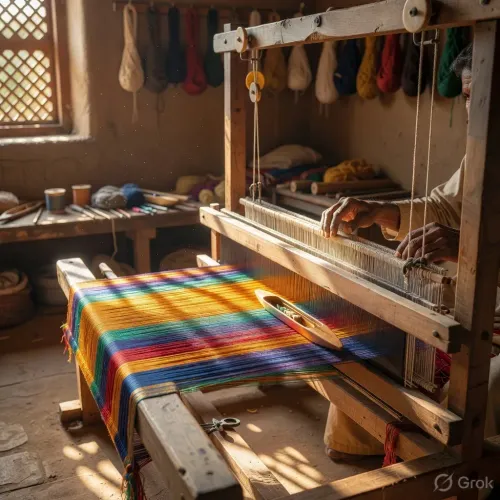
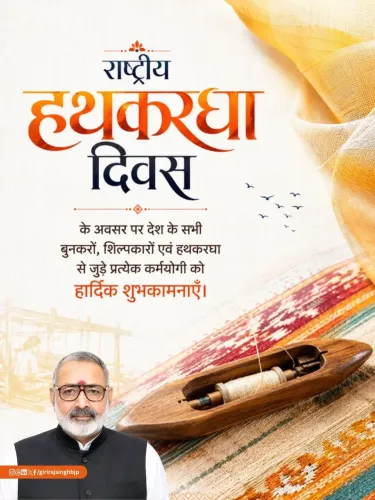
India's handloom sector — a living archive of centuries-old craft, now under pressure from fast fashion and industrial textiles — got a formal push toward the future on Wednesday, August 12, 2026, as Union Textiles Minister Giriraj Singh inaugurated SUTRA 2026, the first-ever national conclave of the Indian Institutes of Handloom Technology (IIHT), in New Delhi.
Posting on X, the Minister described the event as a gathering centred on 'शिक्षा, कौशल, तकनीक और नवाचार' — education, skill, technology, and innovation — as pathways to growth and new possibilities for the handloom sector. The conclave's theme, 'Weaving the Future of the Indian Handloom Sector', frames the moment precisely: heritage meets engineering, loom meets algorithm.
What IIHT Does — and Why SUTRA Matters
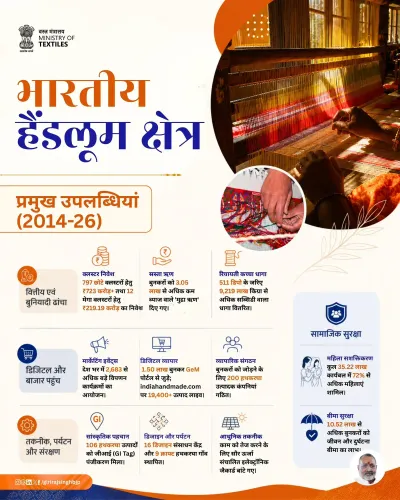
The Indian Institutes of Handloom Technology sit under the Ministry of Textiles and have operated for decades as the sector's technical backbone — training weavers, designers, and technicians to modernise production without severing the thread of tradition. Yet a national-level conclave of this kind is a first. SUTRA 2026 signals a deliberate step up in ambition: bringing education institutions, industry, and policymakers into the same room to map where handloom goes next.
Minister Singh noted that IIHT is emerging as 'एक महत्वपूर्ण सेतु' — an important bridge — between India's rich handloom heritage and modern textile technology. That framing matters. The handloom sector employs millions of weavers across states like Varanasi, Assam, Andhra Pradesh, and West Bengal, making it both a cultural institution and a significant livelihood engine.
A Long Policy Lineage, A New Inflection Point
Successive governments have pursued the same broad goal — integrate traditional weaving with formal technical education and upgrade productivity, design capability, and market access. What distinguishes the current moment is the conclave format itself: a structured national dialogue rather than a scheme rollout or a budget line. The sector's stakeholders — students, weavers, technologists — now have a formal platform to shape what comes next.
Observers will watch closely for any policy recommendations or new training programmes that emerge from SUTRA 2026 and whether they find their way into upcoming Ministry of Textiles schemes or budget allocations. A conclave without a follow-through is just a conversation. The real test is what gets woven into policy.
Point of View
Minister Giriraj Singh is staking a claim to a more systematic, education-led approach to sector development, moving beyond one-off scheme announcements. The conclave format also serves a political signal: that the BJP government sees handloom not merely as cultural heritage but as a viable economic sector deserving technical investment. Whether SUTRA 2026 produces actionable outputs — new curricula, scheme revisions, industry linkages — will determine whether this becomes a genuine policy inflection point or a well-photographed ceremony.
NationPress
12 Aug 2026
Frequently Asked Questions
What is the Indian Institutes of Handloom Technology (IIHT)?
The Indian Institutes of Handloom Technology (IIHT) is a network of institutes under India's Ministry of Textiles that provides technical education and training to modernise handloom practices while preserving traditional weaving heritage.
Who inaugurated the SUTRA 2026 conclave?
Union Textiles Minister Giriraj Singh inaugurated the SUTRA 2026 conclave on August 12, 2026, in New Delhi.
What is the focus of the SUTRA 2026 handloom conclave?
SUTRA 2026 focuses on driving growth in India's handloom sector through education, skill development, technology adoption, and innovation, with the goal of bridging traditional weaving heritage with modern textile technology.
What outcomes are expected from SUTRA 2026?
Observers are watching for policy recommendations, new training programmes, and industry linkages that may emerge from SUTRA 2026 and potentially be incorporated into upcoming Ministry of Textiles schemes or budget allocations.