Giriraj Singh Meets Maharashtra Cotton Stakeholders
Synopsis
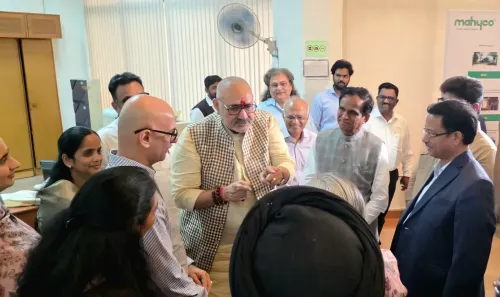
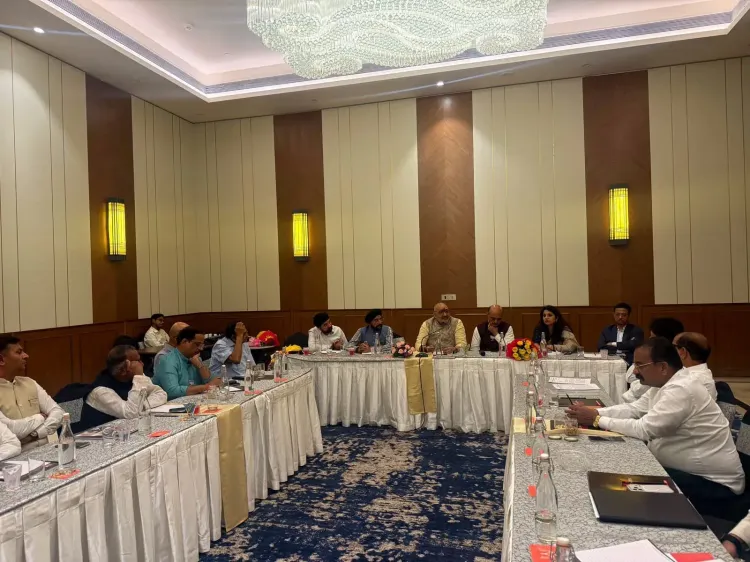
Union Textiles Minister Giriraj Singh met cotton sector stakeholders in Maharashtra on 2 August 2026, discussing production, quality, marketing and farmer concerns as part of the Centre's push to strengthen domestic textile value chains under the Viksit Bharat 2047 vision.
Key Takeaways
Union Textiles Minister Giriraj Singh held stakeholder consultations on the cotton sector in Maharashtra on 2 August 2026 .
Discussions covered cotton production, fibre quality, marketing and farmer-related issues across the value chain.
Maharashtra is one of India's largest cotton-producing states, making it a critical node for any central textiles policy.
The engagement is framed under the Viksit Bharat 2047 vision, linking sectoral reform to India's long-term development goals.
India's Technology Mission on Cotton (launched 2000 ) set earlier benchmarks on productivity and quality that remain active policy concerns.
Follow-up announcements from the Ministry of Textiles on concrete production or marketing measures are expected.
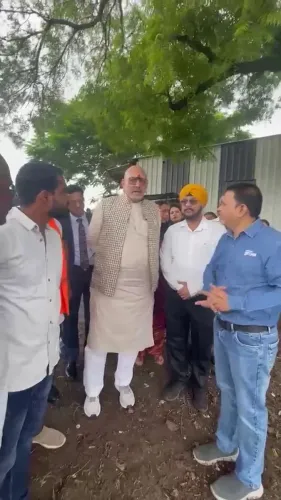
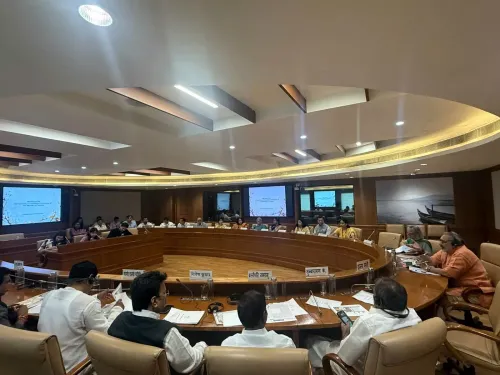
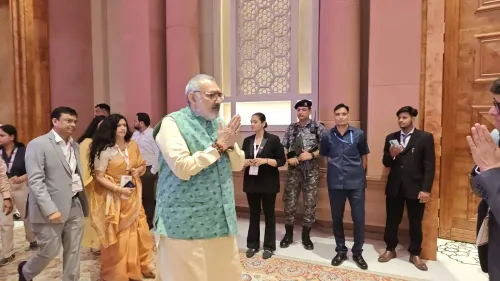
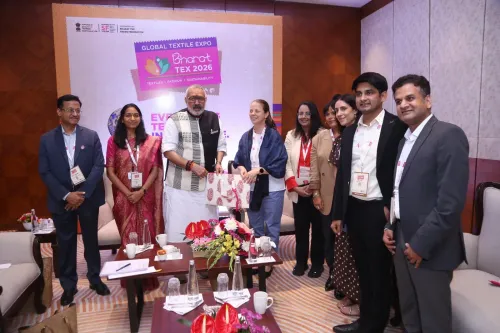
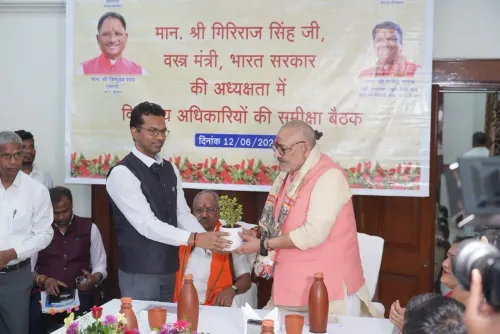
India's cotton sector got a ministerial ear in Maharashtra on Sunday, 2 August 2026, as Union Textiles Minister Giriraj Singh held wide-ranging consultations with stakeholders across the cotton value chain — from farmers to marketers — signalling that the Centre is actively stress-testing its textiles roadmap at the ground level.
Posting on X, Singh described the engagement as a 'sarthak samvad' — a meaningful dialogue — covering production, quality, marketing, and farmer-related issues. 'ऐसे संवाद कपास क्षेत्र से जुड़े विभिन्न पहलुओं को बेहतर ढंग से समझने और आगे की कार्ययोजना पर विचार साझा करने का अवसर प्रदान करते हैं' ('Such dialogues provide an opportunity to better understand the various aspects of the cotton sector and to share thoughts on the action plan ahead'), he wrote, tagging the session under #ViksitBharat2047.
Why Maharashtra, and Why Now
Maharashtra is one of India's largest cotton-producing states, anchoring a substantial share of the country's raw cotton output and feeding mills across the western textile belt. Any central policy shift on cotton — pricing, quality grading, export incentives, or farmer support — lands disproportionately here. A minister making the trip to consult local stakeholders, rather than summoning them to Delhi, carries its own signal. The consultations touched on the full arc of the cotton chain: cultivation and productivity at the farm end, fibre quality in the middle, and marketing and price realisation at the exit. That breadth suggests the Ministry is not chasing a single fix but mapping systemic pressure points.The Policy Thread Running Through This
India's cotton sector has carried structural challenges for decades. The Technology Mission on Cotton, launched in 2000, was an early attempt to raise yields, improve fibre quality, and cut cultivation costs — goals that remain live debates in 2026. Singh's Maharashtra visit slots into a longer pattern of ministerial stakeholder engagement aimed at aligning ground realities with the Centre's Viksit Bharat 2047 development framework, which envisions India as a globally competitive manufacturing economy by its centenary of independence. Cotton is a load-bearing pillar of that ambition. India is among the world's largest cotton producers and exporters, and the textile sector is a major employer — particularly for rural women in states like Maharashtra. Getting the cotton chain right is not just an agricultural question; it is an industrial and employment question too. Watch for follow-up announcements from the Ministry of Textiles on production or marketing measures that may emerge from these consultations.Point of View
But their frequency and geographic targeting reveal where the Ministry senses friction. Maharashtra's cotton belt has long flagged concerns over price volatility, quality grading disputes, and inadequate market linkages — issues that Delhi-based policy often under-weights. Singh's visit, tagged to Viksit Bharat 2047, is a deliberate attempt to tie grassroots cotton economics to the Centre's macro ambitions. Whether it translates into actionable policy — revised MSP mechanisms, quality certification reforms, or export facilitation — will determine if the dialogue was consultative theatre or genuine course-correction.
NationPress
16 Sept 2026
Frequently Asked Questions
Why did Giriraj Singh visit Maharashtra for cotton consultations?
As Union Textiles Minister, Giriraj Singh visited Maharashtra to engage directly with cotton sector stakeholders — including farmers and marketers — on issues of production, quality and marketing, as part of the Ministry's effort to build an action plan for the sector under the Viksit Bharat 2047 framework.
What topics were discussed in the Maharashtra cotton stakeholder meeting?
The consultations covered cotton production, fibre quality improvement, marketing and price realisation, and issues specific to cotton farmers in Maharashtra.
Why is Maharashtra important for India's cotton sector?
Maharashtra is one of India's largest cotton-producing states, accounting for a significant share of national output and feeding a major part of the country's textile supply chain.
What is Viksit Bharat 2047 and how does it relate to cotton?
Viksit Bharat 2047 is the government's vision for India to become a developed economy by 2047. The textiles and cotton sectors are central to this goal given their role in manufacturing, exports, and rural employment.
What was the Technology Mission on Cotton?
The Technology Mission on Cotton was a government initiative launched in 2000 aimed at raising cotton productivity, improving fibre quality, and reducing cultivation costs for Indian farmers.