Giriraj Singh: PM Modi releases Kannada Ramayana translation

Synopsis
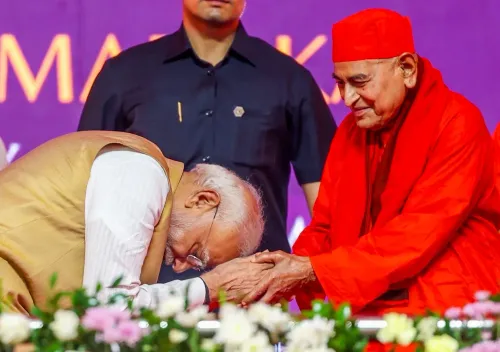
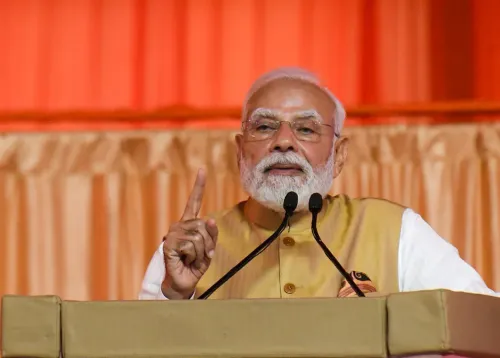
Prime Minister Narendra Modi released Kannada translations of the Valmiki Ramayana and Vedanta monks' stories at an event in Mysuru, a cultural initiative shared by Union Textiles Minister Giriraj Singh on August 2, 2026.
Key Takeaways
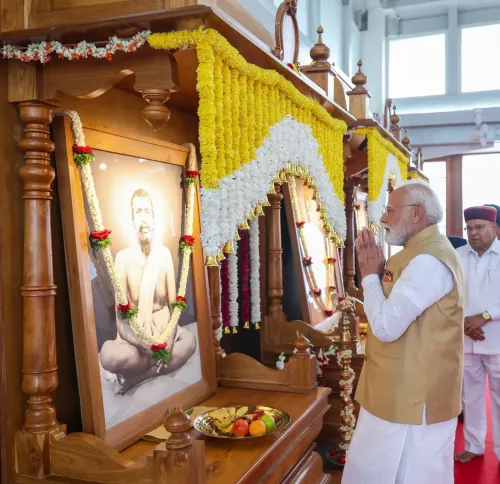
PM Narendra Modi released Kannada translations of the Valmiki Ramayana and stories of Vedanta monks at an event in Mysuru, Karnataka .
Union Textiles Minister Giriraj Singh shared the news on Sunday, August 2, 2026 .
The event is part of a broader pattern of central government efforts to make classical Sanskrit literature accessible in India's scheduled regional languages.
Mysuru — Karnataka's historic cultural capital — served as the venue, reflecting its role as a hub for literary and cultural programmes.
Kannada readers and literary scholars are the primary beneficiaries of these new translations.
A bridge between Sanskrit antiquity and the Kannada-speaking world took shape in Mysuru as Prime Minister Narendra Modi released Kannada translations of the Valmiki Ramayana and stories of Vedanta monks — a cultural moment that Union Textiles Minister Giriraj Singh highlighted on Sunday, August 2, 2026.
What was released in Mysuru
The event brought together two distinct but complementary bodies of classical Indian literature: the Valmiki Ramayana, the foundational Sanskrit epic attributed to the sage Valmiki, and the collected stories of Vedanta monks — both now rendered accessible to Kannada readers through these new translations. Mysuru, Karnataka's historic cultural capital, served as the fitting backdrop for the release.Classical texts reaching regional readers
Central government leaders have periodically championed translations of Sanskrit texts into India's scheduled languages, framing accessibility to classical literature as a cultural priority. Southern India, with its deep literary traditions and robust regional-language publishing ecosystems, has frequently been the venue for such initiatives. A Kannada translation of the Ramayana carries particular resonance in Karnataka, where the epic already holds a strong presence in folk, theatrical, and devotional traditions. For Kannada literary scholars and general readers alike, a fresh translation anchored in the Valmiki original offers both a scholarly resource and a popular cultural touchstone.Point of View
A region where the party has historically sought to expand its footprint. Choosing Mysuru, a city synonymous with Karnataka's cultural heritage, amplifies the symbolism. The pattern of such releases across scheduled languages suggests a deliberate, long-term strategy to position the Centre as a custodian of India's classical traditions — one that resonates with both scholarly communities and a broader devotional public.
NationPress
2 Aug 2026
Frequently Asked Questions
What did PM Modi release in Mysuru?
PM Modi released Kannada translations of the Valmiki Ramayana and stories of Vedanta monks at a cultural event in Mysuru, Karnataka.
Why is a Kannada translation of the Valmiki Ramayana significant?
The Valmiki Ramayana is the foundational Sanskrit epic on which much of Indian literary and devotional tradition is based. A fresh Kannada translation makes this classical text directly accessible to millions of Kannada-speaking readers and scholars.
Who shared news of the Mysuru Ramayana translation event?
Union Textiles Minister and senior BJP leader Giriraj Singh shared the news on his official X (formerly Twitter) account on August 2, 2026.
Has the central government released similar translations before?
Yes. Central government leaders have periodically released translations of Sanskrit classical texts into India's scheduled regional languages as part of efforts to broaden access to classical literature, with events frequently held in southern India.
What are the Vedanta monks' stories that were translated into Kannada?
The post references stories of Vedanta monks translated into Kannada alongside the Valmiki Ramayana. Specific titles were not detailed in the available information.