Giriraj Singh visits Raipur ITSA Hospital to advance Meditech textiles
Synopsis
Union Textiles Minister Giriraj Singh visited ITSA Hospital in Raipur on 13 June 2026, engaging doctors on the use of Meditech technical textiles in healthcare. The visit underscores India's Rs 1,480 crore National Technical Textiles Mission push for indigenous medical textile manufacturing under Atmanirbhar Bharat.
Key Takeaways
Giriraj Singh visited ITSA Hospital, Raipur on 13 June 2026 to assess technical textiles use in healthcare.
The minister held discussions with doctors on expanding Meditech applications and indigenous manufacturing.
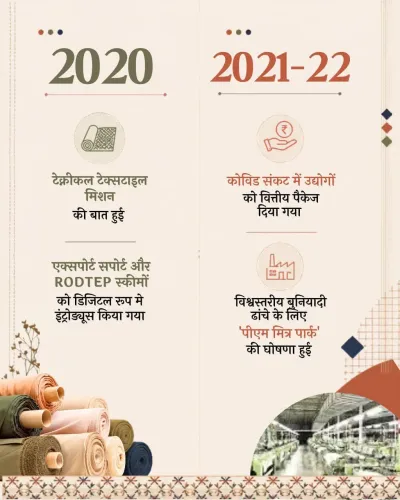
The National Technical Textiles Mission , approved in 2020 , carries an outlay of Rs 1,480 crore targeting medical and other technical textile segments.
The PLI Scheme for Textiles (2021) provides additional incentives for domestic man-made fibre and technical textile producers.
The ministry is building field-level case studies to scale Meditech adoption across government hospitals under the Viksit Bharat 2047 vision.
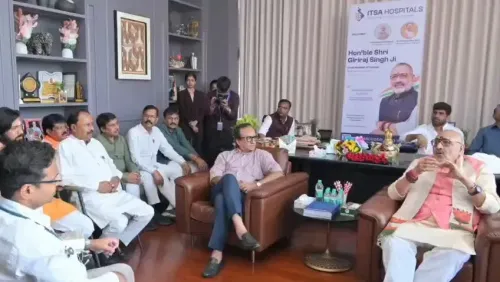
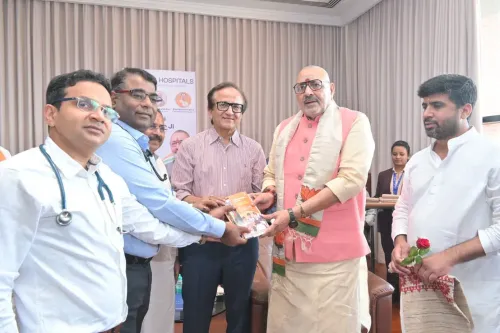
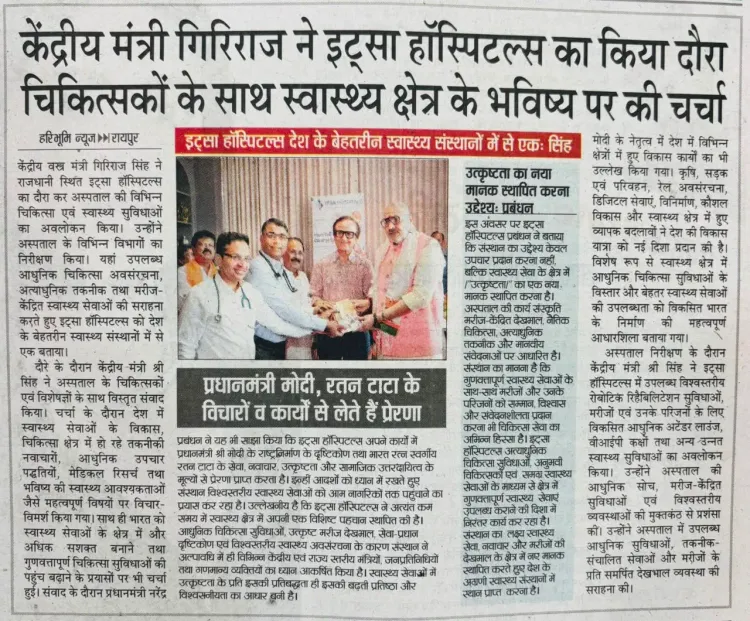
Union Textiles Minister Giriraj Singh on Saturday, 13 June 2026, visited ITSA Hospital in Raipur, Chhattisgarh, to assess the effective use of technical textiles in healthcare, explore innovations, and chart future possibilities for the sector. The minister described the visit as a significant step toward expanding the application of Meditech (medical technical textiles) in India's health system.
Context
Posting on X in Hindi, Giriraj Singh said the visit to the Raipur-based ITSA Hospital was 'important in the direction of advancing the effective use, innovation, and future possibilities of technical textiles in the healthcare sector.' He added that discussions with doctors made it clear that 'the increasing use of modern technologies, innovations, and indigenous manufacturing is making health services more effective, accessible, and quality-driven' — strengthening the resolve of Viksit Bharat (Developed India).
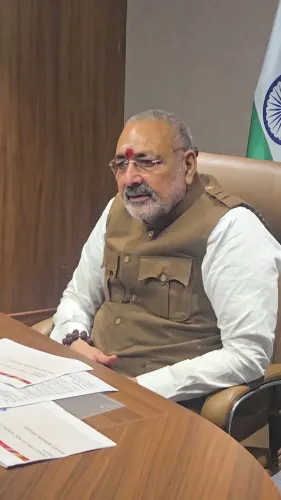
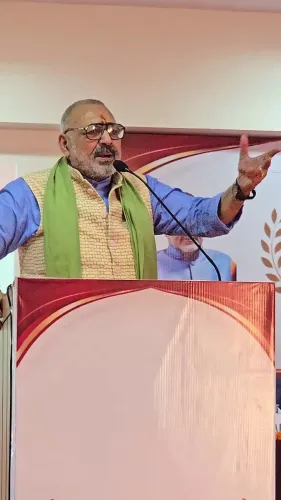
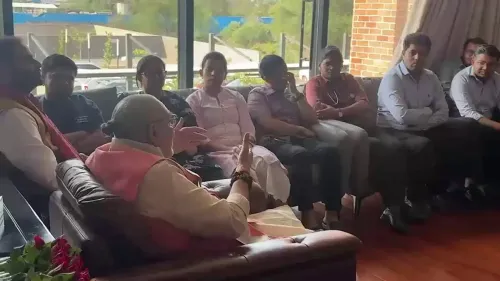
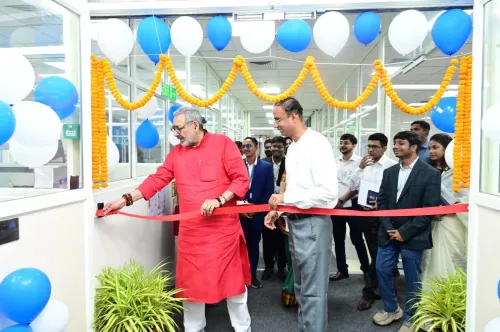
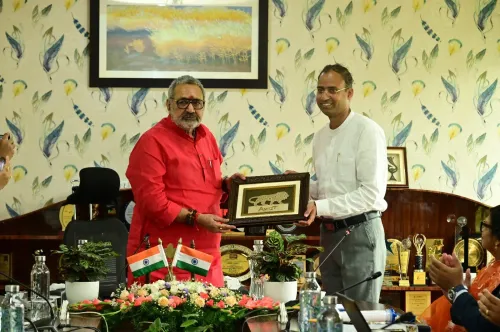
The post was accompanied by four images from the visit, showing the minister engaging with medical professionals at the facility.
Policy Backdrop
The visit sits within a broader push by the Textiles Ministry since 2020 to position technical textiles as a high-value growth segment. The National Technical Textiles Mission (NTTM), approved in 2020 with an outlay of Rs 1,480 crore, specifically targets research, production, and application of technical textiles including the Meditech category — which covers surgical drapes, wound-care fabrics, hospital bedding, and implantable materials.
The Production Linked Incentive (PLI) Scheme for Textiles, notified in 2021, also carries components supporting man-made fibre and technical textile segments, incentivising domestic manufacturers to scale up. Both schemes feed directly into the Atmanirbhar Bharat initiative — launched in 2020 — which seeks to reduce India's dependence on imported medical supplies and textile inputs.
Stakeholders and Impact
Healthcare providers and technical textile manufacturers stand to gain most from accelerated Meditech adoption. Domestic production of hospital-grade textiles — from non-woven fabrics used in personal protective equipment to advanced wound-management materials — can lower procurement costs for government hospitals and reduce foreign-exchange outgo on imports.
For manufacturers, ministerial-level engagement signals continued policy support and potential procurement linkages with public health infrastructure, particularly as India expands its Ayushman Bharat hospital network. Smaller units in textile clusters can enter the Meditech value chain through technology upgrades supported under the NTTM.
What's Next
Attention will now turn to whether the Raipur visit translates into pilot projects deploying Meditech products in government hospitals across Chhattisgarh and other states. Budget watchers will also track whether fresh allocations for the National Technical Textiles Mission are announced in upcoming Union Budgets to sustain momentum. Giriraj Singh's active field outreach suggests the ministry intends to build visible case studies of technical textiles in public healthcare before scaling the model nationally — a key plank of the government's Viksit Bharat 2047 vision.
Point of View
The minister ties indigenous manufacturing to the government's long-horizon development narrative, reinforcing BJP's economic-nationalism messaging ahead of state and national electoral cycles. The focus on healthcare is also strategically astute: Meditech is a segment where import substitution has a direct, visible public-welfare dividend, making it easier to build cross-party consensus. Whether the visit produces concrete procurement commitments or pilot project announcements will determine if this is a policy milestone or a well-photographed symbolic gesture.
NationPress
21 Sept 2026
Frequently Asked Questions
What is Meditech in textiles?
Meditech refers to the category of technical textiles used in medical and healthcare applications, including surgical drapes, wound-care fabrics, non-woven hospital bedding, personal protective equipment, and implantable materials. India's National Technical Textiles Mission specifically funds research and production in this segment.
What is the National Technical Textiles Mission?
The National Technical Textiles Mission (NTTM) was approved by the Indian government in 2020 with an outlay of Rs 1,480 crore. It aims to boost research, domestic production, and application of technical textiles across sectors including healthcare, defence, agriculture, and infrastructure.
Why did Giriraj Singh visit ITSA Hospital in Raipur?
Union Textiles Minister Giriraj Singh visited ITSA Hospital in Raipur on 13 June 2026 to assess how technical textiles are being used in healthcare, discuss innovations with doctors, and explore ways to expand indigenous Meditech manufacturing under schemes like the National Technical Textiles Mission and Atmanirbhar Bharat.
What is Atmanirbhar Bharat's role in medical textiles?
Atmanirbhar Bharat, launched in 2020, seeks to reduce India's dependence on imported goods including medical supplies and textile inputs. In the textiles sector, it has spurred policy support for domestic Meditech manufacturers through the NTTM and the Production Linked Incentive Scheme for Textiles.
What is Viksit Bharat and how does it relate to textiles?
Viksit Bharat is the Indian government's vision for India to become a fully developed nation by 2047. The Textiles Ministry links technical textile growth — particularly in high-value segments like Meditech — to this vision by positioning indigenous manufacturing as a driver of quality healthcare and economic self-reliance.