Goa CM Sawant hails Modi as India's longest-serving elected PM
Synopsis
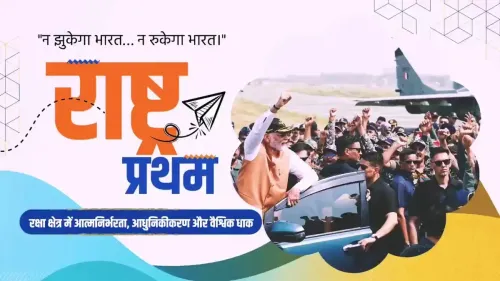
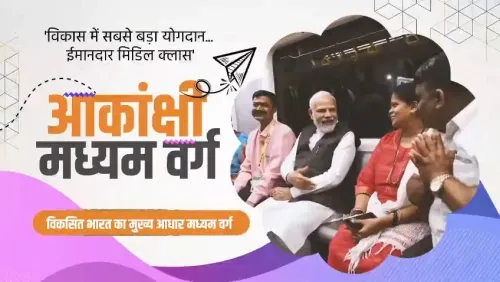
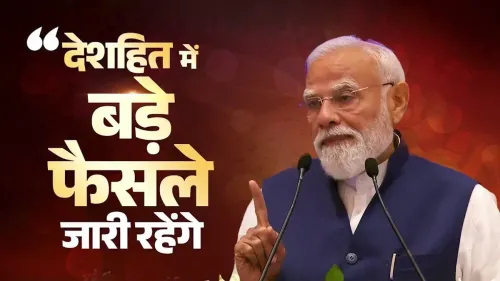
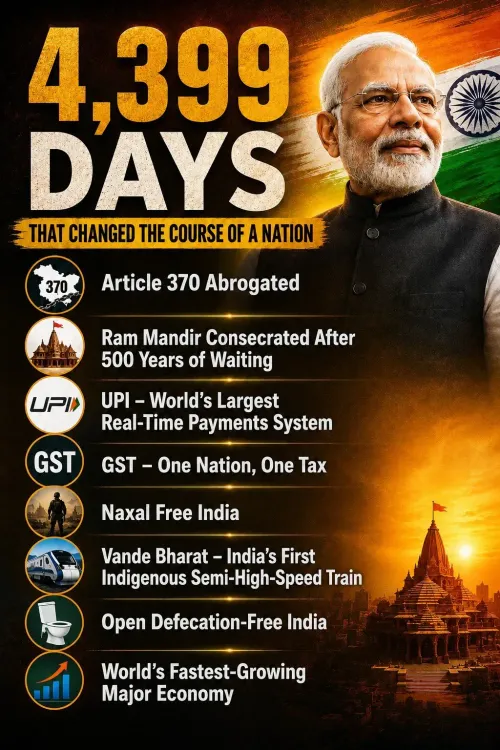
Goa Chief Minister Pramod Sawant on 10 June 2026 hailed Prime Minister Narendra Modi as India's longest-serving elected Prime Minister, marking 4,399 days in office and crediting transformative schemes including Jan Dhan, GST, Ayushman Bharat and Digital India as pillars of the Viksit Bharat vision.
Key Takeaways
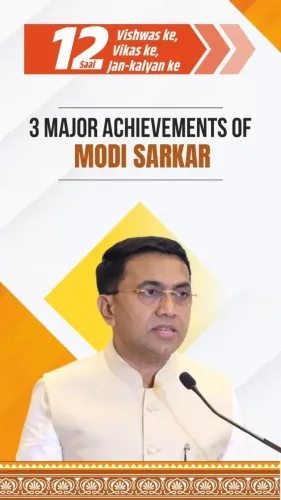
Goa CM Pramod Sawant posted on X on 10 June 2026 marking PM Modi as India's longest-serving elected Prime Minister.
The post cited 4,399 days of continuous leadership since May 2014 across three consecutive terms.
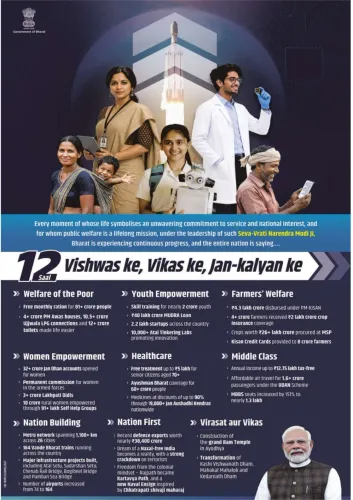
Schemes highlighted include Jan Dhan , Digital India , GST , Ayushman Bharat and Startup India .
Ayushman Bharat provides health cover of up to Rs 5 lakh per family per year to economically weaker sections.
The milestone is framed within the government's Viksit Bharat 2047 development roadmap.
Sawant's tribute reflects Goa 's alignment with central scheme implementation under the BJP-led framework.
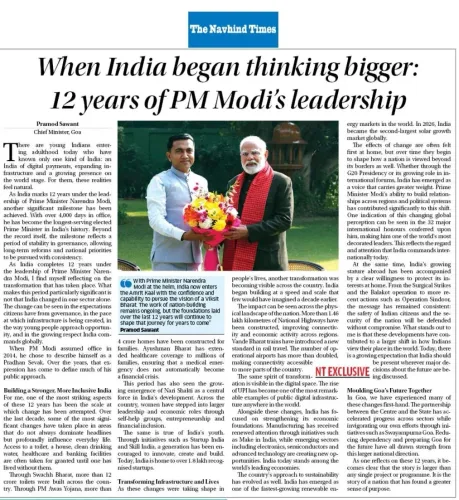
Goa Chief Minister Pramod Sawant on Wednesday, 10 June 2026, took to X to mark what he described as Prime Minister Narendra Modi becoming India's longest-serving elected Prime Minister, citing 4,399 days of continuous leadership since May 2014. Sawant attributed the milestone to sustained execution of flagship welfare and economic programmes that have reshaped the country's development trajectory.
Context
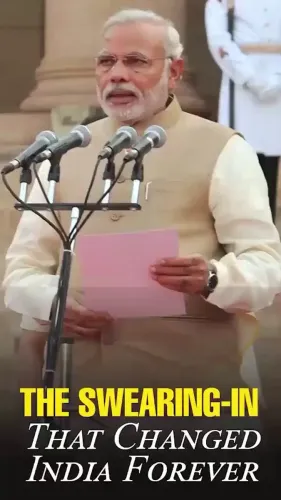
Narendra Modi was first sworn in as Prime Minister on 26 May 2014 after the BJP-led NDA secured a parliamentary majority. He was re-elected in 2019 and again in 2024, making his tenure a continuous run across three consecutive terms — an arc that Sawant's post frames as a record in India's democratic history.
Sawant wrote: 'From Jan Dhan to Digital India, GST, Ayushman Bharat, Startup India and world-class infrastructure, the past 4,399 days have transformed India's development journey with decisive leadership and delivery at scale.' The post carried the hashtag #LongestServingElectedPMModi.
Policy Backdrop
The schemes Sawant cited span more than a decade of central government policy. Pradhan Mantri Jan Dhan Yojana, launched in August 2014, drove financial inclusion by opening bank accounts for previously unbanked households. The Digital India programme, launched on 1 July 2015, expanded broadband connectivity, e-governance platforms and digital literacy across the country.
The Goods and Services Tax (GST), rolled out on 1 July 2017 after a constitutional amendment, unified multiple central and state levies into a single indirect-tax framework. Ayushman Bharat, announced in the February 2018 Union Budget, extended health cover of up to Rs 5 lakh per family per year to economically weaker sections, positioning itself as the world's largest government-funded health insurance scheme. Startup India, launched in January 2016, offered tax incentives and regulatory easing to new ventures, seeding an entrepreneurship ecosystem that has grown substantially since.
Together, these programmes form the stated policy spine of the government's Viksit Bharat 2047 vision — a roadmap to developed-nation status by India's centenary of independence.
Stakeholders and Impact
The beneficiary base cited across these programmes is vast: Jan Dhan account holders numbering in the hundreds of millions, Ayushman Bharat health cover recipients from low-income families, registered startups under the Startup India framework, and infrastructure users across national highways, railways and digital corridors. Each programme has relied on central-state coordination and technology platforms for delivery at scale.
As Goa's Chief Minister, Sawant has aligned state-level implementation with central schemes, making his endorsement both a political tribute and an implicit claim of local delivery. Goa has participated in Ayushman Bharat rollout and digital infrastructure expansion under the broader national framework.
What's Next
Political observers will watch whether this milestone triggers a wider BJP outreach campaign consolidating Modi's governance record ahead of upcoming legislative sessions. On the policy side, the expansion of Ayushman Bharat 2.0 and new infrastructure corridor announcements in forthcoming Union Budget discussions will test whether the delivery momentum Sawant invokes continues into the next phase of the Viksit Bharat agenda.
For Goa, state-level adoption metrics on digital and health schemes are likely to feature in Sawant's own political messaging as he positions the state as a model of central-scheme implementation.
Point of View
The message signals ideological coherence within the BJP's governance narrative heading into future electoral cycles. The framing around 'Viksit Bharat' is significant — it ties a retrospective milestone to a forward-looking policy promise, shifting the discourse from what has been done to what remains to be delivered. For a regional chief minister, amplifying such milestones is also a low-cost, high-visibility act of alignment with the national leadership.
NationPress
26 Oct 2026
Frequently Asked Questions
Why is Narendra Modi called India's longest-serving elected Prime Minister?
Modi has served continuously since 26 May 2014 across three consecutive elected terms, a run that surpasses previous Prime Ministers who either served non-consecutive terms or shorter continuous periods. Goa CM Pramod Sawant's post on 10 June 2026 cited 4,399 days in office to mark the milestone.
What is Viksit Bharat 2047?
Viksit Bharat 2047 is the Modi government's stated vision to achieve developed-nation status by 2047 , the centenary of India's independence, through sustained investment in infrastructure, digital public goods, health coverage and economic reforms.
What are the key schemes launched under Modi's tenure?
Major schemes include Pradhan Mantri Jan Dhan Yojana (financial inclusion, 2014), Digital India (e-governance and connectivity, 2015), Goods and Services Tax (indirect tax unification, 2017), Ayushman Bharat (health cover up to Rs 5 lakh , 2018) and Startup India (entrepreneurship support, 2016).
What did Goa CM Pramod Sawant say about PM Modi?
Sawant said the past 4,399 days had 'transformed India's development journey with decisive leadership and delivery at scale,' adding that Modi's milestone 'reflects sustained leadership, consistent execution and unwavering commitment towards Viksit Bharat.'
How does Ayushman Bharat work?
Ayushman Bharat , announced in the February 2018 Union Budget, provides government-funded health insurance of up to Rs 5 lakh per family per year to economically weaker households, and is considered the world's largest scheme of its kind.