Goa Govt launches Mhajo Flat Scheme to protect flat owners

Synopsis
The Goa Government has approved the Mhajo Flat Scheme, a reform initiative aimed at protecting flat owners' rights and resolving long-standing ownership disputes in cooperative housing societies across the state, announced on 1 July 2026.
Key Takeaways
The Goa Government approved the Mhajo Flat Scheme on 1 July 2026 , targeting cooperative housing reform.
The scheme is designed to safeguard flat owners' rights and resolve long-pending ownership transfer issues.
Cooperative housing societies in Goa will face new obligations under the reform framework.
The move follows similar cooperative housing updates in Maharashtra and Karnataka over the past decade.
Operational guidelines, including registration and dispute redressal processes, are yet to be published.
Amendments to the Goa Cooperative Societies Act may be required for full implementation.
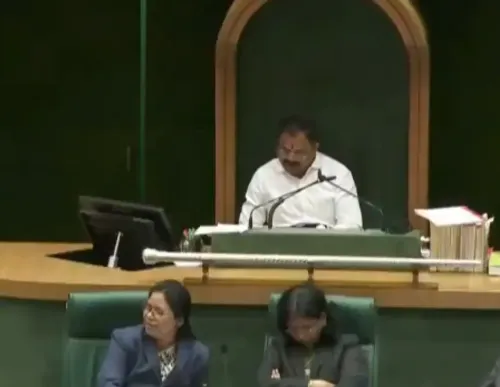
The Chief Minister's Office of Goa announced on Wednesday, 1 July 2026 that the Goa Government has approved the launch of the Mhajo Flat Scheme, describing it as a landmark reform aimed at empowering flat owners and strengthening cooperative housing across the state.
Context
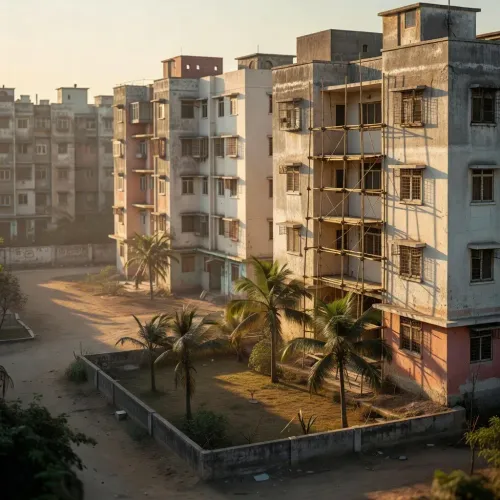
The scheme is positioned as a 'transformative initiative' that safeguards the rights of flat owners and resolves long-pending ownership issues in Goa's cooperative housing sector. The state's real estate landscape has grown rapidly over the past two decades, driven by tourism and migration, leaving many apartment complexes governed by ageing cooperative structures that have struggled to keep pace with demand for clear title transfers and transparent management.
The announcement frames the reform as addressing systemic gaps — particularly stalled ownership transfers and unresolved disputes — that have affected a significant number of flat owners registered under cooperative housing societies in the state.
Policy Backdrop
Cooperative housing societies in Goa operate under state cooperative law and are responsible for maintenance, share-certificate transfers, and internal dispute resolution in multi-unit residential buildings. The Real Estate (Regulation and Development) Act, 2016 established a national baseline for buyer protection, which states were expected to adapt into local governance frameworks.
Maharashtra and Karnataka have undertaken similar updates over the past decade, digitising share-certificate records and clarifying member rights in urban housing cooperatives to reduce litigation in ageing apartment complexes. Goa's Mhajo Flat Scheme appears to follow this broader national pattern of state-level cooperative housing reform.
Stakeholders and Impact
The primary beneficiaries of the scheme are flat owners who have faced prolonged uncertainty over ownership documentation within cooperative housing societies. Disputes over share certificates, delayed conveyance deeds, and opaque society management have been recurring grievances in Goa's urban and semi-urban residential clusters.
Cooperative housing societies themselves stand to be affected, as the scheme is expected to impose clearer obligations on society management bodies. Legal practitioners and property consultants active in Goa's real estate sector will also be watching the operational guidelines closely for changes to dispute redressal procedures.
What's Next
The immediate next steps will involve the publication of the scheme's operational guidelines, including the registration process for eligible flat owners and the mechanism for resolving ownership disputes. Any required amendments to the Goa Cooperative Societies Act will need to be tabled and passed before the scheme can be fully operationalised.
The scheme's rollout will be a test of the government's ability to translate a policy announcement into a functional redressal system — a challenge that has tripped up similar reforms in other states where implementation lagged significantly behind the initial launch.
Point of View
The scheme's credibility will hinge entirely on the operational guidelines and enforcement capacity — the gap between announcement and implementation has undermined similar reforms elsewhere. If Goa can deliver a functional dispute redressal mechanism, it could set a replicable model for other small states navigating tourism-driven real estate complexity.
NationPress
30 Sept 2026
Frequently Asked Questions
What is the Mhajo Flat Scheme in Goa?
The Mhajo Flat Scheme is a Goa Government initiative approved on 1 July 2026 that aims to protect the rights of flat owners, resolve long-pending ownership transfer disputes, and strengthen cooperative housing societies in the state.
Who benefits from the Mhajo Flat Scheme?
Flat owners registered under cooperative housing societies in Goa are the primary beneficiaries, particularly those who have faced delays in ownership documentation, share-certificate transfers, or disputes with their housing society.
How does the Mhajo Flat Scheme relate to cooperative housing societies?
Cooperative housing societies manage residential flat complexes in Goa and are responsible for share transfers and dispute resolution. The scheme is expected to impose clearer obligations on these societies and provide flat owners with a formal redressal mechanism.
Is the Mhajo Flat Scheme similar to housing reforms in other Indian states?
Yes, Goa's move follows comparable cooperative housing reforms in Maharashtra and Karnataka, where states digitised share-certificate records and clarified member rights to reduce litigation in ageing apartment complexes.
What are the next steps after the Mhajo Flat Scheme approval?
The government is expected to publish operational guidelines covering the registration process for eligible flat owners and the dispute redressal mechanism, along with any necessary amendments to the Goa Cooperative Societies Act.