Assam floods: Akhil Gogoi blames mining syndicate, demands Dikhow river probe
Synopsis
Assam opposition MLA Akhil Gogoi isn't buying the cloudburst explanation for the state's recent floods. Armed with drone survey data, he alleges that a political-mining syndicate damaged coffer dams and stripped protective embankments along the Dikhow river — and he's named three ruling party figures by name. His demand for a formal probe puts Chief Minister Himanta Biswa Sarma on the defensive.
Key Takeaways
Sivasagar MLA Akhil Gogoi alleged on 23 August that illegal mining on the Dikhow river worsened Assam's recent floods.
He named Water Resources Minister Susanta Borgohain , Sonari MLA Dharmeswar Konwar , and MLA Mayur Borgohain as alleged members of a mining 'syndicate'.
A drone survey by Gogoi's team identified damage to five coffer dams and protective stone embankments along the Dikhow.
Gogoi alleged the India Meteorological Department had ruled out a cloudburst, contradicting Chief Minister Himanta Biswa Sarma's explanation.
Only around 10 per cent of required relief material reportedly reached flood-affected residents, according to Gogoi's claims.
Gogoi has demanded a formal inquiry and action against all individuals found responsible.
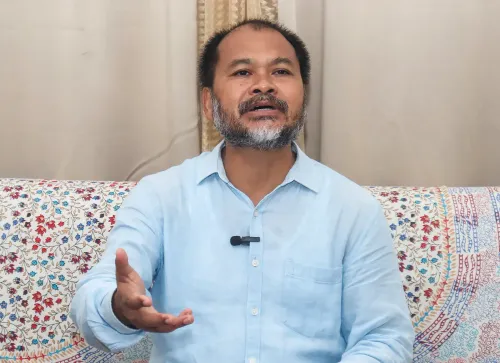
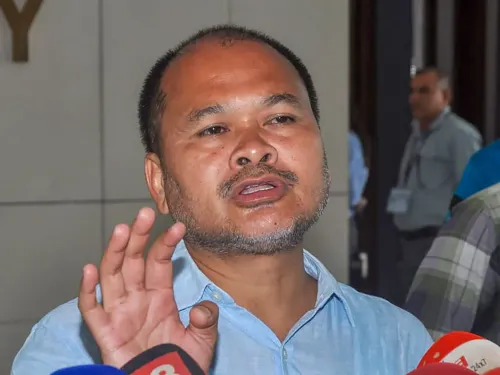
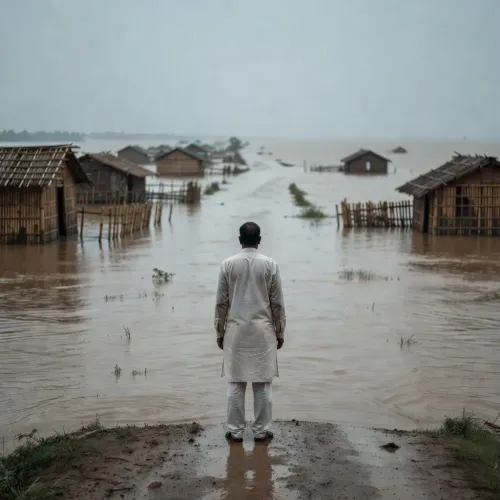
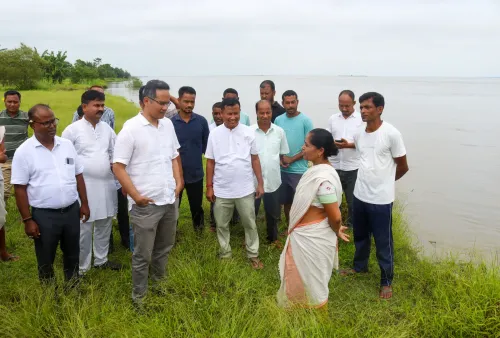
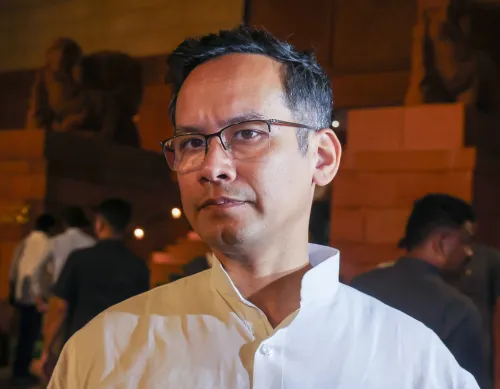
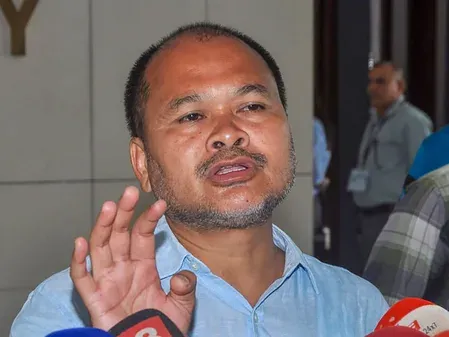
Assam opposition leader and Sivasagar MLA Akhil Gogoi on Saturday, 23 August alleged that illegal mining activities and systematic destruction of river protection structures along the Dikhow river were key contributors to the recent devastating floods in the state. Gogoi demanded a formal inquiry into what he described as a political-mining nexus involving senior ruling party figures.
Who Gogoi Named and What He Alleged
The MLA directly named Assam Water Resources Minister Susanta Borgohain, Sonari MLA Dharmeswar Konwar, and MLA Mayur Borgohain as alleged members of a 'syndicate' conducting mining operations along the Dikhow. He further linked the activities to the portfolio of Assam Finance, Environment and Forest, and Mines and Minerals Minister Jayanta Malla Baruah, and held Chief Minister Himanta Biswa Sarma ultimately responsible for the situation.
Gogoi rejected Chief Minister Sarma's claim that a cloudburst had caused the floods, alleging that the India Meteorological Department had ruled out a cloudburst. He accused Sarma of misleading the public over the actual causes of the disaster.
Drone Survey Findings on the Dikhow
Gogoi said he had deployed a special team equipped with drones to assess conditions along the Dikhow river. According to him, the team identified several vulnerable points. He alleged that five coffer dams had been constructed at active stone-mining sites and that these structures were subsequently damaged during the monsoon, triggering a rapid rise in water levels and aggravating flooding in surrounding areas.
He further alleged that protective stone embankments along multiple stretches of the Dikhow had either been damaged or removed, leaving nearby communities and tea gardens in the region exposed to floodwaters.
Relief Operations Under Scrutiny
Beyond the cause of the floods, Gogoi raised serious concerns about the state government's relief and rescue response. He alleged that only around 10 per cent of the required relief material had reached affected residents. He also claimed that some of the rice distributed to flood victims was unfit for consumption, that mattresses supplied were of extremely poor quality, and that authorities failed to issue timely warnings to several vulnerable communities.
Demands and What Comes Next
Gogoi has demanded a comprehensive inquiry into the alleged mining activities and the specific roles of the three named political leaders, urging the state government to act against anyone found responsible. The Assam government is yet to formally respond to his allegations. With the monsoon season still active, pressure is likely to mount on the administration to address both the relief shortfall and the structural questions around river management along the Dikhow.
Point of View
If substantiated, would point to a structural failure that goes well beyond any single monsoon event — illegal extraction weakening flood defences is a recurring pattern across northeastern river systems, and the Dikhow is not the first river where such claims have surfaced. The drone-survey approach gives his charge a degree of evidentiary specificity that is harder to dismiss than a press conference alone. But the burden of proof remains high: naming sitting ministers and MLAs requires the probe he is demanding to actually happen, and on that count, the Assam government's silence is itself telling. The relief shortfall allegations compound the political damage — if even 10 per cent delivery is accurate, it suggests institutional failure at multiple levels simultaneously.
NationPress
7 Oct 2026
Frequently Asked Questions
What did Akhil Gogoi allege about the Assam floods?
Akhil Gogoi alleged that illegal stone mining along the Dikhow river and deliberate damage to river protection structures — including five coffer dams — contributed to the recent devastating floods in Assam. He named three ruling party figures as part of an alleged mining syndicate and demanded a formal probe.
Who did Gogoi name in his allegations?
Gogoi named Assam Water Resources Minister Susanta Borgohain, Sonari MLA Dharmeswar Konwar, and MLA Mayur Borgohain as alleged members of the syndicate. He also linked the activities to Finance and Mines Minister Jayanta Malla Baruah and held Chief Minister Himanta Biswa Sarma responsible.
Why did Gogoi reject the cloudburst explanation?
Gogoi claimed the India Meteorological Department had ruled out a cloudburst as the cause of the flooding, directly contradicting Chief Minister Sarma's statement. He argued the disaster was caused by a combination of damaged embankments and weakened river structures, not a weather anomaly.
What did Gogoi's drone survey find along the Dikhow river?
According to Gogoi, his drone team identified several vulnerable points along the Dikhow, including five damaged coffer dams built at mining sites and protective stone embankments that had been removed or destroyed, leaving nearby areas and tea gardens exposed to floodwaters.
What are the allegations about flood relief operations?
Gogoi alleged that only about 10 per cent of required relief material reached affected residents. He also claimed that distributed rice was unfit for consumption, supplied mattresses were of very poor quality, and that authorities failed to issue timely warnings to vulnerable communities.