Government on High Alert: Monitoring Radical Preachers Amid Iran Crisis
Synopsis
In light of recent developments in Iran, the Indian government has issued a warning to states to monitor radical preachers who may incite violence. This advisory comes after the death of Ayatollah Khamenei amidst escalating tensions in West Asia.
Key Takeaways
Government Alert: The Union government is closely monitoring radical preachers.
Potential Violence: There are concerns about attempts to incite communal discord due to the Iran crisis.
Election Vigilance: States like West Bengal and Assam must remain cautious ahead of upcoming polls.
International Implications: The situation in West Asia is being monitored for its potential impact on India.
Community Safety: Emphasis on maintaining peace and safety for all civilians.
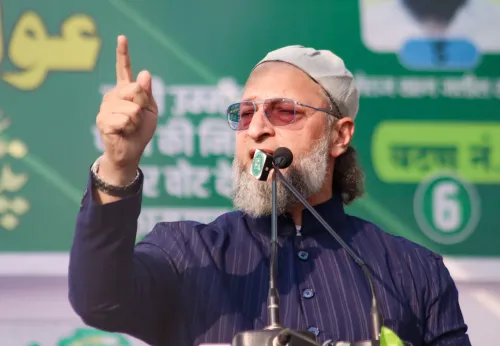
New Delhi, March 2 (NationPress) In response to an Intelligence alert, the Union government has instructed states to closely monitor radical pro-Iran preachers. This directive follows warnings from Intelligence agencies indicating that certain groups may attempt to exploit the current crisis in Iran to provoke violence throughout the nation.
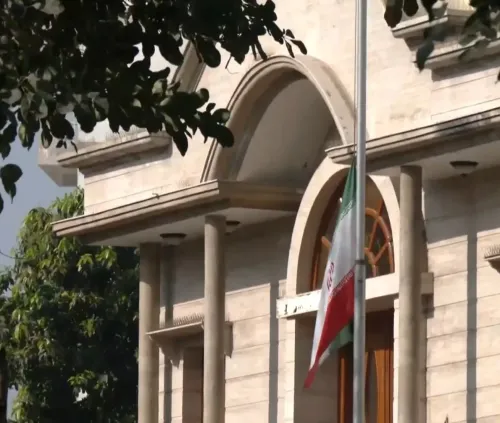
The advisory was issued in light of the recent Israel-US airstrikes on Iran that resulted in the death of the supreme leader, Ayatollah Ali Khamenei.
An official from the Intelligence Bureau noted that while these radical factions may not be explicitly pro-Iran, they are poised to leverage the situation to instigate unrest. India has expressed its concerns regarding the turmoil in Iran and the wider West Asia region.
Prime Minister Narendra Modi has voiced his deep apprehension about the ongoing developments and called for calm.
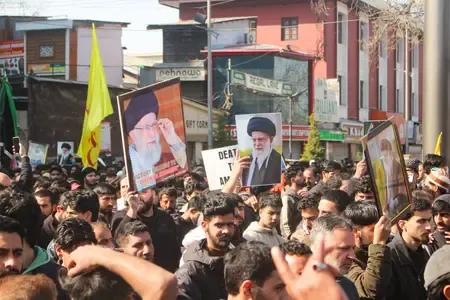
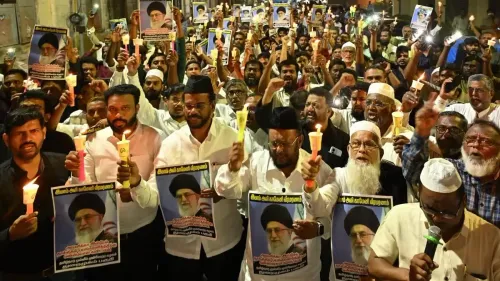
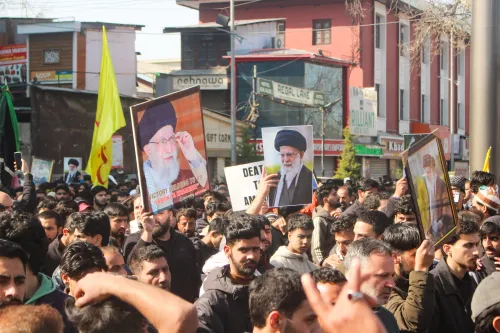
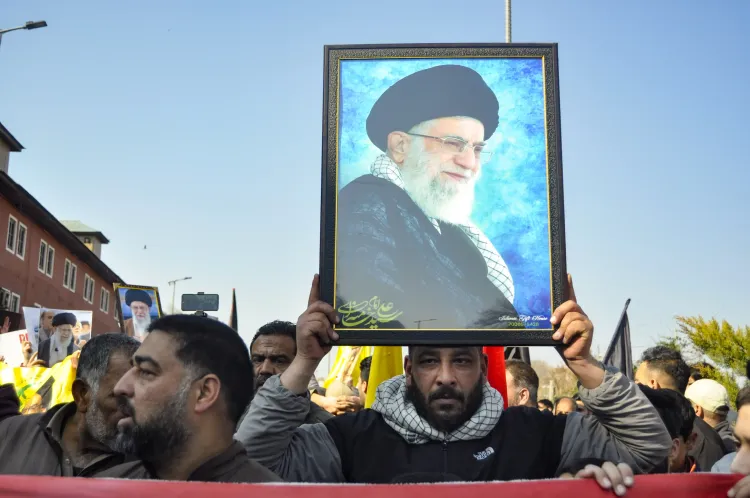
Authorities have reported that numerous prayer gatherings have emerged following the Ayatollah's passing, which are being closely monitored. So far, these gatherings have been peaceful; however, there is concern that radical pro-ISI elements could infiltrate these events to incite violence.
The Centre communicated this advisory to all states and union territories on February 28, warning that events in Iran and West Asia could have significant domestic repercussions.
The Central government cautioned that radical groups might engage in inflammatory rhetoric aimed at igniting communal discord.
Another official pointed out that states like West Bengal and Assam, which are gearing up for elections this year, should remain particularly vigilant, as both internal and external forces may seek to disrupt peace before the polls.
The Union Ministry of Home Affairs (MHA) has urged states to keep track of pro-Iran radical preachers who might deliver incendiary sermons that could escalate communal tensions.
The MHA has emphasized that Central Intelligence agencies are collaborating closely with state counterparts to thwart any potential incidents.
Additionally, the situation in West Asia is under scrutiny for its geopolitical implications. However, internal monitoring is also crucial, as there may be attempts to deliver sermons intended to provoke unrest.
This period is particularly sensitive, presenting an opportunity for radical groups to exacerbate communal divisions and disrupt India's social cohesion.
Agencies are maintaining vigilance over known individuals and closely tracking their communications.
There is a significant risk of foreign meddling, with elements in Pakistan likely to seek to activate their radical factions to provoke violence within India, the official stated.
In the meantime, Prime Minister Modi held a phone call with Israeli Prime Minister Benjamin Netanyahu to discuss the regional situation.
PM Modi also called for a prompt end to hostilities and emphasized that civilian safety should be a priority. He convened a Cabinet Committee on Security (CCS) meeting to assess the evolving situation in West Asia, receiving updates on the airstrikes on Iran that occurred on February 28.
The CCS also evaluated the challenges faced by Indian travelers transiting through the region, with the PM instructing relevant departments to implement necessary measures to support Indian nationals affected by the ongoing developments.
Point of View
The situation requires a balanced approach, emphasizing the need for vigilance while maintaining communal harmony. The government's proactive measures reflect a commitment to safeguarding national security and ensuring public safety.
NationPress
19 Sept 2026
Frequently Asked Questions
What prompted the Indian government's advisory?
The advisory was prompted by an Intelligence warning indicating that radical pro-Iran elements might exploit the ongoing crisis to incite violence in India.
What actions is the government taking to monitor radical preachers?
The government has instructed states to monitor pro-Iran radical preachers delivering inflammatory sermons that could lead to communal unrest.
How is the situation in West Asia affecting India?
The developments in West Asia, particularly the crisis in Iran, are causing concern in India due to potential ripple effects on domestic peace and stability.
What did Prime Minister Modi emphasize regarding the crisis?
PM Modi emphasized the importance of civilian safety and called for an early cessation of hostilities in the region.
Which states are particularly advised to be cautious?
The states of West Bengal and Assam are advised to exercise utmost caution, especially with elections approaching.