India's West Asia crisis response: Key steps to guard economic stability
Synopsis
With crude oil import bills swelling and shipping lanes disrupted by the West Asia crisis, India has deployed a coordinated response spanning customs relief, export backstops, liquidity support, and energy diversification. The crude basket has already retreated from $114.5 to $77.6 per barrel — but the government is signalling that its guard stays up.
Key Takeaways
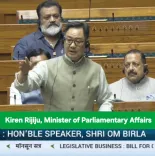
Minister of State for Finance Pankaj Chaudhary detailed India's West Asia crisis response in a written reply to the Lok Sabha on 27 July 2026 .
Measures include temporary customs duty exemption on petrochemical feedstock, restoration of RoDTEP benefits, and the Bharat Maritime Insurance Pool RELIEF Scheme .
The average Indian crude oil basket price fell from $114.5 per barrel in April 2026 to $77.6 per barrel by 22 July 2026.
CPI inflation averaged 3.9% during April–June 2026; the RBI projects GDP growth at 6.6% and CPI at 5.1% for 2026–27.
The Economic Stabilisation Fund has been cited as a fiscal buffer to absorb further external shocks.
The Centre is expanding its FTA and CEPA network to strengthen long-term trade resilience.
The Indian government has rolled out a multi-pronged package of fiscal, trade, and energy measures to shield the domestic economy from supply chain disruptions triggered by the West Asia crisis, Minister of State for Finance Pankaj Chaudhary told the Lok Sabha in a written reply on Monday, 27 July 2026. The measures span customs duty relief, export support, liquidity infusion, and energy diversification — reflecting the breadth of the challenge facing a major crude-oil-importing economy.
Trade and Export Support Measures
Among the most immediate steps, the Centre extended a temporary customs duty exemption on selected petrochemical feedstock to ease input cost pressures on domestic industry. Exporters received targeted support through the restoration of RoDTEP (Remission of Duties and Taxes on Exported Products) benefits, designed to offset the surge in freight, insurance, and war-risk costs that have accompanied the regional conflict.
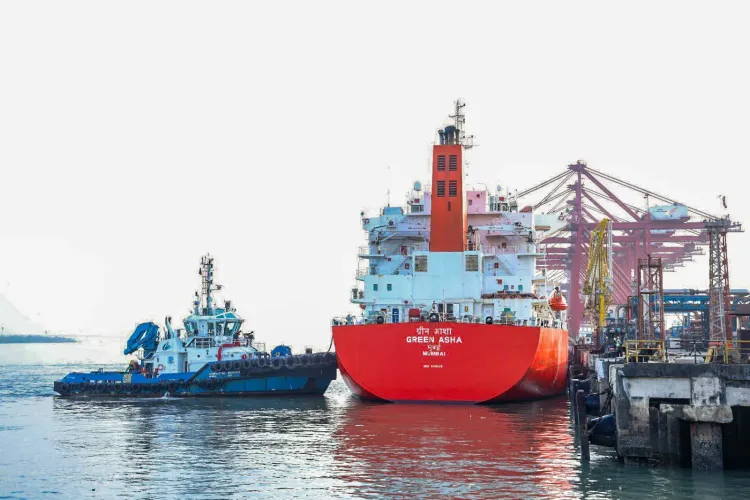
The government also launched the Bharat Maritime Insurance Pool RELIEF (Resilience and Logistics Intervention for Export Facilitation) Scheme to backstop businesses navigating volatile shipping lanes. Liquidity support was extended via Emergency Credit Line Guarantee Scheme (ECLGS) 5.0, providing a financial cushion to firms squeezed by higher input and logistics costs.
Energy Security and Diversification
On the energy front, the Centre has pursued diversification of crude oil import sources, expanded strategic partnerships, and augmented Strategic Petroleum Reserves. Promotion of alternative fuels, domestic production of critical energy inputs, and the implementation of the Coal and Lignite Gasification Scheme form part of a longer-term supply resilience strategy.
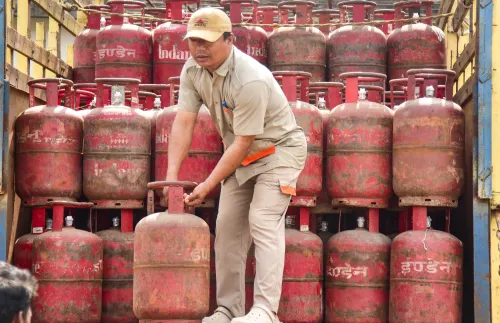
Demand-side measures have also been activated — notably, encouraging LPG consumers to shift to PNG (Piped Natural Gas) to optimise energy consumption patterns. Fertiliser availability has been secured through assured gas supplies, diversification of import sources, advance procurement, and maintenance of buffer stocks, protecting the agricultural supply chain from geopolitical spillover.
Macroeconomic Indicators Remain Steady
Despite the external headwinds, India's macroeconomic readings have held up. The average Indian crude oil basket price has eased significantly — from $114.5 per barrel in April 2026 to $77.6 per barrel in July 2026 (up to 22 July). According to Chaudhary, the decline in crude prices, combined with sustained growth in services exports and remittance receipts, is expected to support the external sector and ease current account pressures.
Average Consumer Price Index (CPI) inflation remained moderate at 3.9% during April–June 2026. The Reserve Bank of India (RBI) has projected real GDP growth at 6.6% and CPI inflation at 5.1% for 2026–27. High-frequency indicators for the first quarter of 2026–27 point to sustained momentum in economic activity and domestic demand.
Fiscal Strategy and Buffers
The government has adopted what it describes as a 'balanced fiscal strategy', including calibrated revisions in the Special Additional Excise Duty on petrol and diesel, and customs duty adjustments on select imports. The availability of the Economic Stabilisation Fund provides additional flexibility, the minister noted, to respond to external shocks without abandoning the fiscal consolidation path.
The Centre is also strengthening trade resilience through an expanding network of Free Trade Agreements (FTAs) and Comprehensive Economic Partnership Agreements (CEPAs). The RBI has flagged that prolonged global commodity price movements and supply chain disruptions remain challenges to the growth and inflation outlook — signalling that the government's crisis management posture is unlikely to be wound down soon.
Point of View
But the real test is sequencing: customs exemptions and ECLGS support are reactive band-aids, while FTA expansion and energy diversification are structural plays that take years to yield results. The crude basket retreat from $114.5 to $77.6 per barrel has bought fiscal breathing room, but it is a market gift, not a policy achievement. More telling is what the RBI's own caveat reveals — that prolonged supply chain disruptions remain a live threat to both growth and inflation — suggesting the government's optimistic 6.6% GDP projection carries non-trivial downside risk that the Parliament statement did not dwell on.
NationPress
27 Jul 2026
Frequently Asked Questions
What measures has India taken in response to the West Asia crisis?
India has introduced a package including temporary customs duty exemptions on petrochemical feedstock, restoration of RoDTEP export benefits, the Bharat Maritime Insurance Pool RELIEF Scheme, and liquidity support under ECLGS 5.0. Energy diversification, expansion of Strategic Petroleum Reserves, and broader FTA negotiations are also part of the response, as detailed by Minister of State for Finance Pankaj Chaudhary in Parliament on 27 July 2026.
How has the West Asia crisis affected India's crude oil import bill?
The conflict drove up international crude oil prices, widening India's import bill. However, the average Indian crude oil basket price has since eased from $114.5 per barrel in April 2026 to $77.6 per barrel by 22 July 2026, providing some relief to the external account.
What is India's GDP growth projection for 2026–27 amid global uncertainty?
The Reserve Bank of India has projected real GDP growth at 6.6% for 2026–27. The RBI has also projected CPI inflation at 5.1% for the same year, while noting that global commodity price movements and prolonged supply chain disruptions pose risks to the outlook.
What is the Bharat Maritime Insurance Pool RELIEF Scheme?
The Bharat Maritime Insurance Pool RELIEF — Resilience and Logistics Intervention for Export Facilitation — Scheme is a government initiative introduced to support businesses affected by higher shipping costs and war-risk premiums arising from the West Asia crisis. It aims to stabilise maritime insurance availability for Indian exporters.
What fiscal buffers does India have to handle external shocks?
The government cited the Economic Stabilisation Fund as a key fiscal buffer, providing flexibility to respond to external shocks without abandoning the fiscal consolidation path. Calibrated revisions in the Special Additional Excise Duty on petrol and diesel have also been used to manage fiscal space.