India shielded consumers from West Asia oil shock while others rationed fuel
Synopsis
While Sri Lanka rationed petrol, Pakistan shut schools, and the EU spent nine billion euros on relief, India kept household cylinders flowing and pump queues moving — absorbing the West Asia oil shock at the State level with the smallest price rise of any major economy. The Petroleum Ministry calls it a decade of energy-security investment paying off in real time.
Key Takeaways
The US-Iran war began on 28 February , triggering a global oil and gas price surge that forced emergency measures across dozens of economies.
India absorbed costs at the State and public sector level, recording the smallest pump-price increase among major economies, according to the Petroleum Ministry .
Sri Lanka reintroduced petrol rationing; Pakistan closed schools; EU members spent over nine billion euros on fuel relief by mid-April .
India's only restrictions were on commercial and bulk LPG and exports of diesel and aviation fuel — lifted by 25 June .
The IEA launched its largest-ever coordinated reserve release, equivalent to roughly four days of global demand.
The ministry attributed India's resilience to a decade of energy-security investment and strategic autonomy.
As the West Asia crisis sent global oil and gas prices surging following the outbreak of the US-Iran war on 28 February, India took a path no comparable economy chose: absorbing the cost at the level of the State and public sector oil marketing companies rather than passing it on to households, according to the Petroleum Ministry. The country declared no emergency, imposed no rationing, and recorded the smallest pump-price increase of any major economy.
How Other Economies Responded
The contrast was sharpest among import-dependent nations that slid from price pressure into physical shortage. Sri Lanka, still recovering from its 2022 economic collapse, reintroduced mandatory petrol rationing within a fortnight of the crisis and shifted the public sector to a four-day working week, with its fuel registration portal crashing under the weight of millions of simultaneous sign-ups.
Pakistan closed schools, shortened its working week, and hosted cricket matches behind closed doors to curb traffic and fuel consumption. Myanmar introduced odd-even driving restrictions combined with QR-code rationing, Bangladesh deployed troops at oil depots, and Ethiopia routed fuel exclusively to security forces and essential industries, suspending distribution altogether in the Tigray region.
Wealthier Importers Also Felt the Strain
Even economically stronger importers were not insulated. Japan drew down its strategic petroleum reserves and subsidised pump prices. South Korea capped fuel prices for the first time in thirty years. Across the European Union, 22 of its 27 members had collectively spent over nine billion euros on consumer relief by mid-April, with Germany cutting fuel taxes and Hungary releasing reserves that were subsequently reported to be running low.
Where markets were left to self-correct, the price rises were steep: diesel climbed roughly 80 per cent in New Zealand, petrol rose by approximately a fifth in the United Kingdom, and fuel in California crossed five dollars a gallon. Even oil-exporting nations were not spared at the pump — the United Arab Emirates saw diesel prices rise about 85 per cent, while Nigeria's citizens faced higher transport costs despite a windfall for its exporters. The International Energy Agency (IEA) executed its largest-ever coordinated reserve release — equivalent to roughly four days of global demand — underscoring how grave the supply position was judged to be.
What India Did Differently
'India did none of this. It declared no emergency, rationed no household, shortened no working week, closed no school and ordered no driving ban. The only curbs it applied were on commercial and bulk LPG and on the export of diesel and aviation fuel, and these were to protect the domestic household, allocation rather than rationing,' the Petroleum Ministry stated.
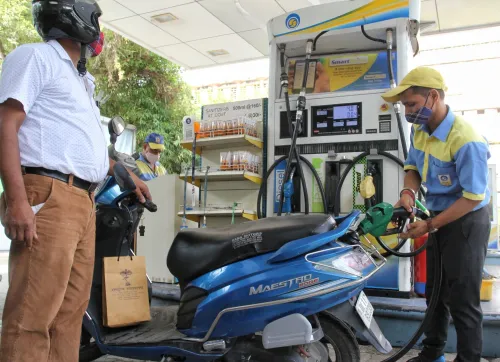
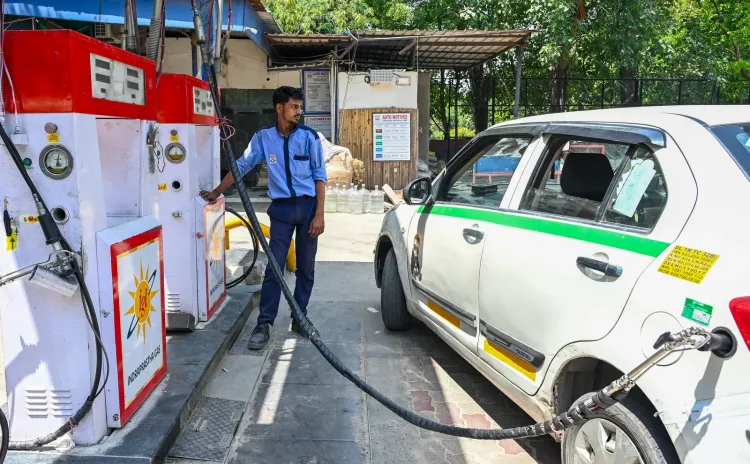
After an initial scare on cooking gas supply, the household cylinder continued to reach consumers without interruption. Retail fuel pumps remained open throughout the crisis, and the rise at the pump was the smallest recorded among any major economy, according to the ministry.
India Among First to Ease Restrictions
India was also among the first economies to unwind its crisis-era measures. The restrictions on commercial and bulk LPG were lifted by 25 June. The ministry attributed this outcome to a decade of energy-security investment and what it described as 'strategic autonomy in practice.' Notably, this episode marks one of the most direct tests of India's long-running push to diversify its energy supply and build strategic reserves — and, by the government's own account, that investment paid off for ordinary consumers.
Point of View
But it deserves scrutiny on two counts. First, 'absorbing the cost at the State level' means the burden fell on public sector oil marketing companies and the exchequer — a cost that will eventually surface in balance sheets, subsidy bills, or deferred capital expenditure. Second, the claim of 'smallest price rise among major economies' is attributed solely to the Petroleum Ministry without independent verification. India's energy-security investments are real, but the full fiscal reckoning of this episode has not yet been presented to Parliament or the public.
NationPress
27 Sept 2026
Frequently Asked Questions
How did India respond to the West Asia oil crisis triggered by the US-Iran war?
India chose to absorb the cost of rising global oil prices at the State and public sector level rather than passing it on to households, according to the Petroleum Ministry. The country imposed no rationing, declared no emergency, and recorded the smallest pump-price increase among major economies.
Which countries were worst affected by the West Asia oil shock?
Import-dependent economies faced the sharpest disruptions. Sri Lanka reintroduced petrol rationing and moved to a four-day working week; Pakistan closed schools and shortened working hours; Myanmar, Bangladesh, and Ethiopia imposed various forms of fuel allocation or deployment restrictions.
What limited measures did India impose during the crisis?
India restricted commercial and bulk LPG supplies and halted exports of diesel and aviation fuel. These were described by the Petroleum Ministry as allocation measures to protect domestic household supply, not rationing. Both sets of restrictions were lifted by 25 June.
What did the IEA do in response to the global oil supply crunch?
The International Energy Agency (IEA) executed its largest-ever coordinated strategic reserve release, equivalent to approximately four days of global demand, to ease the supply shortfall triggered by the West Asia crisis.
Why was India able to avoid fuel rationing when others could not?
The Petroleum Ministry attributed India's resilience to a decade of energy-security investment and strategic autonomy, which allowed the State to absorb price shocks without disrupting household supply. Independent verification of this assessment has not yet been published.