India's energy crisis response amid West Asia war 'extraordinary': Amitabh Kant
Synopsis
With India importing 86% of its crude and 60% of its LPG, the West Asia conflict was a direct threat to millions of households. Former G20 Sherpa Amitabh Kant argues the government's multi-front response — excise cuts, an LPG control order, and 27 new supplier countries — kept consumers insulated in ways few other nations managed.
Key Takeaways
Former G20 Sherpa Amitabh Kant described India's energy crisis management during the West Asia conflict as 'extraordinary'.
The government cut excise duty by ₹10 on petrol and to nil on diesel to absorb the global price spike.
Ujjwala scheme beneficiaries continued to receive LPG at ₹642 per cylinder against a production cost of ₹1,600 — a subsidy of nearly ₹900 .
India tapped 27 new crude supplier countries , widening its import base significantly.
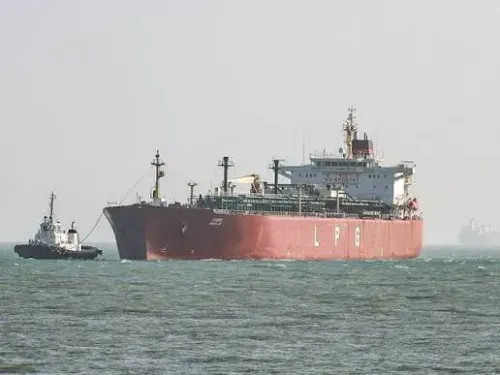
12 Indian vessels navigated the Strait of Hormuz to secure crude supplies amid regional tensions.
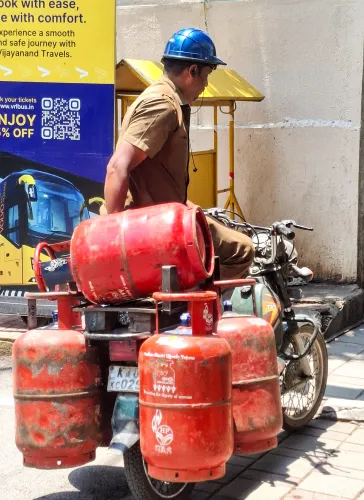
An LPG control order pushed domestic refineries — including those that had never produced LPG — to ramp up output.
India's former G20 Sherpa and former NITI Aayog CEO Amitabh Kant has praised the Indian government's handling of the global energy crisis triggered by the West Asia conflict, calling it 'extraordinary' and crediting a combination of supply diversification, excise cuts, and policy interventions for shielding domestic consumers from the worst of the global price surge.
Key Measures That Made the Difference
Kant highlighted the government's decision to slash excise duty — by ₹10 on petrol and to nil on diesel — as a central pillar of the response. This move, he argued, directly absorbed the global price shock before it could reach the pump. 'In India, no customer has been impacted. That, to my mind, is great work,' Kant said in an interview.
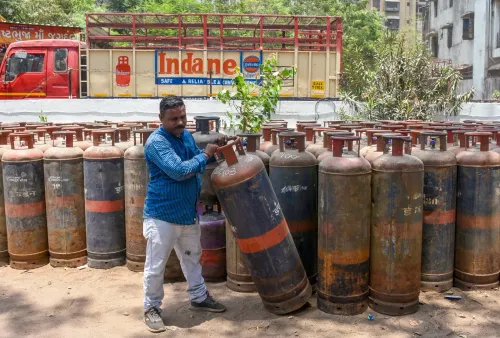
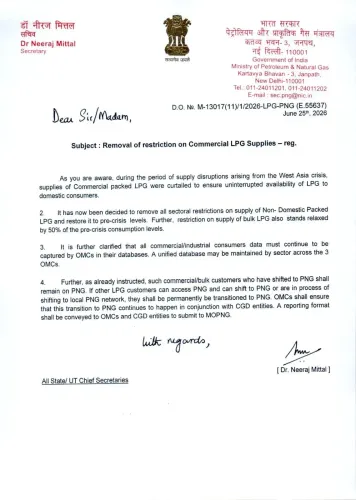
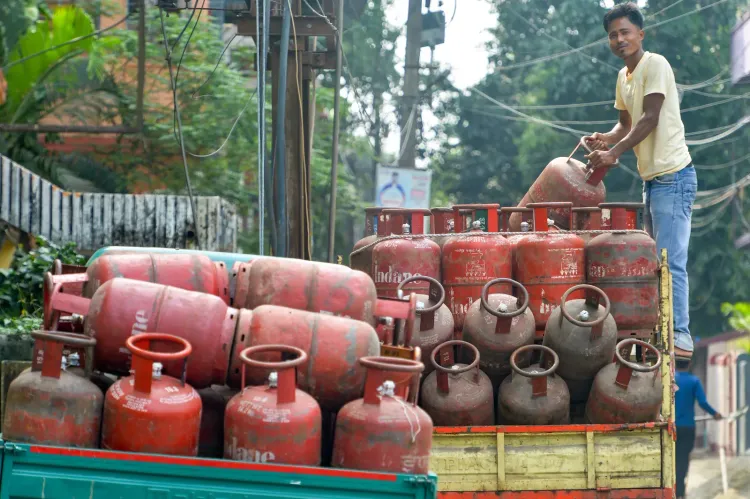
Equally significant, according to Kant, was the issuance of the LPG control order, which directed refineries that had never previously produced LPG to switch over to its production. The result was a substantial increase in domestic LPG output — a critical intervention given that India imports roughly 60 per cent of its LPG requirements.
Supply Chain Diversification and Diplomacy
India imports approximately 86 per cent of its crude oil, making it acutely vulnerable to supply disruptions. To counter this, the government tapped 27 new supplier countries, significantly widening the import base. Kant also noted that 12 Indian vessels were able to navigate the Strait of Hormuz to bring crude back to India — a logistical and diplomatic achievement given the heightened tensions in the region.
'It was like addressing the crisis with great vision and great fortitude. During this period of crisis, much like the Covid period, all ministries worked together,' Kant said, drawing a parallel to the coordinated government response seen during the pandemic.
Protecting Vulnerable Consumers
Kant pointed to the continued availability of subsidised LPG for Ujjwala scheme beneficiaries as a standout achievement. Despite a production cost of ₹1,600 per cylinder, the government ensured these customers paid just ₹642 — an effective subsidy of nearly ₹900 per cylinder. This came at a time when global LPG prices had spiked sharply due to the conflict.
Notably, the government also ensured there was no black marketing of fuels — a concern that had emerged in several other countries facing similar supply pressures.
On Future Price Cuts
When asked whether petrol and diesel prices should now be reduced, Kant was measured in his response. 'I think that things are stabilising. It's too early to say... The geopolitical tensions are still there. Hopefully, the prices will come down, and India will benefit from this,' he said.
He added that any price reduction would benefit not just Indian consumers but also the broader Global South and emerging markets, and that the government would act in the interest of citizens 'in due course.' With geopolitical conditions in West Asia still fluid, the timeline for any such relief remains uncertain.
Point of View
But the full picture demands scrutiny. Excise cuts and LPG subsidies are fiscally expensive tools — and the bill ultimately lands on public finances. The diversification to 27 new crude suppliers is a genuine structural achievement, but India's 86% import dependence remains unchanged. What the crisis revealed is less a solved problem and more a managed one: India coped better than most, but the underlying vulnerability to external supply shocks is structurally intact. The real test will be whether the supply chain diversification and the LPG production ramp-up outlast the crisis that prompted them.
NationPress
29 Jun 2026
Frequently Asked Questions
What did Amitabh Kant say about India's energy crisis response?
Amitabh Kant, India's former G20 Sherpa and former NITI Aayog CEO, called the government's handling of the energy crisis triggered by the West Asia conflict 'extraordinary'. He credited excise duty cuts, LPG subsidies, supply diversification, and inter-ministerial coordination for shielding Indian consumers from global price spikes.
How did India protect consumers from rising fuel prices during the West Asia conflict?
The government cut excise duty by ₹10 on petrol and reduced it to nil on diesel, directly limiting price pass-through to consumers. It also issued an LPG control order to boost domestic production and maintained subsidised LPG at ₹642 per cylinder for Ujjwala scheme beneficiaries, against a production cost of ₹1,600.
How did India diversify its crude oil supply during the crisis?
India added 27 new crude supplier countries to its import base, significantly reducing dependence on any single source. Additionally, 12 Indian vessels navigated the Strait of Hormuz to bring crude back to India, which Kant described as a feat of both logistics and diplomacy.
Will petrol and diesel prices be reduced now that the crisis is stabilising?
Kant said it is 'too early to say', noting that geopolitical tensions in West Asia persist. He indicated the government would act in the interest of consumers 'in due course', but gave no specific timeline for a price reduction.
Why is India particularly vulnerable to energy crises?
India imports approximately 86% of its crude oil and around 60% of its LPG, making it heavily exposed to global supply disruptions and price volatility. The West Asia conflict directly threatened these supply lines, making the government's diversification efforts especially critical.