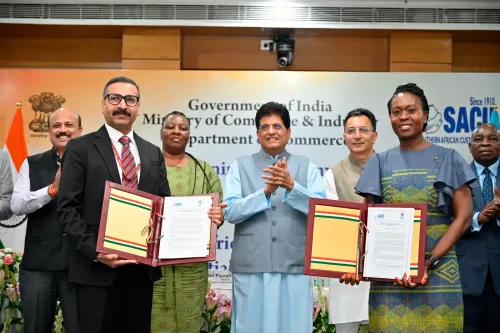
Goyal backs India-SACU Preferential Trade Agreement
Synopsis
Union Commerce Minister Piyush Goyal on 12 August 2026 signalled India's push for a Preferential Trade Agreement with the Southern African Customs Union — a five-nation bloc spanning South Africa, Botswana, Lesotho, Namibia and Eswatini — to open new export corridors and deepen south-south trade ties.
Key Takeaways
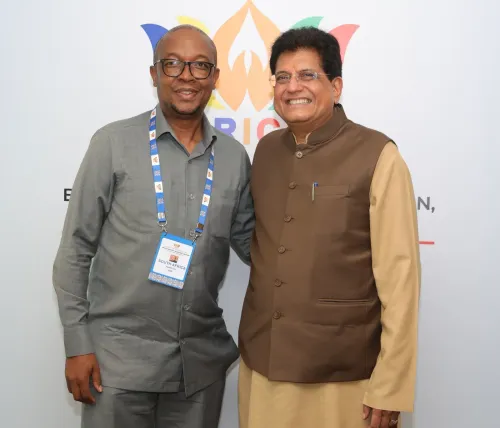
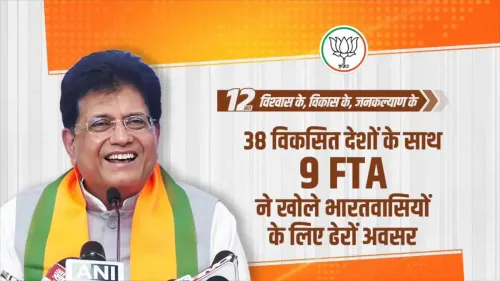
Union Commerce and Industry Minister Piyush Goyal publicly backed an India- SACU Preferential Trade Agreement on 12 August 2026 .
SACU comprises five southern African nations — South Africa, Botswana, Lesotho, Namibia and Eswatini — operating under a single common external tariff since 1910 .
A PTA would grant India preferential tariff access across all five SACU markets through a single negotiated agreement.
The move aligns with India's broader policy of diversifying export destinations via preferential trade arrangements with African regional groupings.
Key sectors with existing India-SACU trade links include textiles, pharmaceuticals, machinery and agricultural commodities.
Formal negotiating timelines and scope remain to be announced by the Ministry of Commerce and Industry.
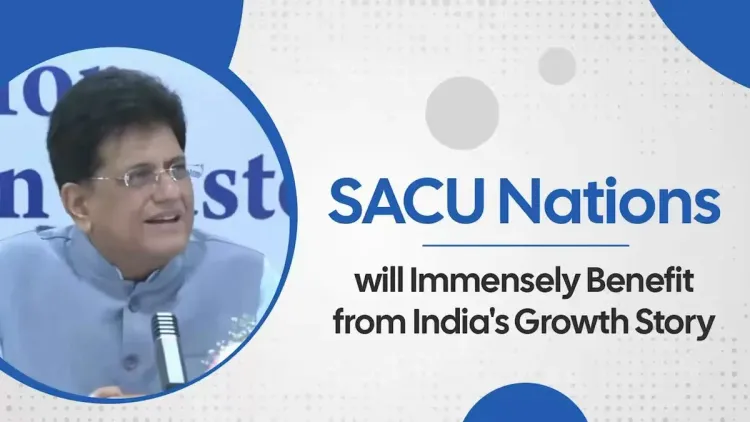
A trade bridge stretching from South Asia to the southern tip of Africa moved a step closer to reality on Wednesday, 12 August 2026, when Union Commerce and Industry Minister Piyush Goyal publicly backed a Preferential Trade Agreement between India and the Southern African Customs Union (SACU), calling it a vehicle to 'further strengthen our ties.'
What SACU brings to the table
SACU — the world's oldest customs union, founded in 1910 — binds together five southern African economies: South Africa, Botswana, Lesotho, Namibia and Eswatini. The bloc operates a common external tariff, which means a single PTA with SACU effectively unlocks preferential access across all five member markets in one stroke. For Indian exporters, that is a meaningful efficiency: one negotiation, five destinations.India's Africa trade push — and where SACU fits
India has steadily expanded its web of preferential trade arrangements with regional groupings across Africa and beyond, driven by a deliberate policy of diversifying export destinations away from a handful of traditional partners. SACU represents a strategically important node in that network — southern Africa's most industrialised and trade-integrated sub-region, with established commercial links to India spanning textiles, pharmaceuticals, machinery and agricultural commodities. A PTA, by design, is a lighter-touch instrument than a full free-trade agreement: it carves out preferential tariff rates on a negotiated basket of goods rather than liberalising trade wholesale. That makes it faster to conclude and politically easier to sell domestically on both sides — a practical consideration when negotiating across two large and diverse economic blocs.The Ministry's role and what to watch next
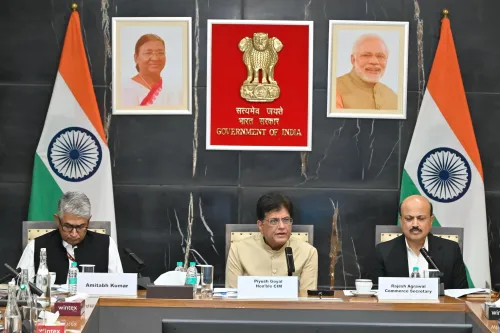
As the minister responsible for India's foreign trade policy and all bilateral and multilateral negotiations, Goyal's public endorsement signals that the Ministry of Commerce and Industry views the India-SACU PTA as a live priority. The key milestones to watch are any formal resumption of negotiating rounds and an eventual announcement from the ministry on the scope and timeline of a concluded agreement. If a deal lands, Indian exporters gain preferential entry into a bloc that anchors southern African supply chains. SACU businesses, in turn, gain structured access to one of the world's fastest-growing consumer and manufacturing markets. The geometry of south-south trade — already reshaping global commerce — gets one more deliberate line drawn across it.Point of View
Not an aspirational talking point. Whether the momentum translates into a concluded agreement will test India's capacity to move from strategic intent to treaty text at pace.
NationPress
13 Aug 2026
Frequently Asked Questions
What is the India-SACU Preferential Trade Agreement?
It is a proposed trade deal between India and the Southern African Customs Union — comprising South Africa, Botswana, Lesotho, Namibia and Eswatini — that would grant preferential (reduced) tariff rates on a negotiated basket of goods traded between the two sides.
Which countries are members of SACU?
SACU has five members: South Africa, Botswana, Lesotho, Namibia and Eswatini. Founded in 1910, it is the world's oldest customs union and operates a common external tariff across all member states.
What did Piyush Goyal say about the India-SACU PTA?
On 12 August 2026, Union Commerce and Industry Minister Piyush Goyal stated that a Preferential Trade Agreement between India and the SACU nations 'will further strengthen our ties.'
How is a Preferential Trade Agreement different from a Free Trade Agreement?
A PTA offers reduced tariffs on a selected list of goods rather than liberalising all trade. It is narrower in scope than an FTA, making it quicker to negotiate and politically easier to ratify on both sides.
Why is India pursuing trade agreements with African regional blocs?
India's trade policy prioritises diversifying export destinations beyond traditional partners. Africa's regional groupings — including SACU — represent growing markets for Indian goods such as pharmaceuticals, textiles and machinery, and PTAs are the preferred instrument for securing preferential access efficiently.