Goyal: India-SACU Preferential Trade Agreement ToR Signed
Synopsis
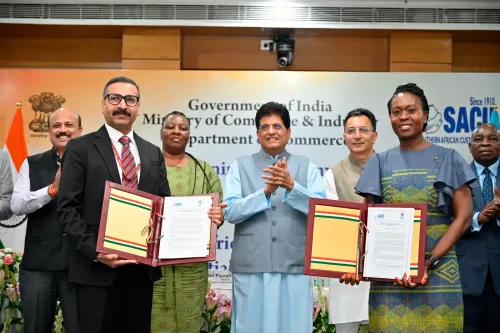
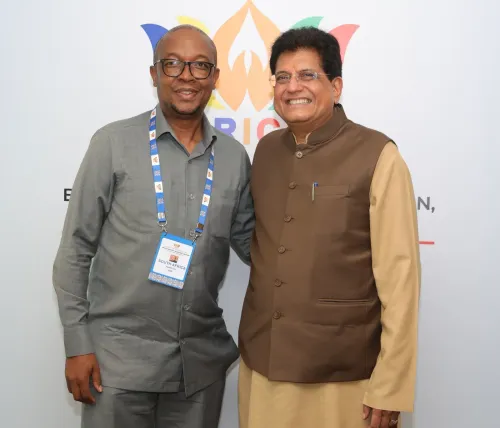
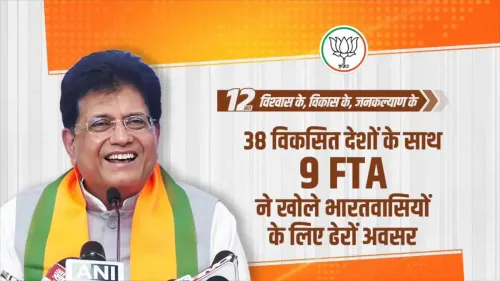
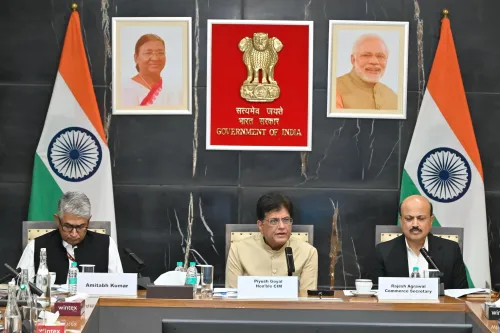
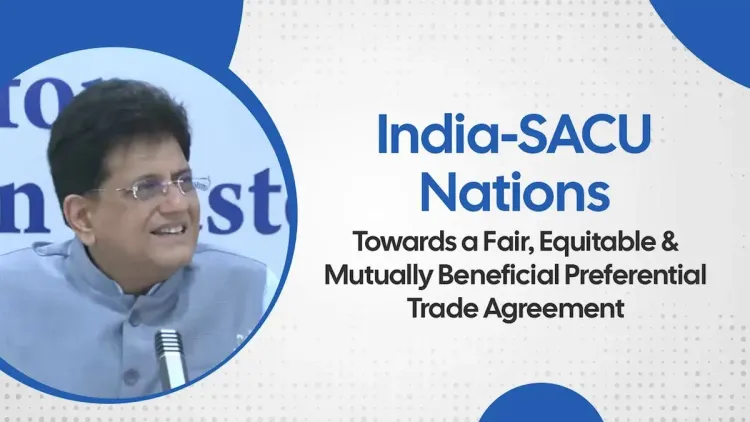
India and the Southern African Customs Union have signed the Terms of Reference for a Preferential Trade Agreement, Commerce Minister Piyush Goyal announced on 12 August 2026, formally launching negotiations that were first initiated in 2007 and could open preferential market access across five African nations.
Key Takeaways
Commerce Minister Piyush Goyal announced the signing of the Terms of Reference (ToR) for an India-SACU Preferential Trade Agreement on 12 August 2026 .
SACU — the world's oldest customs union — comprises South Africa, Botswana, Lesotho, Namibia and Eswatini .
India and SACU first launched PTA negotiations in 2007 ; the ToR signing formally restarts and frames those talks after nearly two decades.
The ToR defines the scope, structure, and ground rules for formal negotiating rounds — it is the precursor to an actual agreement.
Indian exporters in pharmaceuticals, textiles, and engineering goods are among the primary stakeholders watching the negotiations unfold.
The PTA aligns with India's broader strategy of deepening South-South trade and reducing dependence on European and North American markets.
After nearly two decades of stop-start diplomacy, India and the Southern African Customs Union (SACU) have taken a concrete step forward — Union Commerce and Industry Minister Piyush Goyal announced on Wednesday, 12 August 2026 that both sides have signed the Terms of Reference (ToR) for a Preferential Trade Agreement (PTA), formally setting the rules of engagement for negotiations that could reshape India's trade footprint on the African continent.
From 2007 to 2026: A Long Road to the Table
India and SACU — the world's oldest customs union, comprising South Africa, Botswana, Lesotho, Namibia and Eswatini — first launched formal PTA negotiations back in 2007, following a joint feasibility study. The ToR signing in 2026 marks the official framing of what those negotiations will cover: which goods qualify for tariff concessions, how rules of origin will be defined, and the timelines both sides commit to. It is the blueprint before the building begins.
Minister Goyal called it 'an important chapter in our economic ties' — measured language, but significant given how long the chapter took to open.
Why SACU, and Why Now
SACU is not a peripheral partner. As a bloc, it anchors South Africa — Africa's most industrialised economy — alongside four smaller but strategically positioned neighbours. A PTA with SACU would give Indian exporters preferential access to a combined market and, crucially, to South Africa's ports and logistics corridors that serve the broader sub-Saharan region.
India's broader trade strategy has leaned heavily into South-South diversification — reducing reliance on Europe and North America by deepening ties with Africa, Latin America, and Southeast Asia. The SACU PTA fits squarely into that arc, and the ToR signing signals that New Delhi is willing to invest political capital to move it forward.
What the ToR Unlocks
A Terms of Reference document is the starting gun, not the finish line. It defines the scope, structure, and ground rules for formal negotiating rounds. Indian exporters — particularly in pharmaceuticals, textiles, engineering goods and automobiles — stand to gain preferential entry into SACU markets, while SACU manufacturers, especially in mining equipment and primary commodities, could see easier access to India's vast consumer base.
The next milestones to watch: the launch of the first formal negotiating round, progress reports at future India-Africa Forum summits, and whether the two sides can move from ToR to a draft agreement within a defined window.
Two decades in the making, the ToR is finally signed — now the harder work of turning goodwill into tariff schedules begins.
Point of View
But its political significance lies in what it signals: that India is serious about converting its Africa rhetoric into binding trade architecture. For the Modi government, a PTA with SACU would be a tangible deliverable in its South-South diversification playbook — especially as India seeks to reduce exposure to Western market volatility. The 19-year gap between the 2007 launch and the 2026 ToR also raises a pointed question about negotiating bandwidth and political will on both sides. Whether this moment translates into a concluded agreement, or becomes another chapter in a slow-moving file, will depend on how quickly the two sides can move from framework to first negotiating round.
NationPress
27 Sept 2026
Frequently Asked Questions
What is the India-SACU Preferential Trade Agreement?
It is a proposed tariff-reduction pact between India and the five-nation Southern African Customs Union (SACU) — comprising South Africa, Botswana, Lesotho, Namibia and Eswatini — aimed at giving each side preferential access to the other's markets for goods.
What are Terms of Reference in a trade agreement?
Terms of Reference (ToR) are a formal document that sets out the scope, structure, objectives, and ground rules for trade negotiations. Signing the ToR means both sides have agreed on how the talks will proceed, not that a deal has been concluded.
When did India first start PTA talks with SACU?
India and SACU launched formal PTA negotiations in 2007 following a joint feasibility study, making the 2026 ToR signing a milestone nearly two decades in the making.
What is SACU and which countries are members?
The Southern African Customs Union (SACU) is the world's oldest customs union, founded in 1910. Its five members are South Africa, Botswana, Lesotho, Namibia, and Eswatini.
Which Indian industries would benefit from an India-SACU trade deal?
Indian exporters in pharmaceuticals, textiles, engineering goods, and automobiles are among the key sectors expected to benefit from preferential market access into SACU nations under a concluded PTA.