Piyush Goyal backs Mumbai pond rejuvenation drive
Synopsis
Union Minister Piyush Goyal has backed the rejuvenation of ponds in Mumbai, framing it as a step toward a sustainable urban future. The initiative aligns with national programmes like AMRUT and Jal Shakti Abhiyan that promote restoration of traditional water bodies in Indian cities.
Key Takeaways
Union Minister Piyush Goyal publicly endorsed pond rejuvenation efforts in Mumbai on June 7, 2026 .
He described the initiative as an effort to create a 'better and sustainable future.' The work aligns with the Atal Mission for Rejuvenation and Urban Transformation (AMRUT) , launched in 2015 , which funds urban water-body restoration.
The Jal Shakti Abhiyan (2019) further prioritised conservation of traditional water structures nationwide.
The Brihanmumbai Municipal Corporation (BMC) is the primary agency responsible for executing such projects in Mumbai.
Restored urban ponds contribute to groundwater recharge, flood buffering, and biodiversity in rapidly growing cities.
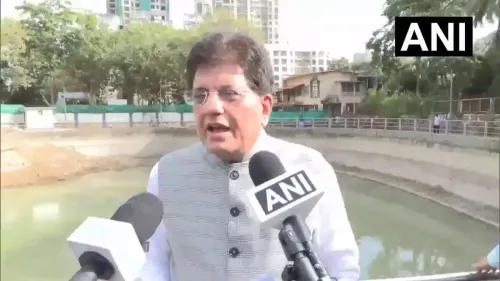
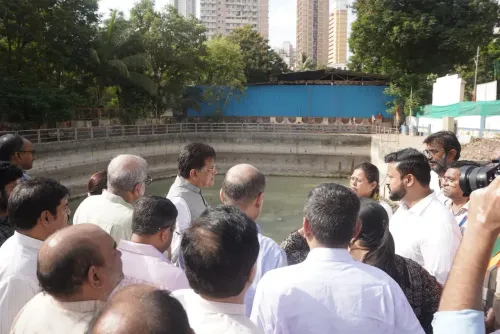
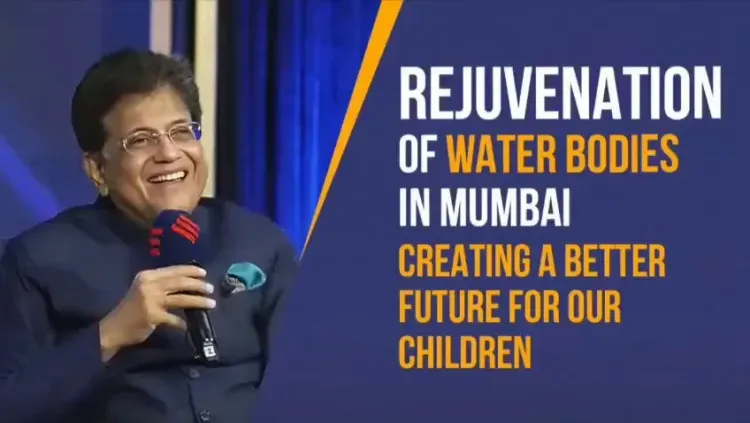
Union Commerce and Industry Minister Piyush Goyal on Sunday, June 7, 2026, voiced support for the rejuvenation of ponds in Mumbai, calling the initiative an effort to build a better and sustainable future for the city.
Context
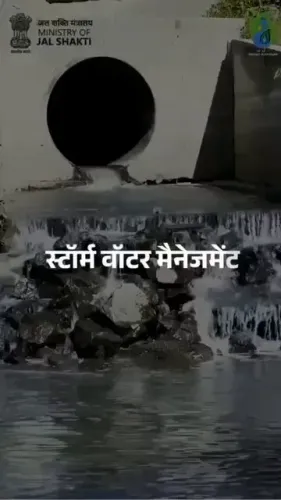
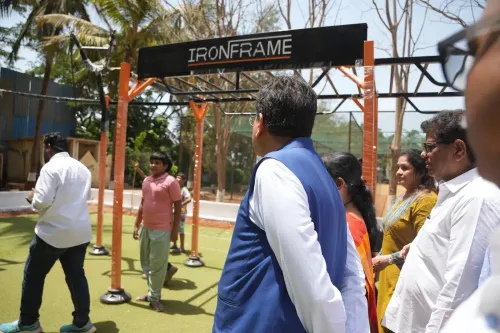
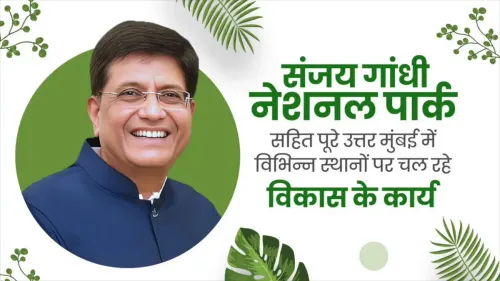
Goyal, who represents Mumbai North in Parliament and is a senior BJP leader, shared a video highlighting the pond restoration work under way in India's financial capital. His post described the effort as one aimed at creating a 'better and sustainable future,' signalling central-level attention to a locally driven environmental project.
Mumbai, administered by the Brihanmumbai Municipal Corporation (BMC), has long grappled with urban water stress, encroachment on natural water bodies, and flooding — challenges that make pond conservation both ecologically and practically significant.
Policy Backdrop
The push to restore urban water bodies has a clear lineage in national policy. The Atal Mission for Rejuvenation and Urban Transformation (AMRUT), launched in 2015, specifically empowers urban local bodies to restore lakes, ponds, and other traditional water structures. Its successor, AMRUT 2.0, has further expanded the scope of such work across major metros including Mumbai.
The Jal Shakti Abhiyan, rolled out in 2019, reinforced this agenda by making the conservation and recharge of traditional water structures a national campaign priority. Together, these programmes reflect a sustained policy commitment to reversing the degradation of urban water bodies as part of India's broader climate adaptation strategy.
Stakeholders and Impact
The primary beneficiaries of pond rejuvenation in Mumbai are its residents — particularly communities in peri-urban and low-lying areas that depend on natural water bodies for groundwater recharge, flood buffering, and local biodiversity. Restored ponds can also reduce the city's vulnerability to seasonal waterlogging, a recurring crisis during the monsoon.
Urban local bodies, including the BMC, bear operational responsibility for executing and maintaining such projects, often in coordination with state and central agencies. Goyal's public endorsement adds political visibility to what are typically municipal-level works, potentially accelerating funding and administrative attention.
What's Next
Attention will now turn to the rollout status of AMRUT 2.0 projects in Maharashtra and any forthcoming BMC budget allocations earmarked for water-body restoration. As Indian cities face mounting pressure from climate variability and rapid urbanisation, the model being pursued in Mumbai could inform similar drives in other metros. Goyal's post underscores that urban environmental infrastructure is increasingly framed not as a local civic matter but as a pillar of national sustainability policy.
Point of View
Signalling that urban sustainability has become a cross-portfolio political priority for the BJP ahead of civic and state electoral cycles. By amplifying a local BMC initiative, the Centre reinforces its role as a visible partner in urban environmental governance — a framing that has grown more prominent under AMRUT 2.0. The post also reflects a wider pattern of senior leaders using social media to claim credit for ground-level infrastructure work, blurring the line between central and municipal accountability. Whether the visibility translates into accelerated funding or policy action remains the key question.
NationPress
22 Oct 2026
Frequently Asked Questions
Why is Piyush Goyal talking about Mumbai ponds?
Piyush Goyal, who represents Mumbai North in Parliament, shared a video on June 7, 2026 to highlight pond rejuvenation work in the city, calling it an effort toward a sustainable future. As a senior BJP leader with roots in Mumbai, he frequently amplifies local civic and environmental initiatives.
What is the AMRUT scheme and how does it relate to Mumbai ponds?
AMRUT — the Atal Mission for Rejuvenation and Urban Transformation — was launched in 2015 to help urban local bodies restore water bodies including ponds and lakes. Its successor, AMRUT 2.0, continues this work and covers major cities like Mumbai under centre-state coordination.
Which agency is responsible for pond rejuvenation in Mumbai?
The Brihanmumbai Municipal Corporation (BMC) is the primary urban local body responsible for executing and maintaining pond and lake restoration projects in Mumbai, often with support from state and central government programmes.
What is the Jal Shakti Abhiyan?
The Jal Shakti Abhiyan is a nationwide water conservation campaign launched in 2019 that prioritises the conservation and recharge of traditional water structures such as ponds, check dams, and stepwells across India.
Why is pond rejuvenation important for Mumbai?
Mumbai faces recurring urban flooding, groundwater depletion, and loss of natural water bodies due to rapid urbanisation. Restoring ponds helps recharge groundwater, buffer monsoon flooding, and support local biodiversity, making it a key part of the city's climate adaptation strategy.