Goyal flags J&K cherry, plum export to UAE markets
Synopsis
Union Commerce Minister Piyush Goyal announced the first export consignment of premium Areko Cherries and Scentrose Plums from Shopian and Pulwama in Jammu and Kashmir to Abu Dhabi and Dubai, opening a new Gulf market corridor for J&K's horticulture sector.
Key Takeaways
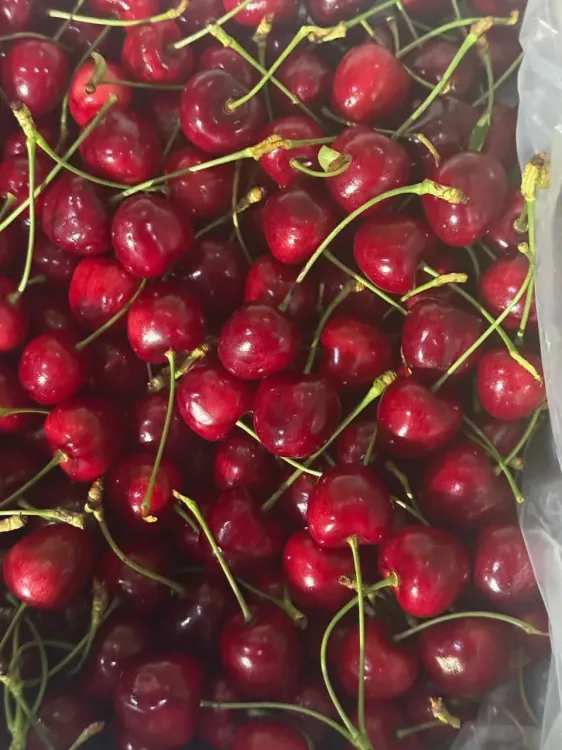
The first export consignment of Areko Cherries and Scentrose Plums from Jammu and Kashmir has been dispatched to Abu Dhabi and Dubai .
The shipment originates from Shopian and Pulwama , two of J&K's leading stone-fruit producing districts.
Commerce Minister Piyush Goyal described the development as a milestone for the global identity of Indian fruits.
India's Agricultural Export Policy 2018 designated fresh fruits a priority export sector, underpinning this push.
The UAE is a key Gulf trading partner for Indian agricultural produce, with established bilateral trade frameworks for perishables.
A successful export corridor could spur investment in cold-chain logistics and post-harvest infrastructure within the union territory.
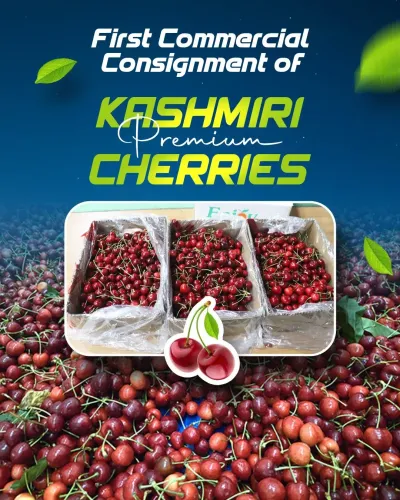
Union Commerce and Industry Minister Piyush Goyal on Saturday, 4 July 2026, announced the first export consignment of premium cherries and plums from Jammu and Kashmir to Abu Dhabi and Dubai, marking a new milestone for the union territory's horticulture sector in global markets.
Context
In his post, Goyal described the development as a 'new flight from the orchards of Jammu and Kashmir to global markets' — जम्मू-कश्मीर के बागों से वैश्विक बाजारों तक नई उड़ान. The first export shipment of Areko Cherries and Scentrose Plums from Shopian and Pulwama districts has been dispatched to the United Arab Emirates. The minister said the achievement would 'further strengthen the global identity of Indian fruits' while opening new opportunities for J&K's horticulture sector.
Shopian and Pulwama are two of Jammu and Kashmir's most productive stone-fruit districts, known for their temperate climate and high-quality cherry and plum orchards. Both districts have been the focus of central government efforts to build horticulture value chains following the reorganisation of the union territory in 2019.
Policy Backdrop
India's Agricultural Export Policy 2018 identified fresh fruits as a priority sector, with a stated goal of doubling agricultural exports and improving farmer incomes. Jammu and Kashmir's inclusion in national export promotion frameworks has been a recurring theme in subsequent policy interventions, with branding and market-linkage support extended to local growers.
The UAE is among India's most significant Gulf trading partners for agricultural produce, and bilateral trade facilitation frameworks have progressively eased the movement of perishables. The Gulf region's appetite for premium Indian fruit varieties has grown alongside a larger Indian diaspora and rising demand for fresh produce in the region's retail and hospitality sectors.
Stakeholders and Impact
The primary beneficiaries of this first export consignment are orchardists and fruit exporters in Shopian and Pulwama, who gain direct access to high-value Gulf markets. A successful export channel can translate into better farm-gate prices, reducing dependence on domestic wholesale markets where price volatility is common during peak harvest periods.
For the broader J&K horticulture sector, which also encompasses the globally recognised Kashmiri apple, this consignment signals that stone fruits — traditionally consumed domestically — can now command export premiums. Establishing a reliable supply corridor to Abu Dhabi and Dubai could encourage investment in cold-chain logistics and post-harvest handling infrastructure within the union territory.
What's Next
The immediate focus will be on whether this initial consignment leads to repeat orders and scaled-up shipments from other J&K districts during the remainder of the 2026 fruit season. Analysts tracking India's agricultural export trajectory will watch for any updates to protocols governing fresh fruit exports to the UAE, as well as potential expansion to other Gulf Cooperation Council markets such as Saudi Arabia and Qatar.
If the Shopian-Pulwama model proves commercially viable, it could serve as a template for other Indian horticulture clusters seeking to break into premium export markets — reinforcing New Delhi's broader ambition of positioning India as a reliable supplier of high-quality fresh produce to the world.
Point of View
The Commerce Ministry signals an intent to build brand equity for J&K produce rather than treat it as a commodity. This fits a broader pattern in which agricultural exports serve dual purposes: generating farmer income and projecting soft economic power. The real test will be whether the supply chain can sustain commercial volumes, a challenge that cold-chain deficits in the valley have historically complicated.
NationPress
4 Jul 2026
Frequently Asked Questions
Which fruits from Jammu and Kashmir have been exported to the UAE?
Areko Cherries and Scentrose Plums from Shopian and Pulwama districts of Jammu and Kashmir have been exported to Abu Dhabi and Dubai in the UAE.
Which districts of J&K are involved in this fruit export?
Shopian and Pulwama, both major stone-fruit producing districts in Jammu and Kashmir, are the source of this first export consignment.
Why is Piyush Goyal associated with this fruit export announcement?
Piyush Goyal is India's Union Minister of Commerce and Industry, responsible for overseeing trade policy and export promotion, and he announced the consignment on his official social media account.
What is India's Agricultural Export Policy and how does it relate to J&K fruits?
India's Agricultural Export Policy 2018 identified fresh fruits as a priority sector for export growth and improved farmer incomes; Jammu and Kashmir's horticulture sector has been included in subsequent export promotion efforts under this framework.
What is the significance of exporting J&K fruits to the UAE?
The UAE is a major Gulf trading partner for Indian agricultural produce, and establishing a direct export corridor for premium J&K stone fruits can yield higher farm-gate prices for local growers and strengthen India's reputation as a supplier of quality fresh produce.