Goyal: India's First Bullet Train Being Built at BEML Bengaluru

Synopsis
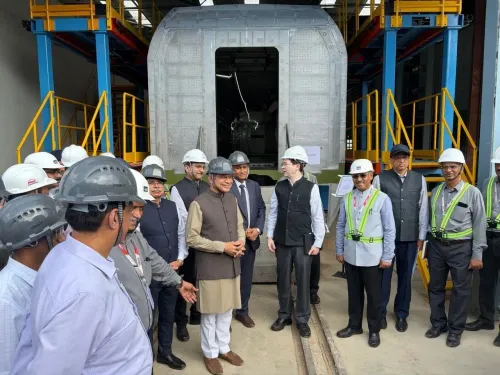
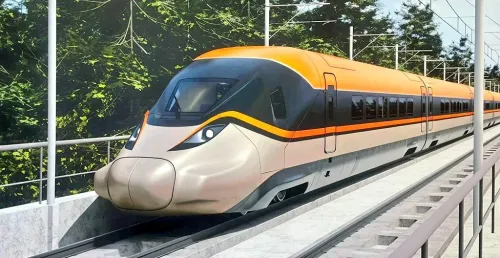
Union Minister Piyush Goyal confirmed on 1 November 2026 that India's first bullet train is being actively built at the BEML facility in Bengaluru, marking a tangible manufacturing milestone for the 508-km Mumbai–Ahmedabad High-Speed Rail Corridor.
Key Takeaways
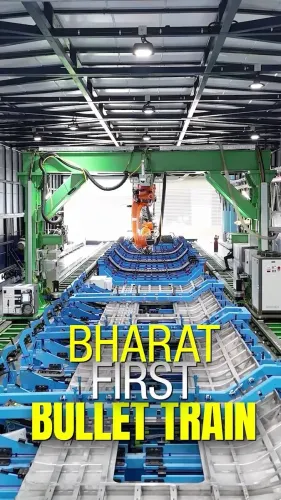
Union Minister Piyush Goyal confirmed on 1 November 2026 that India's first bullet train is under active construction at the BEML facility, Bengaluru .
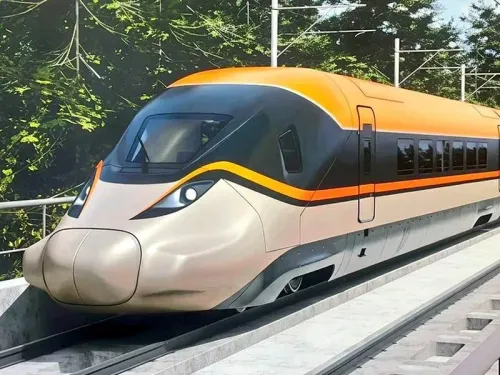
The Mumbai–Ahmedabad High-Speed Rail Corridor spans 508 km and is based on Japanese Shinkansen technology .
India and Japan signed a memorandum of cooperation on high-speed rail in 2015 ; the Cabinet approved the project in December 2015 .
BEML is a public sector undertaking under the Ministry of Defence with rail manufacturing expertise in Bengaluru.
The development is a key milestone in India's Make in India push to indigenise high-speed rail components.
Upcoming milestones include completion of civil works on priority corridor sections and prototype train testing.
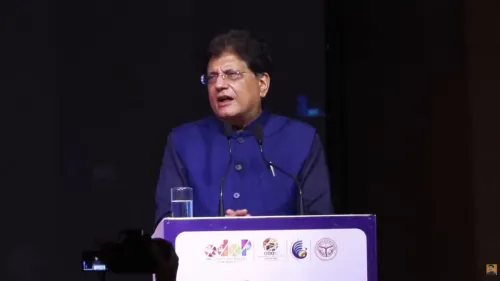
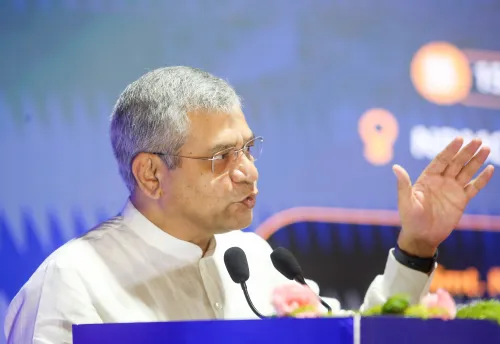
India's bullet train dream is no longer just a blueprint — Union Commerce and Industry Minister Piyush Goyal on Sunday, 1 November 2026, pointed squarely at the BEML facility in Bengaluru, Karnataka, declaring that Bharat's first bullet train is actively under construction.
BEML Bengaluru: Where the High-Speed Hardware Takes Shape
BEML, the Bengaluru-headquartered public sector undertaking under the Ministry of Defence, has long manufactured rail coaches, metro cars, and defence equipment. Its selection as the site for bullet train fabrication marks a significant escalation in its role within India's rail ecosystem — shifting from conventional rolling stock to the country's most ambitious traction project yet.
The minister's post — 'Bharat's first bullet train is BEING BUILT!' — underscores that manufacturing is no longer pending; it is in progress. The emphasis on the BEML facility also signals the government's intent to anchor high-speed rail within the domestic industrial base rather than relying wholly on imports.
The Mumbai–Ahmedabad Corridor: A Decade in the Making
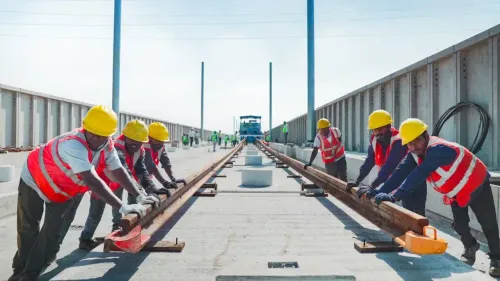
The project traces its roots to December 2015, when the Cabinet approved the Mumbai–Ahmedabad High-Speed Rail Corridor — a 508-km alignment designed around Japanese Shinkansen technology. India and Japan formalised a memorandum of cooperation that same year, with Japan International Cooperation Agency (JICA) providing financing and technical expertise. The foundation stone was laid at Ahmedabad in September 2017.
The corridor has since become the flagship test case for India's high-speed rail ambitions: whether it can absorb advanced foreign technology, indigenise key components, and deliver a commercially viable service on the world's fourth-largest rail network.
Make in India Meets High-Speed Rail
Goyal's post — geotagged to the BEML facility, Bengaluru — fits squarely into the broader Make in India narrative that has driven government rail policy over the past decade. Multiple rail manufacturing PSUs have received orders to localise components, reduce import dependence, and build an export-ready industrial capability. Bullet train fabrication at BEML represents perhaps the most technically demanding test of that strategy so far.
The next critical milestones to watch: completion of civil works on the corridor's priority sections and the rollout of prototype trains for high-speed testing — the two inflection points that will convert factory-floor progress into a train Indians can board.
Point of View
Factory-floor moment — the kind of optics the government has carefully cultivated as the 2017 Ahmedabad foundation stone recedes and delivery pressure builds. Anchoring the announcement to BEML Bengaluru is deliberate: it ties bullet train progress to the Make in India industrial narrative, reinforcing that this is not just a Japan-funded import project but a domestic manufacturing story. With the Mumbai–Ahmedabad corridor now in its second decade of gestation, every visible production milestone carries outsized political weight. The real test of this framing will come when prototype trains begin high-speed trials — that is when the project transitions from aspiration to verifiable infrastructure.
NationPress
1 Nov 2026
Frequently Asked Questions
Where is India's first bullet train being built?
India's first bullet train is being built at the BEML facility in Bengaluru, Karnataka , as confirmed by Union Minister Piyush Goyal on 1 November 2026 .
Which is India's first bullet train corridor?
The Mumbai–Ahmedabad High-Speed Rail Corridor , spanning 508 km , is India's first bullet train project, approved in December 2015 and based on Japanese Shinkansen technology.
What is BEML and why is it making bullet trains?
BEML is a public sector undertaking headquartered in Bengaluru under the Ministry of Defence. It manufactures rail coaches, metro cars and defence equipment, and has been selected for bullet train fabrication as part of India's Make in India indigenisation drive.
What is India's bullet train project timeline?
The Cabinet approved the project in December 2015 , the foundation stone was laid at Ahmedabad in September 2017 , and as of November 2026 , manufacturing of the first train is underway at BEML Bengaluru.
Which country is helping India build the bullet train?
Japan is India's technology and financing partner for the bullet train project, providing Shinkansen expertise and funding through JICA (Japan International Cooperation Agency) under a 2015 memorandum of cooperation.