Piyush Goyal Meets Carlyle Group CEO on India Investment
Synopsis
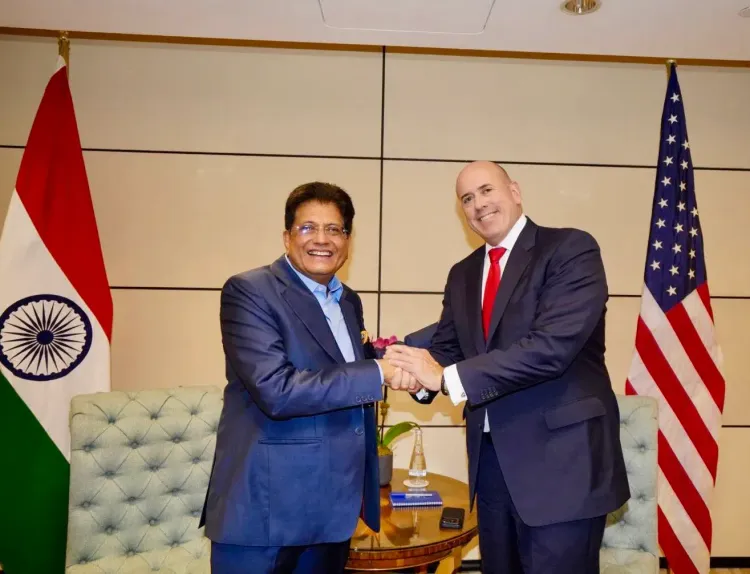
Union Commerce Minister Piyush Goyal met Carlyle Group CEO Harvey M. Schwartz on 29 May 2026 to discuss investment opportunities across India's emerging sectors. The talks highlighted India's macroeconomic fundamentals and policy stability as anchors for attracting long-term global capital from one of the world's largest private equity firms.
Key Takeaways
Piyush Goyal , Union Commerce and Industry Minister, met Carlyle Group CEO Harvey M.
Schwartz on 29 May 2026 .
Discussions focused on investment opportunities across India's 'diverse and emerging sectors.' The Carlyle Group is one of the world's largest alternative asset managers with a global multi-sector portfolio.
India has liberalised its FDI framework progressively since 2014 under the Make in India programme.
Production Linked Incentive (PLI) schemes launched from 2020 have further strengthened India's investment appeal in manufacturing.
No specific investment commitments have been formally announced following the meeting.
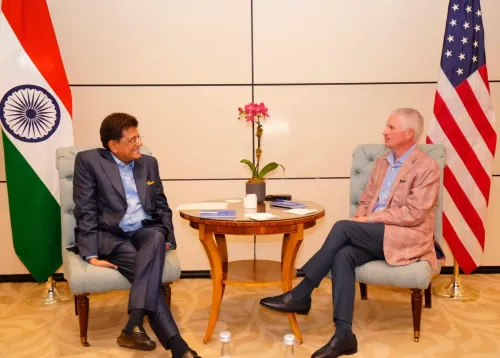
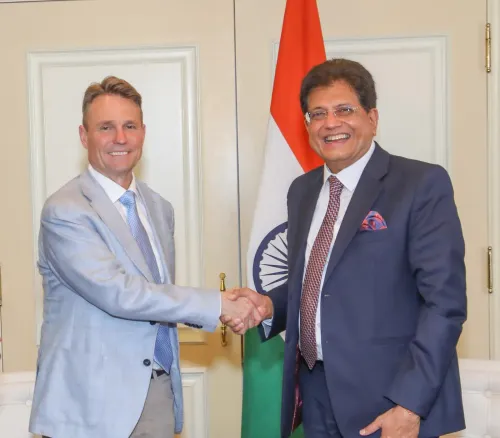
Union Commerce and Industry Minister Piyush Goyal met Harvey M. Schwartz, Chief Executive Officer and Director of The Carlyle Group, on Thursday, 29 May 2026, to discuss investment opportunities across India's emerging sectors, citing strong macroeconomic fundamentals and policy stability as key draws for global capital.
Context
Minister Goyal confirmed the meeting on X, noting that the two sides 'discussed opportunities across India's diverse and emerging sectors underpinned by strong macroeconomic fundamentals and policy stability.' The Carlyle Group is one of the world's largest alternative asset managers, with a diversified portfolio spanning private equity, credit and real assets across multiple geographies.
Harvey M. Schwartz has led Carlyle as CEO and Director, steering the firm's global investment strategy. The meeting signals continued interest from top-tier global private equity in India's growth story at a time when the country is actively courting long-term foreign capital.
Policy Backdrop
India has progressively liberalised its foreign direct investment framework since 2014 under the Make in India programme, opening up sectors ranging from defence manufacturing to financial services. The Production Linked Incentive (PLI) schemes, launched from 2020 onward, have further sweetened the investment climate by offering output-linked financial incentives across more than a dozen manufacturing categories.
Indian ministers and senior officials have consistently engaged global private equity firms, sovereign wealth funds and institutional investors as part of a coordinated effort to raise India's share of global FDI inflows. These engagements are designed to communicate policy predictability and reform continuity to long-horizon capital allocators such as Carlyle.
Stakeholders and Impact
For foreign investors, a direct channel to the Union Commerce Minister signals governmental seriousness about easing the path for large-ticket investments. Carlyle's interest in India's 'diverse and emerging sectors' could encompass infrastructure, consumer technology, healthcare and financial services — all areas where the firm has historically deployed capital in emerging markets.
Domestic industry stands to benefit if such engagements translate into fresh capital commitments, joint ventures or expanded operations. India's broader objective of positioning itself as a preferred destination for global capital depends in part on sustained high-level diplomatic and economic outreach of this kind.
What's Next
While specific outcomes of the meeting have not been formally announced, engagements of this nature typically feed into broader bilateral economic dialogues and can precede sector-specific investment announcements. Observers will watch for any follow-up policy signals — particularly on FDI rule adjustments or new PLI categories — that could reflect the direction of such high-level conversations.
As India advances its ambition to become a USD 5 trillion economy, sustained engagement with global alternative asset managers like The Carlyle Group will remain a central pillar of the government's investment-attraction strategy.
Point of View
Such meetings serve both a diplomatic and a marketing function. The real test will be whether these engagements translate into announced capital commitments in the months ahead.
NationPress
12 Oct 2026
Frequently Asked Questions
Why did Piyush Goyal meet the Carlyle Group CEO?
Minister Piyush Goyal met Carlyle Group CEO Harvey M. Schwartz to discuss investment opportunities across India's diverse and emerging sectors, highlighting the country's macroeconomic fundamentals and policy stability as key attractions for global capital.
What is the Carlyle Group and why does it matter for India?
The Carlyle Group is one of the world's largest private equity and alternative asset management firms. Its interest in India is significant because large-scale commitments from such firms can channel long-term capital into infrastructure, technology, manufacturing and consumer sectors.
What is India's current FDI policy framework?
India has progressively liberalised its FDI policy since 2014 under the Make in India programme, opening multiple sectors to foreign investment. Production Linked Incentive schemes launched from 2020 further incentivise manufacturing investment with output-linked financial benefits.
Were any investment deals announced after the Goyal-Schwartz meeting?
No specific investment commitments or deal announcements have been formally confirmed following the 29 May 2026 meeting. Such high-level engagements typically precede more detailed negotiations or policy announcements.
Which sectors in India is Carlyle Group likely interested in?
Based on Carlyle's global investment history and India's emerging priorities, likely areas of interest include infrastructure, healthcare, consumer technology and financial services — all sectors where the firm has deployed capital in other emerging markets.