Goyal meets Chara Tech CEO on rare-earth-free EV motors
Synopsis
Commerce Minister Piyush Goyal met Chara Tech founder Bhaktha Keshavachar on 2 July 2026, lauding the Bengaluru startup's rare-earth-magnet-free electric motor technology as a model of self-reliant, globally relevant Indian innovation aligned with Atmanirbhar Bharat goals.
Key Takeaways
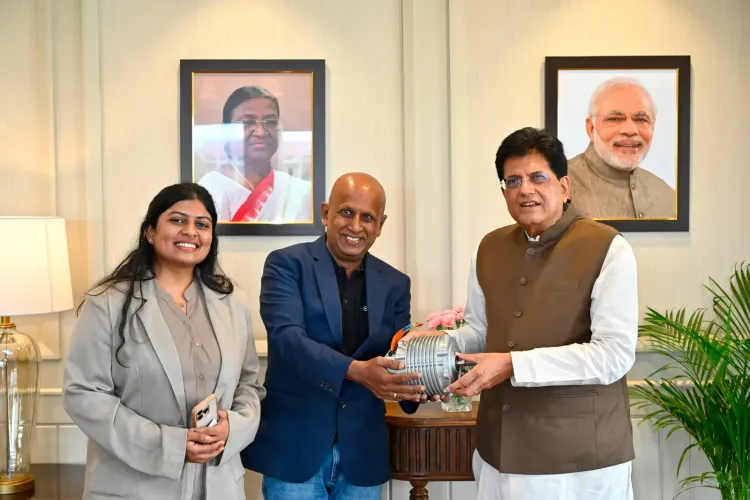
Union Commerce and Industry Minister Piyush Goyal met Bhaktha Keshavachar , Founder and CEO of Chara Tech , on 2 July 2026 .
Chara Tech is a Bengaluru -based startup developing electric motors that do not use rare-earth magnets.
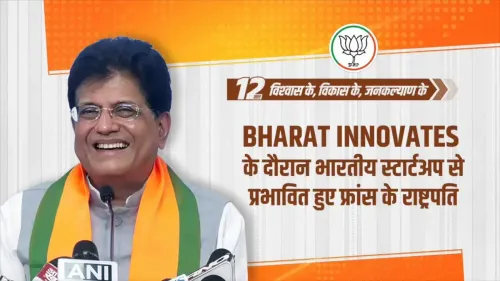
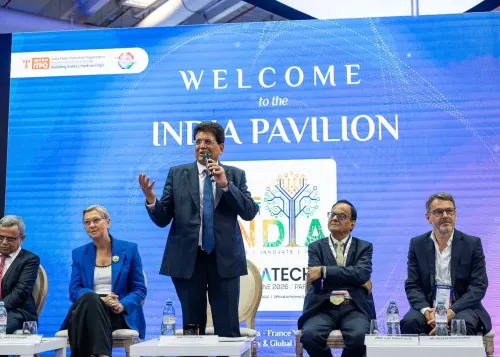
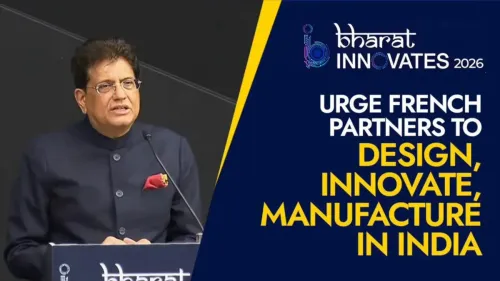
The two had previously met at Bharat Innovates 2026 in Nice, France , reflecting the startup's international visibility.
Goyal linked the company's work to the Atmanirbhar Bharat initiative, launched in May 2020 to reduce India's import dependence in strategic sectors.
India's PLI scheme for automobiles and auto components, notified in September 2021 , provides the policy framework supporting domestic EV component innovation.
Rare-earth-magnet-free motors could reduce India's exposure to concentrated global rare-earth supply chains dominated by a small number of countries.
Union Commerce and Industry Minister Piyush Goyal met Bhaktha Keshavachar, Founder and CEO of Bengaluru-based startup Chara Tech, on Thursday, 2 July 2026, highlighting the company's work on rare-earth-magnet-free electric motors as a model of indigenous, globally relevant innovation aligned with India's self-reliance goals.
Context
Minister Goyal noted that the two had also interacted recently at Bharat Innovates 2026 in Nice, France, underscoring the increasingly international stage on which Indian deep-tech startups are showcasing their capabilities. In his post, Goyal described Chara Tech's work as 'an excellent example of how Indian innovators are creating sustainable and globally relevant solutions, while strengthening the vision of a self-reliant India.'
Chara Tech is developing electric motors that do not rely on rare-earth magnets — a technology segment where global supply chains are heavily concentrated in a handful of countries, creating strategic vulnerabilities for EV manufacturers worldwide.
Policy Backdrop
The minister's engagement with Chara Tech fits squarely within the Atmanirbhar Bharat initiative, launched in May 2020, which prioritised domestic manufacturing and indigenous technology development across strategic sectors including green mobility. The initiative sought to reduce India's dependence on imports in critical component categories.
The government subsequently notified the Production Linked Incentive (PLI) scheme for automobiles and auto components in September 2021, designed to accelerate the domestic manufacturing of EV components. Rare-earth-magnet-free motors, if commercially scaled, could address one of the more persistent supply-chain vulnerabilities in the EV transition — the dependence on imported permanent magnets.
India has pursued reduced dependence on rare-earth inputs through domestic R&D incentives and PLI-linked manufacturing, positioning the effort as part of a wider strategy to build technological sovereignty in green mobility.
Stakeholders and Impact
For Indian EV component makers and deep-tech startups, ministerial visibility of this kind signals policy-level recognition of alternative motor technologies. Chara Tech's approach, if it reaches commercial scale, could reduce exposure to rare-earth supply-chain disruptions and open pathways into global sustainable-technology supply chains.
The meeting also reflects a broader pattern of Indian policymakers engaging with domestic innovators at international forums and then amplifying those interactions publicly — a deliberate effort to draw investor and industry attention to emerging homegrown technology.
What's Next
Attention will turn to whether engagements like this one translate into formal policy support, procurement interest, or inclusion in upcoming critical-minerals and EV policy frameworks that the government is expected to update. The France-India technology corridor, evidenced by the Bharat Innovates 2026 event in Nice, may also yield follow-up collaboration opportunities for startups working at the intersection of clean energy and advanced manufacturing. For Chara Tech, the ministerial endorsement could accelerate conversations with institutional investors and potential industrial partners both domestically and abroad.
Point of View
And India's signalling here carries weight beyond the startup ecosystem. The France connection is also notable: showcasing Indian innovation at a European forum suggests New Delhi is actively building a technology-diplomacy narrative alongside its trade diplomacy. Whether this translates into concrete policy support or procurement will be the real test of intent.
NationPress
2 Jul 2026
Frequently Asked Questions
What is Chara Tech and what does it do?
Chara Tech is a Bengaluru-based startup founded by Bhaktha Keshavachar that is developing electric motors which do not use rare-earth magnets, offering a potentially more sustainable and supply-chain-resilient alternative for EV manufacturers.
Why are rare-earth-magnet-free electric motors important for India?
Rare-earth magnets used in conventional EV motors are sourced from a small number of countries, creating supply-chain vulnerabilities. Domestically developed alternatives could reduce India's import dependence and strengthen its EV manufacturing base under the Atmanirbhar Bharat initiative.
What is Bharat Innovates 2026?
Bharat Innovates 2026 is an innovation event held in Nice, France, where Indian startups and innovators showcased their work to an international audience. Minister Piyush Goyal attended and interacted with Chara Tech founder Bhaktha Keshavachar at the event.
What is the Atmanirbhar Bharat initiative?
Atmanirbhar Bharat, meaning 'self-reliant India,' is a government initiative launched in May 2020 to strengthen domestic manufacturing, reduce import dependence, and develop indigenous capabilities in strategic sectors including technology and green mobility.
What is the PLI scheme for automobiles?
The Production Linked Incentive scheme for automobiles and auto components, notified in September 2021, provides financial incentives to manufacturers scaling up domestic EV component production, forming a key pillar of India's EV manufacturing strategy.