Piyush Goyal pays tribute at Lucknow's Rashtra Prerna Sthal
Synopsis
Union Commerce Minister Piyush Goyal visited Lucknow's Rashtra Prerna Sthal on 11 June 2026, paying tribute to Dr. Shyama Prasad Mookerjee, Pandit Deendayal Upadhyaya, and Bharat Ratna Atal Bihari Vajpayee, and linking their ideals of nation-first, Antyodaya, and good governance to the Viksit Bharat vision.
Key Takeaways
Piyush Goyal visited the Rashtra Prerna Sthal in Lucknow on 11 June 2026 and paid tribute to three BJP ideological icons.
The memorial is dedicated to Dr.
Shyama Prasad Mookerjee (founder of the Bharatiya Jana Sangh, 1951), Pandit Deendayal Upadhyaya (architect of Integral Humanism), and Bharat Ratna Atal Bihari Vajpayee (three-time Prime Minister).
Goyal described the site as dedicated to the ideals of 'nation first,' Antyodaya , and good governance.
He explicitly linked the three leaders' legacies to the Viksit Bharat @2047 development vision.
The visit is part of a broader, established pattern of senior BJP ministers publicly paying homage at memorials to the party's founding figures.
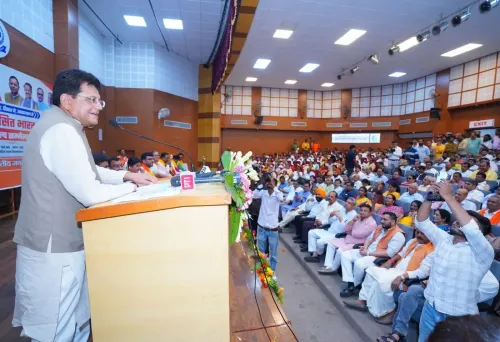
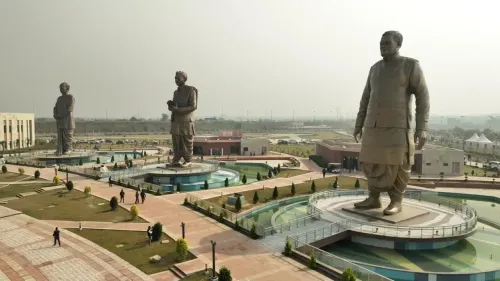
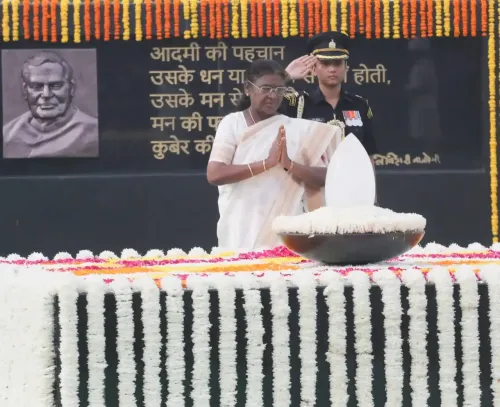
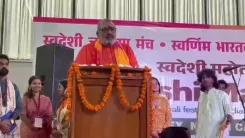
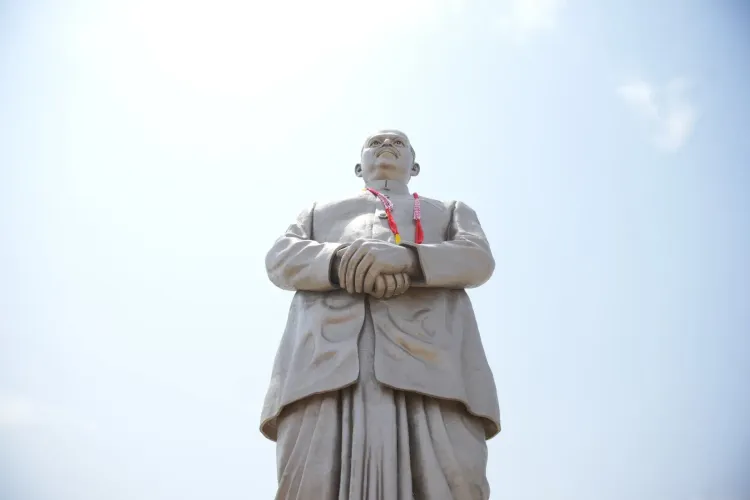
Union Commerce and Industry Minister Piyush Goyal visited the Rashtra Prerna Sthal in Lucknow on Thursday, 11 June 2026, paying floral tributes to three towering figures of the BJP's ideological lineage — Dr. Shyama Prasad Mookerjee, Pandit Deendayal Upadhyaya, and Bharat Ratna Atal Bihari Vajpayee — before touring the memorial museum that documents their contributions to nation-building.
Posting on X in Hindi, Goyal wrote that the site — 'राष्ट्र प्रथम के संकल्प, अंत्योदय के दर्शन और सुशासन की परंपरा को समर्पित' ('dedicated to the resolve of nation first, the philosophy of Antyodaya, and the tradition of good governance') — preserves the inspiring stories of the three leaders' ideals and their devotion to national development. He added that their ideals 'continue to guide us in realising the resolve of a Viksit Bharat.'
Context
The Rashtra Prerna Sthal is a memorial-museum complex in Lucknow, the capital of Uttar Pradesh, dedicated to the three leaders. It houses their writings, photographs, and archival material tracing their intellectual and political contributions. Lucknow has served as a key site for BJP-led commemorative projects, particularly since 2017.
The visit comes as senior BJP leaders have increasingly made public pilgrimages to memorials of the party's ideological predecessors, reinforcing a visible thread of continuity between the Jana Sangh's founding era and present-day governance priorities.
Policy Backdrop
Dr. Shyama Prasad Mookerjee founded the Bharatiya Jana Sangh in 1951 as a platform for cultural nationalism and served as a Union minister in independent India's first cabinet. Pandit Deendayal Upadhyaya articulated the doctrine of Integral Humanism, adopted at the Jana Sangh's 1965 session, and championed the Antyodaya approach — the uplift of the last person in the social order. Atal Bihari Vajpayee served as Prime Minister three times — in 1996 and from 1998 to 2004 — and was known for economic liberalisation, the 1998 nuclear tests, and coalition governance.
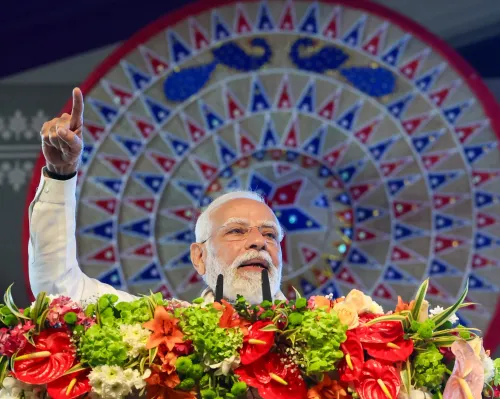
The BJP's 2014 manifesto placed Antyodaya and 'nation first' at the heart of its governance agenda. Prime Minister Narendra Modi articulated the Viksit Bharat @2047 vision in 2022, explicitly linking these historical ideological legacies to the goal of a developed India by the centenary of independence.
Stakeholders and Impact
The visit carries significance for BJP workers and ideological followers who regard Mookerjee, Upadhyaya, and Vajpayee as foundational figures. Public tributes by Union ministers at such sites serve to reaffirm the party's self-described continuity of purpose — from Jana Sangh origins to the current national development agenda.
Goyal, who is also the Leader of the House in the Rajya Sabha and a senior BJP leader, lent additional institutional weight to the visit. The presence of four photographs shared alongside the post underscores the deliberate, documented nature of the tribute.
What's Next
Observers will watch for further state-level commemorative events or museum inaugurations in Uttar Pradesh as the BJP continues to institutionalise the Antyodaya and good-governance narrative through physical memorials. References to these three leaders in upcoming Union Budget speeches or Independence Day addresses on 15 August will indicate how prominently this ideological framing features in the government's public communication through the rest of 2026.
Point of View
A senior Union minister signals that these doctrines are not merely historical footnotes but active policy anchors. The deliberate documentation — four photographs, a formal Hindi statement — suggests this was a planned institutional gesture rather than an incidental visit. Such acts of commemorative politics are likely to intensify ahead of major national milestones, including the centenary of independence in 2047.
NationPress
25 Oct 2026
Frequently Asked Questions
What is the Rashtra Prerna Sthal in Lucknow?
The Rashtra Prerna Sthal is a memorial-museum complex in Lucknow, Uttar Pradesh, dedicated to Dr. Shyama Prasad Mookerjee, Pandit Deendayal Upadhyaya, and Bharat Ratna Atal Bihari Vajpayee, preserving their writings, photographs, and contributions to nation-building.
Why did Piyush Goyal visit the Rashtra Prerna Sthal?
Union Commerce Minister Piyush Goyal visited on 11 June 2026 to pay tribute to the three leaders and tour the museum, publicly reaffirming their ideals of nation first, Antyodaya, and good governance as guiding principles for the Viksit Bharat vision.
Who was Pandit Deendayal Upadhyaya and what is Antyodaya?
Pandit Deendayal Upadhyaya was a Bharatiya Jana Sangh leader who articulated the philosophy of Integral Humanism. Antyodaya is his concept of prioritising the welfare of the poorest and last person in society, which has been adopted as a core principle by the BJP.
What is the Viksit Bharat 2047 vision?
Viksit Bharat @2047 is Prime Minister Narendra Modi's vision, articulated in 2022, for India to become a fully developed nation by the centenary of its independence in 2047, often linked to the ideological legacy of leaders like Vajpayee and Upadhyaya.
What is Piyush Goyal's role in the current government?
Piyush Goyal serves as the Union Minister of Commerce and Industry. He is also a senior BJP leader and the Leader of the House in the Rajya Sabha.