GSLV-F18 launches NVS-03: Assam CM Sarma hails NavIC revival, defence boost

Synopsis
ISRO's GSLV-F18 has placed the NVS-03 satellite in orbit, reviving and upgrading India's NavIC navigation system with a new L1 signal band and an indigenously developed atomic clock. Assam CM Himanta Biswa Sarma called it a defence milestone — and with GPS independence now a strategic priority, the launch marks a quiet but consequential step in India's space self-reliance.
Key Takeaways
ISRO launched GSLV-F18 at 11.51 pm IST on 31 October 2026 from Sriharikota, Andhra Pradesh .
The 2,232-kg NVS-03 satellite was successfully placed in Geosynchronous Transfer Orbit .
This was the 20th flight of India's Geosynchronous Satellite Launch Vehicle.
NVS-03 adds an indigenously developed atomic clock and a new L1 navigation signal to the NavIC constellation.
NavIC covers India's mainland and a region up to 1,500 km beyond its boundaries, serving civilian, maritime, and defence users.
Assam CM Himanta Biswa Sarma praised the mission on X, highlighting reduced dependence on foreign navigation systems.
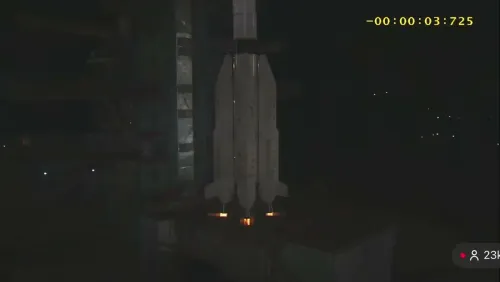
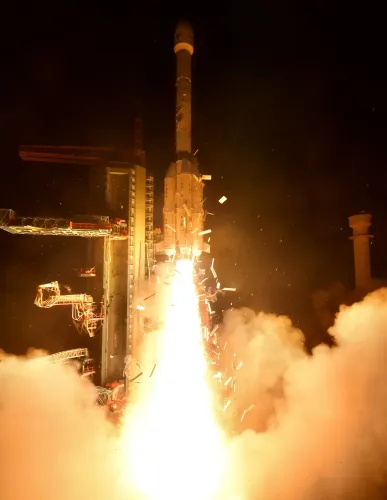
The Indian Space Research Organisation (ISRO) successfully launched the GSLV-F18 rocket carrying the NVS-03 navigation satellite at 11.51 pm IST on Friday, 31 October 2026, from the Satish Dhawan Space Centre in Sriharikota, Andhra Pradesh. ISRO subsequently confirmed that the 2,232-kg satellite had been placed in its intended Geosynchronous Transfer Orbit, marking the 20th flight of India's Geosynchronous Satellite Launch Vehicle.
Assam CM Hails the Mission
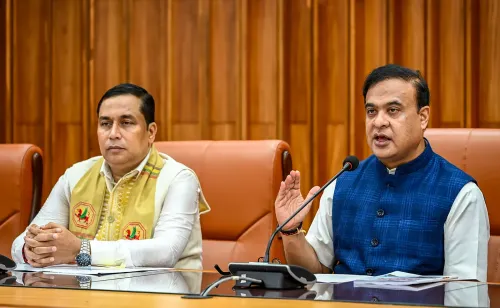
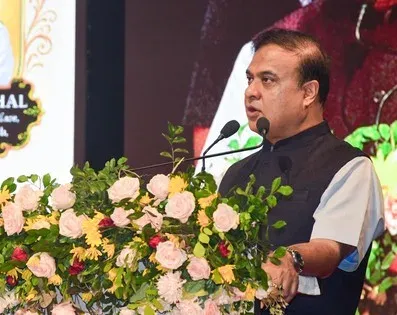
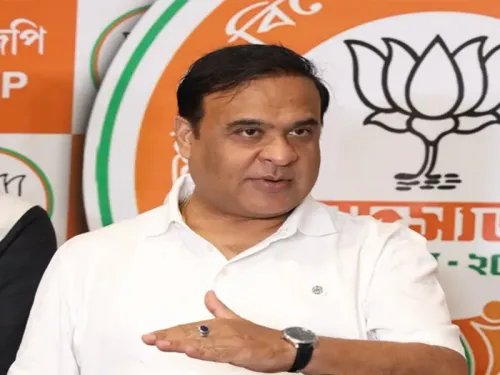
Assam Chief Minister Himanta Biswa Sarma was among the first public figures to react, congratulating ISRO scientists via a post on X. 'A milestone in India's navigational capabilities. The successful launch of ISRO's GSLV-F18 has ensured that India's own navigation system, NavIC, is up and running again, eliminating dependence on foreign entities for mapping and shoring up the capabilities of our armed forces,' Sarma wrote. He added that the nation was proud of the scientists associated with the mission.
What NVS-03 Adds to NavIC
NVS-03 is the third satellite in ISRO's next-generation navigation satellite series, designed to ensure continuity and enhance services under Navigation with Indian Constellation (NavIC) — India's indigenous regional positioning system. The satellite carries an indigenously developed atomic clock, supplemented by procured atomic clocks, and introduces the L1 navigation signal in addition to the existing L5 and S-band signals. The addition of L1 is significant because it brings NavIC's signal architecture closer to that of global systems such as GPS, potentially widening compatibility with civilian and commercial receivers.
NavIC's Strategic Significance
NavIC delivers positioning, navigation, and timing services across India's mainland and a region extending approximately 1,500 km beyond its geopolitical boundaries. Its applications span civilian navigation, transportation logistics, maritime operations, and strategic defence requirements. This comes amid India's broader push to reduce dependence on the United States' GPS and other foreign satellite navigation systems — a priority that has gained urgency given geopolitical uncertainties in recent years. Notably, this is the third successive NavIC constellation upgrade since the original series was commissioned.
Broader Context: India's Space Ambitions
The successful GSLV-F18 mission reinforces India's deepening investment in indigenous space infrastructure. ISRO has been incrementally hardening NavIC's architecture with newer-generation satellites that carry home-built atomic clocks — a critical technology that India had historically sourced from abroad. With NVS-03 now operational, the constellation is better positioned to serve both civilian users and armed forces with improved accuracy and resilience. Industry observers note that a fully indigenous, reliable navigation system also underpins future ambitions in autonomous vehicles, precision agriculture, and drone logistics.
What Comes Next
ISRO is expected to follow up with additional NVS-series satellites to further strengthen coverage and redundancy. The space agency has not yet confirmed a timeline for the next launch in the series, but the successful placement of NVS-03 is widely seen as a confidence boost ahead of several high-priority missions on its calendar.
Point of View
And India had long relied on imports for this critical component. What mainstream coverage often underplays is the defence calculus: a degraded or jammed GPS signal in a conflict scenario is not hypothetical. NavIC's revival, with expanded signal bands and home-built hardware, quietly closes a vulnerability. The test now is sustained investment and rapid constellation completion — ambitions have historically outpaced execution timelines in India's space programme.
NationPress
31 Oct 2026
Frequently Asked Questions
What is the GSLV-F18 NVS-03 mission?
GSLV-F18 is the 20th flight of ISRO's Geosynchronous Satellite Launch Vehicle, which successfully carried the 2,232-kg NVS-03 navigation satellite into Geosynchronous Transfer Orbit on 31 October 2026. NVS-03 is the third satellite in ISRO's next-generation NavIC navigation series.
What is NavIC and why does it matter?
NavIC, or Navigation with Indian Constellation, is India's indigenous regional satellite navigation system that provides positioning, navigation, and timing services across the country and up to 1,500 km beyond its borders. It reduces India's dependence on foreign systems like GPS and supports both civilian and military applications.
What is new about NVS-03 compared to earlier NavIC satellites?
NVS-03 introduces an indigenously developed atomic clock — a significant step given India previously relied on imported clocks for this purpose — and adds the L1 navigation signal to the existing L5 and S-band signals, improving compatibility with civilian receivers.
Why did Assam CM Himanta Biswa Sarma comment on the launch?
Sarma posted on X to congratulate ISRO scientists, calling the mission a milestone that restored NavIC's operational status and strengthened the defence capabilities of India's armed forces by eliminating reliance on foreign navigation entities.
What are the next steps for ISRO's NavIC programme?
ISRO is expected to launch additional NVS-series satellites to enhance coverage redundancy and constellation resilience, though a confirmed timeline for the next launch in the series has not yet been announced.