Gujarat 108 Ambulance Delivers Baby in Remote Jamjodhpur Village
Synopsis
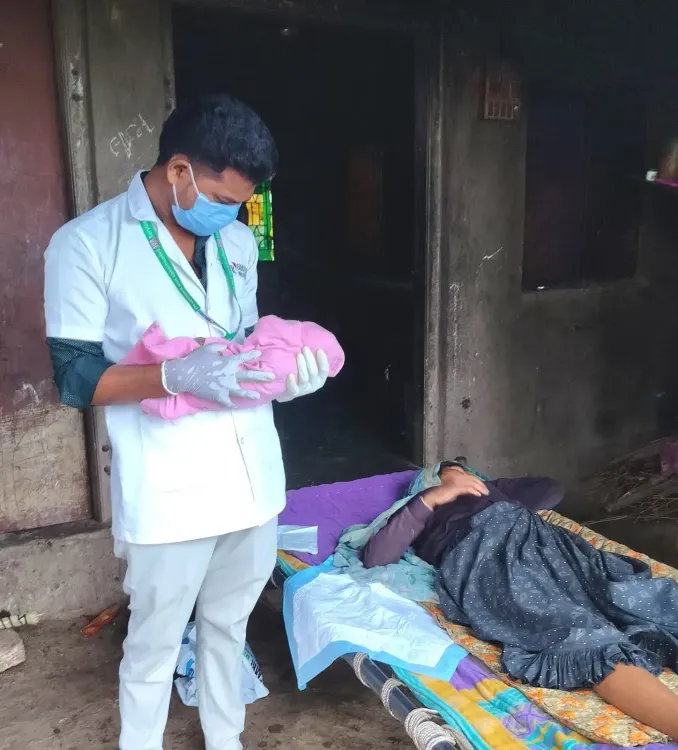
Gujarat's 108 Emergency Ambulance team conducted a successful field delivery for a pregnant woman in the remote village of Kotda Bavisi, Jamjodhpur, after monsoon flooding blocked hospital access. The Chief Minister's Office credited the outcome to CM Bhupendra Patel's push for last-mile emergency healthcare.
Key Takeaways
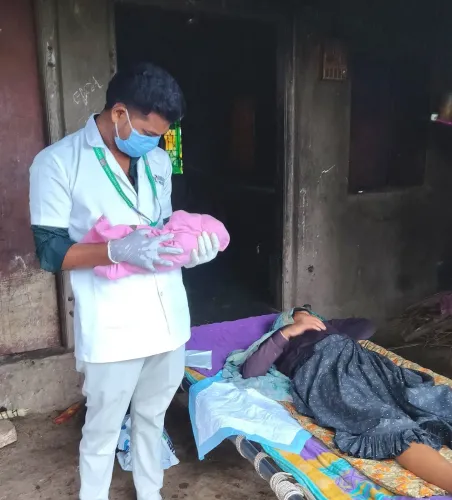
The 108 Emergency Ambulance team delivered a baby in Kotda Bavisi village , Jamjodhpur taluka, on 7 July 2026 .
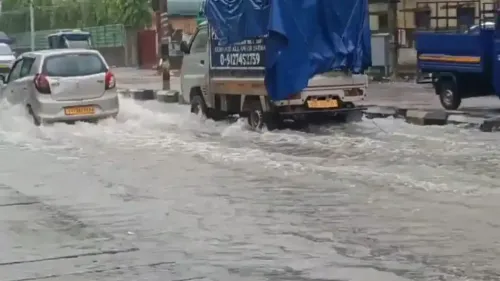
Heavy monsoon rains made it impossible for the pregnant woman to reach a hospital, forcing an on-site delivery in a remote hamlet.
Both mother and newborn were reported safe after the emergency intervention.
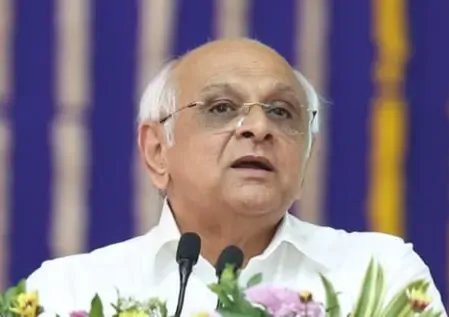
The Chief Minister's Office of Gujarat attributed the service's reach to the leadership of CM Bhupendra Patel .
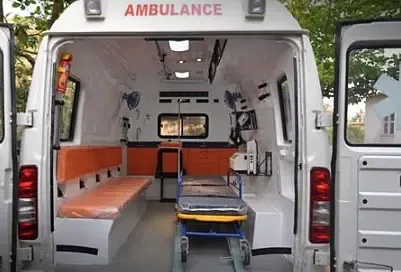
Gujarat pioneered the 108 Emergency Ambulance PPP model in the mid-2000s, providing free emergency response statewide.
The incident underscores the critical role of last-mile obstetric care in monsoon-prone, geographically isolated Saurashtra districts.
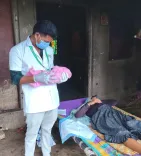
The Chief Minister's Office of Gujarat on Tuesday, 7 July 2026 highlighted a successful emergency delivery carried out by a 108 Emergency Ambulance team in Kotda Bavisi village of Jamjodhpur taluka, after relentless monsoon rains made it impossible for a pregnant woman to reach a hospital.
The CMO's post stated: '108 ઇમરજન્સી એમ્બ્યુલન્સ ટીમ દ્વારા અંતરીયાળ વાડી વિસ્તારમાં સગર્ભાની સફળ પ્રસૂતિ કરાવી' — ('The 108 Emergency Ambulance team successfully conducted the delivery of a pregnant woman in a remote hamlet area') — describing the episode as 'an outstanding example of service, sensitivity, and alertness.' Both mother and newborn were reported safe.
Context
Kotda Bavisi is a remote village in Jamjodhpur taluka, part of Jamnagar district in Gujarat's Saurashtra region — an area where interior hamlets and scattered vadi settlements become cut off during heavy monsoon downpours. The post noted that flooding made road access to the nearest hospital 'difficult', forcing the ambulance crew to conduct the delivery on-site in the field.
The CMO credited the outcome to the leadership of Chief Minister Bhupendra Patel, stating that the 108 Emergency Ambulance Service has become 'a carrier of public service and humanity' reaching the remotest villages of the state.
Policy Backdrop
Gujarat was among the first states in India to operationalise the 108 Emergency Ambulance Service in the mid-2000s through a public-private partnership with the Emergency Management and Research Institute (EMRI). The model, providing free emergency response statewide, was subsequently adopted by several other states and has been scaled progressively under successive Gujarat governments.
The service aligns with the National Health Mission's targets for institutional and assisted deliveries, particularly for women in geographically isolated and monsoon-prone pockets. Reducing maternal mortality in last-mile areas remains a stated priority under state health policy.
Stakeholders and Impact
Rural pregnant women in remote settlements — especially those in coastal Saurashtra districts during the June-September monsoon window — are the primary beneficiaries of the service's extended reach. Incidents like this one in Jamjodhpur illustrate the operational stress the service faces when seasonal flooding severs road connectivity to primary health centres and district hospitals.
The broader population of interior vadi (hamlet) residents, who often lack private transport and live far from all-weather roads, depend disproportionately on the 108 network for obstetric and trauma emergencies.
What's Next
Attention will now turn to quarterly performance audits of 108 response times during the 2026 monsoon season, and whether the Gujarat government announces upgrades to ambulance fleets or telemedicine linkages for coastal Saurashtra districts. Sustained last-mile emergency obstetric coverage during peak monsoon months will be the practical test of the service's reach beyond high-profile incidents.
Point of View
With its monsoon-season isolation, is a politically and demographically significant constituency for such messaging. Whether the spotlight translates into measurable fleet or infrastructure upgrades for the region will be the harder test.
NationPress
7 Jul 2026
Frequently Asked Questions
What happened with the 108 ambulance in Jamjodhpur?
A 108 Emergency Ambulance team successfully delivered a baby in the remote village of Kotda Bavisi in Jamjodhpur taluka after heavy monsoon rains made it impossible for the pregnant woman to reach a hospital. Both mother and child were reported safe.
What is the 108 Emergency Ambulance Service in Gujarat?
The 108 Emergency Ambulance Service is a free public-private partnership emergency medical service in Gujarat, operational since the mid-2000s, that provides ambulance response across the state including remote rural and tribal areas.
Where is Kotda Bavisi village located?
Kotda Bavisi is a remote village in Jamjodhpur taluka, Jamnagar district, in the Saurashtra region of Gujarat — an area where interior hamlets frequently lose road connectivity during the monsoon season.
How does the 108 service help pregnant women in rural Gujarat?
The 108 service provides free emergency transport and on-site medical assistance to pregnant women in remote areas, helping reduce maternal mortality by ensuring trained personnel can reach patients even when hospital access is blocked by flooding or poor roads.
Who is the Chief Minister of Gujarat in 2026?
Bhupendra Patel is the Chief Minister of Gujarat, in office since September 2021. The Chief Minister's Office credited his leadership for expanding the 108 ambulance service to the remotest villages of the state.