Gujarat approves 4 brownfield medical colleges in Kheda, Mahisagar, Botad, Gir Somnath under PPP
Synopsis
Gujarat has approved four brownfield medical colleges across Kheda, Mahisagar, Botad, and Gir Somnath under PPP — but with a hard condition: private operators must keep all existing free services running, treat accident and trauma cases for free, and maintain at least a 10-bed dialysis unit at each site. District collectors will chair oversight committees, making this one of the more tightly regulated PPP healthcare approvals the state has announced.
Key Takeaways
Gujarat has approved four brownfield medical colleges in Kheda, Mahisagar, Botad , and Gir Somnath under the PPP model .
Selected operators must maintain all existing free hospital services and provide immediate free treatment for accident and trauma patients.
Free treatment is also mandated for pregnant women and children from 20 days old to one year of age.
Each facility must include a dialysis unit with at least 10 beds .
A Rogi Kalyan Samiti chaired by the district collector will oversee patient services at each project.
Health Minister Praful Pansheriya said the move will bring specialist doctors and quality healthcare to rural districts.
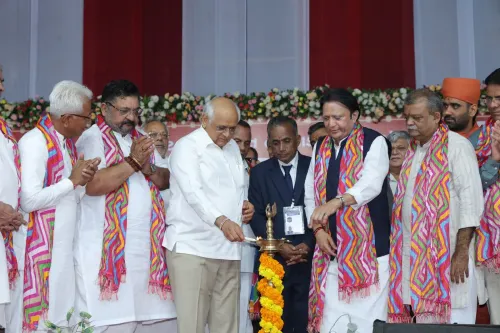
The Gujarat government has approved the establishment of four brownfield medical colleges across Kheda, Mahisagar, Botad, and Gir Somnath districts under a public-private partnership (PPP) model, with each selected institution mandated to continue all existing free hospital services and provide immediate free treatment to accident and trauma patients. The approvals were announced by Health Minister Praful Pansheriya on 15 October 2026.
What the Approvals Cover
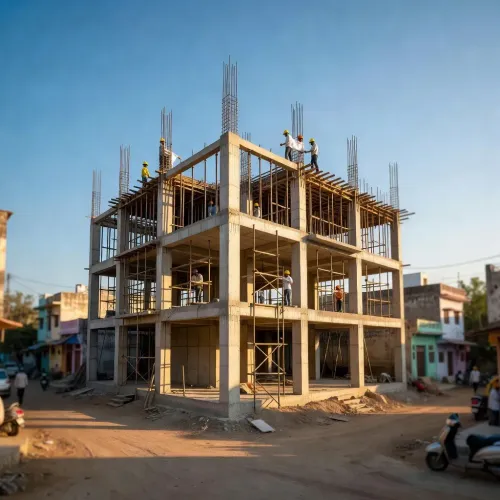
The projects involve upgrading existing district government hospitals into full-fledged medical colleges and hospitals, classifying them as self-financed institutions with modern facilities. The initiative is expected to expand both medical education seats and specialist healthcare access in rural and remote parts of the state.
The four selected organisations are: Shri Gayaprasad Jain Charitable Trust, Ahmedabad (Kheda district); Shri Swaminarayan Vishwamangal Gurukul, Kalol, affiliated with Swaminarayan University (Mahisagar); Shri Chanakya Education and Charitable Trust, Veraval (Gir Somnath); and Delta Millennium Medicare Private Limited, Bhadiyad, Morbi (Botad).
Mandatory Free Services and Patient Safeguards
Each institution is required under the approval terms to maintain all pre-existing free services at the respective government hospitals. Beyond that, the colleges must provide free treatment to pregnant women and children from 20 days after birth until the age of one year, according to the government's announcement.
Every project must also include a dedicated dialysis unit with a minimum of 10 beds. Immediate free care for accident victims and trauma patients is non-negotiable under the terms — a provision that directly addresses gaps typically seen when government facilities are handed over to private operators.
Oversight: Rogi Kalyan Samiti
A Rogi Kalyan Samiti (Patient Welfare Committee) will be constituted for each project, chaired by the respective district collector. The committee will oversee administration and planning of patient-oriented services, providing an institutional check on service delivery under the PPP arrangement.
Notably, embedding a district-collector-led committee signals the state's intent to retain public accountability even as private operators run the facilities — a governance design that has been tested with mixed results in other states.
Government's Stated Goal
Health Minister Pansheriya said the government is committed to ensuring residents can access modern medical treatment within their own districts and that government hospitals gain more specialist doctors. 'The colleges would help extend quality healthcare to rural and remote areas while increasing the availability of medical education seats within the state,' he said.
The approvals were cleared by Gujarat's Health and Family Welfare Department under Pansheriya's leadership. This is part of a broader state push to bridge the urban-rural healthcare divide, particularly in districts such as Gir Somnath and Mahisagar that have historically lacked specialist medical infrastructure.
Wider Context and What Comes Next
India's PPP model for medical colleges has seen varying outcomes nationally — some states have reported private operators scaling back free-service commitments over time. Gujarat's mandatory free-service clauses and the dialysis-bed requirement attempt to pre-empt such rollbacks. How rigorously the Rogi Kalyan Samiti oversight is enforced will be a key indicator of whether these safeguards hold in practice.
The next steps involve formal allocation of district hospital infrastructure to the selected trusts and commencement of construction or upgradation work. Once operational, the colleges are expected to add materially to Gujarat's medical seat count, easing pressure on the state's existing overburdened government institutions.
Point of View
Dialysis-bed requirements, and district-collector-led oversight committees suggest the state has learned from looser PPP structures elsewhere. The real test, however, is enforcement: in several other states, private operators have progressively diluted free-service commitments once facilities became financially viable. The Rogi Kalyan Samiti model is only as strong as the political will to act on its findings. Gujarat's rural health indicators, particularly in Mahisagar and Gir Somnath, need structural investment, not just additional private-sector beds dressed as public service.
NationPress
16 Oct 2026
Frequently Asked Questions
Which four districts have received approval for brownfield medical colleges in Gujarat?
The Gujarat government has approved brownfield medical colleges in Kheda, Mahisagar, Botad, and Gir Somnath districts. The projects involve upgrading existing district government hospitals under a public-private partnership model.
What free services are private operators required to provide under the Gujarat PPP medical college scheme?
Private operators must maintain all pre-existing free hospital services, provide immediate free treatment to accident and trauma patients, offer free care to pregnant women and children from 20 days after birth until one year of age, and run a dialysis unit with at least 10 beds at each facility.
Who are the organisations selected to run the new medical colleges in Gujarat?
Shri Gayaprasad Jain Charitable Trust (Kheda), Shri Swaminarayan Vishwamangal Gurukul affiliated with Swaminarayan University (Mahisagar), Shri Chanakya Education and Charitable Trust (Gir Somnath), and Delta Millennium Medicare Private Limited (Botad) have been selected.
How will the Gujarat government oversee these PPP medical colleges?
A Rogi Kalyan Samiti (Patient Welfare Committee) will be constituted for each project, chaired by the respective district collector, to oversee administration and planning of patient-oriented services.
Why is Gujarat setting up brownfield medical colleges under PPP?
The state aims to increase medical education seats and expand access to specialist healthcare in rural and remote areas. Health Minister Praful Pansheriya stated the colleges will help residents access modern treatment within their own districts and increase the number of specialist doctors at government hospitals.