Gujarat CMO: Rs 359 Cr Mega Plan Transforms Pavagadh

Synopsis
The Gujarat CMO has announced a four-phase Mega Master Plan worth over Rs 359 crore at Pavagadh's Mahakali Mataji Shakti Peeth. Phases one and two are complete; phases three and four, costing Rs 238 crore, will further upgrade pilgrim infrastructure at the UNESCO World Heritage site.
Key Takeaways
The Gujarat government is executing a four-phase Mega Master Plan at Pavagadh worth over Rs 359 crore .
Phases one and two of the master plan have already been completed, delivering large-scale pilgrim amenities and infrastructure.
Phases three and four will be undertaken at a cost of Rs 238 crore , focused on enhancing the Mahakali Mataji Shakti Peeth .
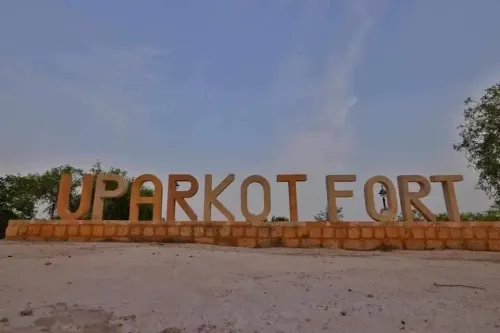
Pavagadh is part of the Champaner-Pavagadh Archaeological Park , a UNESCO World Heritage Site in Panchmahal district, Gujarat .
The project follows the central government's PRASHAD scheme framework and mirrors similar upgrades at Dwarka and Ambaji .
Key beneficiaries include pilgrims , local traders, and the broader tourism economy of Panchmahal district .
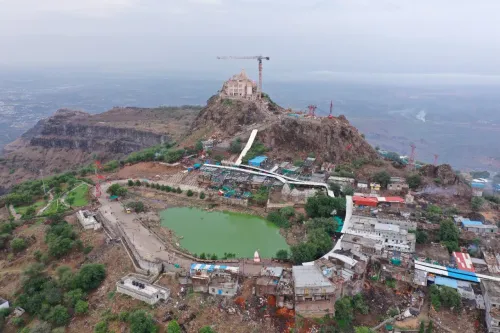
The Chief Minister's Office of Gujarat announced on Monday, 20 July 2026 that a four-phase Mega Master Plan worth over Rs 359 crore is underway at the renowned pilgrimage site of Pavagadh in Panchmahal district, with phases one and two already completed and phases three and four set to further elevate the Mahakali Mataji Shakti Peeth.
Context
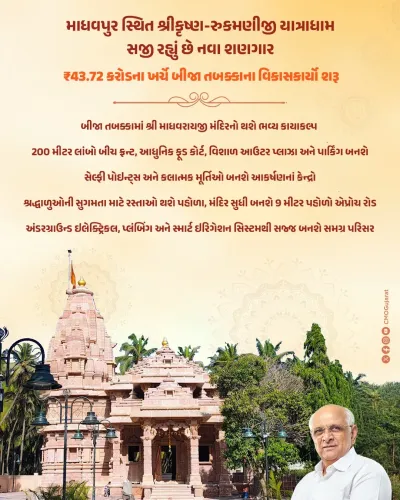
The CMO's post, shared in Gujarati under the hashtag #GujaratGauravGatha ('Gujarat's tale of pride'), states that the state government is undertaking 'grand and divine development' (bhavy-divy vikas) at Pavagadh under the guidance of Prime Minister Narendra Modi and the leadership of Chief Minister Bhupendra Patel. Phases one and two of the master plan have been declared complete, with large-scale pilgrim amenities and infrastructure works already delivered on the ground.
The post specifically notes that phases three and four, to be executed at a cost of Rs 238 crore, will make the famous Shakti Peeth 'more magnificent' and carry Gujarat's pride to new heights.
Policy Backdrop
Pavagadh is part of the Champaner-Pavagadh Archaeological Park, a UNESCO World Heritage Site, making infrastructure upgrades here particularly significant from both a heritage and tourism standpoint. The Kalika Mata Temple atop Pavagadh is one of the 51 Shakti Peeths revered across the subcontinent and draws hundreds of thousands of devotees annually.
The central government's PRASHAD scheme (Pilgrimage Rejuvenation and Spiritual Heritage Augmentation Drive), launched in 2014-15, provides a policy framework for exactly this kind of structured, phased investment in pilgrim infrastructure. Gujarat has previously executed similar multi-phase upgrades at Dwarka and Ambaji, establishing a state-level pattern of planned development at major religious destinations.
Stakeholders and Impact
The project's primary beneficiaries are the pilgrims who visit Pavagadh — a number that swells sharply during Navratri and other religious festivals. Improved access roads, rest facilities, sanitation, and connectivity directly reduce the physical hardship of the ascent to the hilltop temple.
Local traders, hospitality operators, and the broader Panchmahal district economy stand to gain from higher footfall and longer visitor stays once the upgraded infrastructure is in place. The project also aligns with the state's wider tourism-promotion agenda, positioning Gujarat's pilgrimage circuit as a structured, visitor-friendly destination.
What's Next
With phases one and two complete, attention now shifts to the execution timeline and quality of the Rs 238 crore phases three and four. Completion and utilisation reports for these phases will be closely watched by both the state administration and the pilgrim community.
The #GujaratGauravGatha framing signals that the government intends to continue highlighting pilgrimage-site development as a signature achievement in the run-up to future electoral cycles, with additional sites potentially entering the master-plan pipeline as state and central budget allocations are reviewed.
Point of View
Visitor-ready tourism destinations — a model that blurs the line between religious heritage and economic infrastructure. By invoking Prime Minister Modi's 'guidance' alongside CM Patel's 'leadership,' the CMO post reinforces a dual-credit political narrative that has become standard in BJP-governed states. The Rs 238 crore commitment for phases three and four, announced publicly before groundbreaking, serves as both a policy signal and a reputational stake — raising accountability expectations. Against the backdrop of the PRASHAD scheme and similar work at Dwarka and Ambaji, Pavagadh's upgrade cements Gujarat's position as the template state for faith-based infrastructure investment in India.
NationPress
21 Jul 2026
Frequently Asked Questions
What is the Pavagadh Mega Master Plan in Gujarat?
The Pavagadh Mega Master Plan is a four-phase infrastructure development project worth over Rs 359 crore being implemented by the Gujarat state government at the Pavagadh pilgrimage site in Panchmahal district. It aims to upgrade pilgrim amenities and infrastructure at the Mahakali Mataji Shakti Peeth.
How much has Gujarat spent on Pavagadh development?
The Gujarat government's total outlay for the Pavagadh Mega Master Plan is over Rs 359 crore. Of this, phases three and four alone are budgeted at Rs 238 crore, focused on further enhancing the Mahakali Shakti Peeth.
Which phases of the Pavagadh master plan are complete?
Phases one and two of the four-phase Mega Master Plan at Pavagadh have been completed, delivering large-scale pilgrim facilities and infrastructure improvements. Phases three and four, costing Rs 238 crore, are yet to be executed.
Is Pavagadh a UNESCO World Heritage Site?
Yes. Pavagadh is part of the Champaner-Pavagadh Archaeological Park, which was designated a UNESCO World Heritage Site. The Kalika Mata Temple atop the hill is one of the 51 revered Shakti Peeths.
What is the PRASHAD scheme and how does it relate to Pavagadh?
PRASHAD — Pilgrimage Rejuvenation and Spiritual Heritage Augmentation Drive — is a central government scheme launched in 2014-15 to fund infrastructure at pilgrimage destinations. Gujarat's phased development at Pavagadh aligns with this national framework, similar to upgrades already carried out at Dwarka and Ambaji.