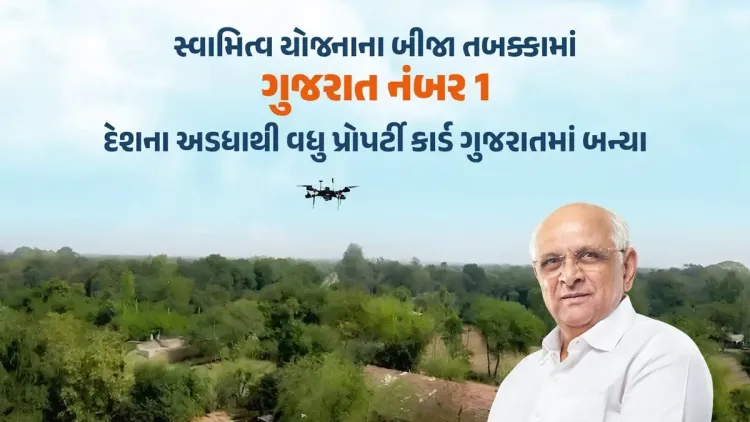
Gujarat tops Svamitva Phase 2, issues 50% of India's property cards
Synopsis
Gujarat has topped the country in PM Svamitva Yojana Phase 2, issuing over 18.50 lakh property cards across 11,511 villages via 14,900 drone flights — more than half of all cards issued nationally — enabling rural residents to access bank loans of up to ₹50 lakh.
Key Takeaways
Gujarat ranked first in India in the second phase of the PM Svamitva Yojana , as announced by the Chief Minister's Office on 22 June 2026 .
The state completed 14,900 drone flights to map and promulgate 11,511 villages , producing over 18.50 lakh property cards .
Gujarat's property cards represent more than 50 per cent of the total cards issued across India under Phase 2 of the scheme.
Cardholders can now use their property documents as collateral to access bank loans of up to ₹50 lakh .
The scheme was launched nationally on 24 April 2020 under the Ministry of Panchayati Raj , with a target of covering over 6 lakh villages.
Chief Minister Bhupendra Patel has been credited with steering Gujarat's leading implementation of the central programme.
The Chief Minister's Office of Gujarat announced on Monday, 22 June 2026 that Gujarat has ranked first in the country in the second phase of the PM Svamitva Yojana, with the state accounting for more than half of all property cards issued nationally under the programme.
Context
The post, shared by the CMO Gujarat official account, states that through 14,900 drone flights, a total of 11,511 villages across Gujarat have been accurately mapped and promulgated, resulting in the preparation of a record 18.50 lakh-plus property cards — more than 50 per cent of the total cards issued across India in Phase 2. The announcement was made under the hashtag #GujaratGauravGatha (Gujarat's story of pride).
The post credits Chief Minister Bhupendra Patel's guidance for Gujarat's leading position, describing the Svamitva scheme as a 'game changer' for rural India. It also acknowledges the broader rural empowerment agenda pursued by the central government under Prime Minister Narendra Modi over the past 12 years.
Policy Backdrop
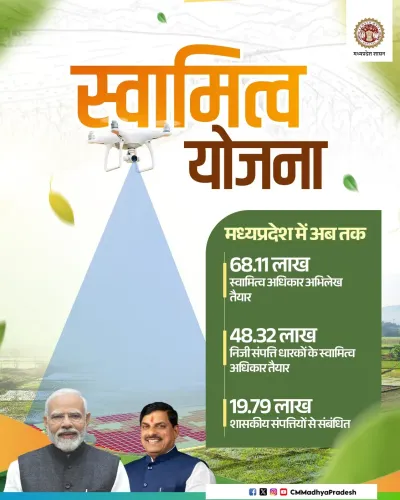
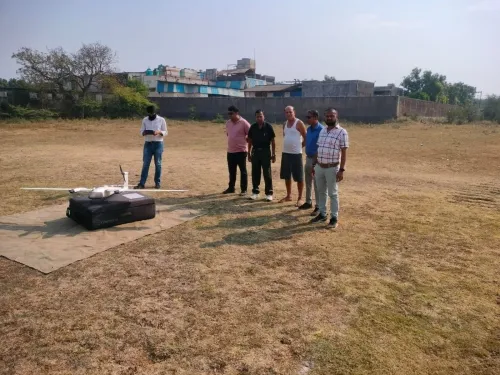
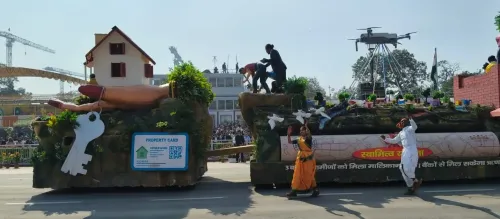
The PM Svamitva Yojana was launched by the Government of India on 24 April 2020 under the Ministry of Panchayati Raj, initially as a pilot in six states before a nationwide rollout in 2021. The scheme uses drone technology to survey inhabited land in villages, issue legal property cards (adhikar abhilekh), and thereby formalise ownership rights that were previously undocumented.
The programme sits within a wider policy framework of technology-enabled land record modernisation that the central government has pursued since 2014, including the Digital India Land Records Modernisation Programme. Formalising rural property rights is seen as a prerequisite for integrating village households into formal credit markets.
Stakeholders and Impact
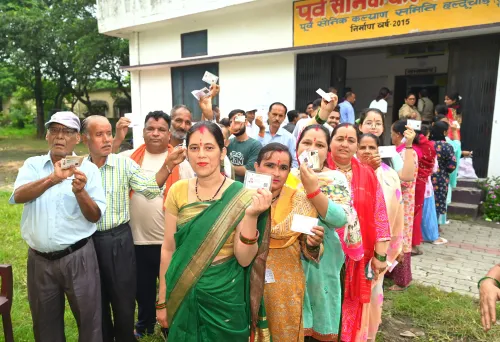
According to the CMO Gujarat post, property card holders in the state can now access bank loans of up to ₹50 lakh by using their cards as collateral — a facility previously unavailable to rural residents who lacked legally recognised title documents. This credit access is expected to stimulate rural economic activity and entrepreneurship.
Village panchayats and rural landowners are the primary beneficiaries. Clearer property records also reduce long-standing land disputes in villages, lowering the burden on local courts and administrative bodies. The initiative aligns with the central government's vision of a 'digital and self-reliant rural India' (digital aur aatmanirbhar gramin Bharat), as described in the post.
What's Next
The Ministry of Panchayati Raj has set a target of completing drone surveys across more than 6 lakh villages nationwide. Gujarat's reported performance in Phase 2 is likely to be cited as a benchmark as other states scale up their own survey operations.
Observers will watch for state-level data on the volume of loans actually sanctioned against Svamitva property cards, which will be a practical measure of whether the credit-access benefit is being realised on the ground. Progress on integrating the property card database with other government welfare delivery systems will also be a key indicator of the programme's long-term impact.
Point of View
A pattern visible across programmes from Jan Dhan to PMAY. For the BJP-led state government, the milestone carries political value ahead of the broader national narrative around rural formalisation, reinforcing Gujarat's positioning as a model for implementation. The credit-access dimension is the scheme's most consequential long-term lever: if loan uptake data matches the card issuance numbers, it could represent a structural shift in how rural Gujarat accesses capital. The real test, however, will be whether the pipeline from property card to sanctioned loan is functioning at the scale the headline figures suggest.
NationPress
21 Sept 2026
Frequently Asked Questions
What is the PM Svamitva Yojana and how does it work?
The PM Svamitva Yojana is a central government scheme launched on 24 April 2020 under the Ministry of Panchayati Raj. It uses drone technology to survey inhabited village land and issue legal property cards to rural residents, giving them formal ownership rights they can use to access bank loans and other government benefits.
Why has Gujarat topped the Svamitva scheme Phase 2?
According to the Chief Minister's Office of Gujarat, the state conducted 14,900 drone flights to map 11,511 villages and issued over 18.50 lakh property cards, which is more than 50 per cent of the total cards issued across India in Phase 2. The CMO credits Chief Minister Bhupendra Patel's guidance for this performance.
What loan amount can Gujarat villagers get with a Svamitva property card?
Rural residents in Gujarat who receive a property card under the Svamitva Yojana can use it as collateral to access bank loans of up to ₹50 lakh, according to the CMO Gujarat announcement.
How many villages in Gujarat have been covered under Svamitva Phase 2?
As per the CMO Gujarat post dated 22 June 2026, a total of 11,511 villages in Gujarat have been mapped and promulgated under Phase 2 of the PM Svamitva Yojana through 14,900 drone flights.
What is the national target for the Svamitva Yojana drone survey?
The Ministry of Panchayati Raj has set a target of completing drone surveys in more than 6 lakh villages across India under the PM Svamitva Yojana.