Gujarat eNAM: 3.2 crore quintals sold worth ₹12,740 crore, 8.7 lakh farmers onboard
Synopsis
Gujarat's eNAM numbers tell a quietly significant story: ₹12,740 crore worth of produce traded online, 8.7 lakh farmers onboard, and individual farmers reporting income gains of up to 20 per cent. The platform is turning digital agriculture from policy rhetoric into measurable rural income — but scale and last-mile access remain the real tests.
Key Takeaways
Over 3.20 crore quintals of agricultural produce worth ₹12,740.60 crore has been sold through eNAM in Gujarat .
Nearly 8.70 lakh farmers are among 8,87,865 registered stakeholders on the platform in the state.
144 mandis in Gujarat are registered with eNAM, which was launched by the Centre in 2016 .
Farmer Haresh Ghodasara reported a 15–20 per cent income increase over five years of using the platform.
Farmer Parbatbhai Patat reported earning an extra ₹200–₹500 per sale , a 5–7 per cent income boost.
The platform is managed by SFAC under the Union Ministry of Agriculture and implemented in Gujarat under CM Bhupendra Patel .
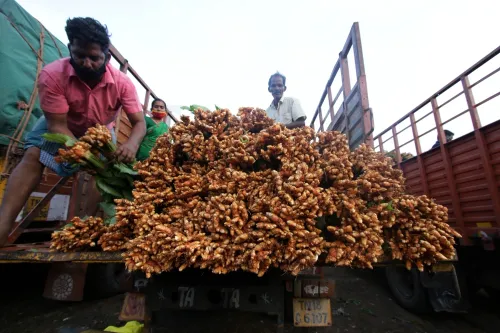
More than 3.20 crore quintals of agricultural produce worth ₹12,740.60 crore has been traded through the National Agriculture Market (eNAM) platform in Gujarat, with nearly 8.70 lakh farmers registered on the digital trading system, officials said on Friday, 23 October 2026. The figures underscore the growing adoption of online agricultural marketing in one of India's largest farm economies.
Scale of Gujarat's eNAM Participation
Gujarat currently has 8,87,865 registered stakeholders on the platform, comprising 8,69,922 farmers, 10,291 traders, 7,191 commission agents, and 461 Farmer Producer Organisations (FPOs). A total of 144 mandis across the state are registered with eNAM, making Gujarat one of the more active participants in the national network.
The platform is managed by the Small Farmers Agribusiness Consortium (SFAC) under the Union Ministry of Agriculture and was launched by the Centre in 2016. It connects markets regulated by Agricultural Produce Market Committees (APMCs) through a unified online marketplace, enabling quality-based auctions and direct bank transfers to farmers.
Farmers Report Higher Returns
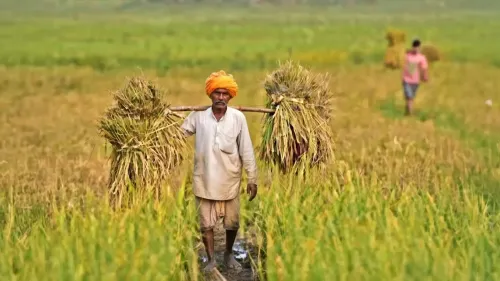
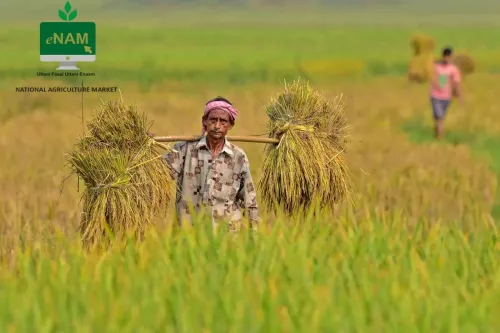
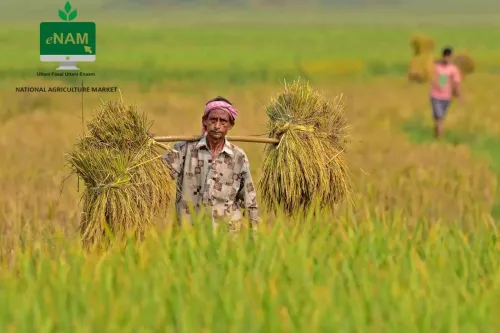
Parbatbhai Patat, a farmer associated with the Una Market Committee, has been selling groundnuts through eNAM for the past year. He said the process was faster than trading in traditional local markets and earned him an additional ₹200 to ₹500 per sale, boosting his overall income by around 5–7 per cent. 'The process is much faster, and we receive excellent prices,' Patat said, adding that direct bank payments had made transactions simpler and more convenient.
Haresh Ghodasara, associated with the Upleta Market Committee, has used eNAM for five years to sell cotton, groundnuts, and wheat. He credited the platform with raising his income by 15–20 per cent compared with local markets. 'Selling agricultural produce online through eNAM has been a game-changer. By directly connecting with traders, we save on commissions, and payments are deposited directly into our accounts,' Ghodasara said. Recalling his financial circumstances two decades ago, he added: 'Two decades ago, I had nothing. Today, because of the financial advantages of eNAM, I prefer selling my produce online.'
How eNAM Works
The platform facilitates online trading through quality-based auctions, allowing farmers to access prices determined by actual supply and demand rather than local intermediary rates. Its online payment mechanism transfers proceeds directly to farmers' bank accounts, reducing the role of commission agents and narrowing information gaps between sellers and buyers.
The system is intended to widen farmers' access to a broader pool of buyers, improve price discovery, and ensure transparent transactions — goals that align with the Centre's broader digital agriculture agenda.
State Government Push and What Comes Next
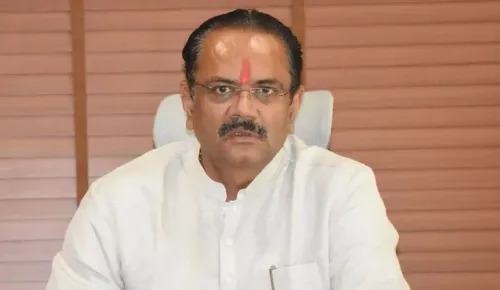
Gujarat's participation in eNAM has been implemented under Chief Minister Bhupendra Patel, as part of the state's wider effort to digitise agricultural marketing and connect farmers to markets beyond their immediate trading areas. This comes amid a national push to expand eNAM coverage and increase FPO participation across states. Analysts note that the real test of the platform's impact lies in whether income gains are sustained across crop cycles and extended to smaller, marginal farmers who may lack digital access. As more mandis come onboard, the quality of price signals and the depth of buyer participation will determine whether eNAM fulfils its promise at scale.
Point of View
And whether the income gains reported by a handful of farmers are representative or cherry-picked. With 144 mandis registered out of a far larger APMC network, and FPO participation at just 461, the platform's reach is still narrow relative to Gujarat's farm economy. The Centre's next challenge is not farmer testimonials but a credible, independent impact assessment across crop types and landholding sizes.
NationPress
23 Oct 2026
Frequently Asked Questions
What is the eNAM platform and how does it work?
eNAM, or the National Agriculture Market, is a unified online trading platform launched by the Centre in 2016 that connects APMC-regulated mandis across India. It enables quality-based auctions, allows farmers to access prices set by real supply and demand, and transfers payments directly to their bank accounts.
How much produce has been sold through eNAM in Gujarat?
More than 3.20 crore quintals of agricultural produce worth ₹12,740.60 crore has been traded through eNAM in Gujarat, according to officials. The state has 144 mandis registered on the platform.
How many farmers are registered on eNAM in Gujarat?
Nearly 8.70 lakh farmers — specifically 8,69,922 — are registered on eNAM in Gujarat, as part of a total of 8,87,865 stakeholders that also include traders, commission agents, and FPOs.
What income gains have Gujarat farmers seen from eNAM?
Farmer Haresh Ghodasara, who has used eNAM for five years, reported a 15–20 per cent income increase compared with local markets. Parbatbhai Patat reported an additional ₹200 to ₹500 per sale, translating to a 5–7 per cent income boost.
Who oversees eNAM and how is it implemented in Gujarat?
eNAM is managed by the Small Farmers Agribusiness Consortium (SFAC) under the Union Ministry of Agriculture. In Gujarat, the platform has been implemented under Chief Minister Bhupendra Patel as part of the state's digital agriculture initiative.