Gujarat fuel panic buying pushes sales up 80%, supply stable: Officials
Synopsis
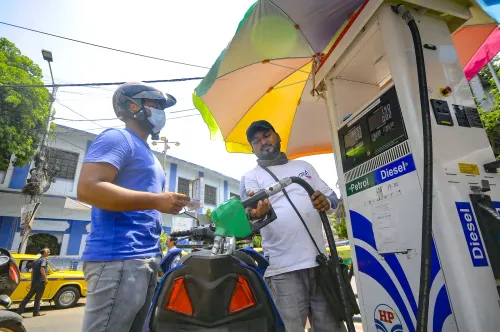
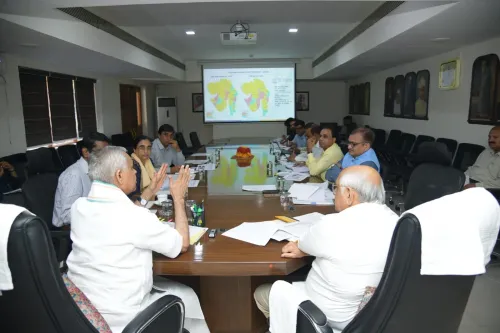
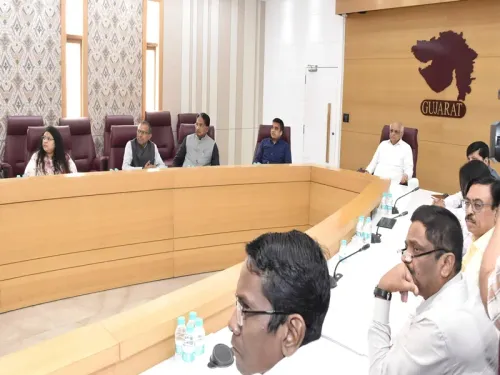
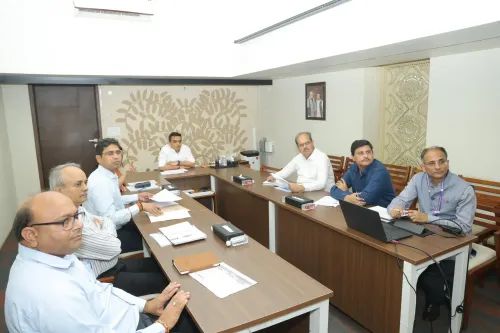
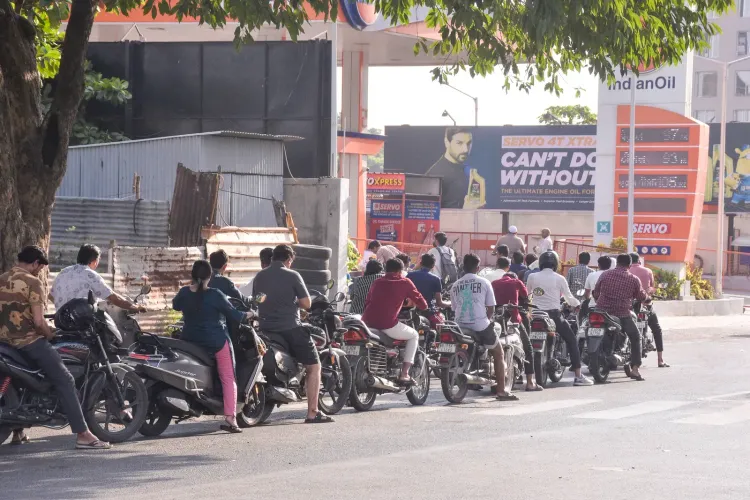
Gujarat's fuel distribution system is under pressure — not from a real shortage, but from panic buying that has pushed monthly sales up over 80 per cent. Petrol stations are running dry briefly because demand is outpacing replenishment cycles, not because supply has been cut. Officials are holding near-daily crisis coordination meetings with IOCL, BPCL, and HPCL to keep tankers moving to high-demand zones.
Key Takeaways
Public sector oil marketing companies in Gujarat recorded a monthly fuel sales growth of over 80 per cent , attributed to panic buying.
Short-duration gaps at petrol pumps are caused by rapid stock turnover during replenishment cycles — not a structural supply shortage, officials said.
The Department of Food, Civil Supplies and Consumer Affairs is conducting near-daily coordination with IOCL , BPCL , and HPCL to direct priority tanker movements.
No restrictions have been imposed on refuelling vehicle tanks; diesel allocations for agriculture (up to 200 litres ) and mobile towers (up to 1,000 litres ) remain permitted.
Authorities have urged citizens to ignore social media rumours about fuel shortages, stating that adequate stocks are available across the state.
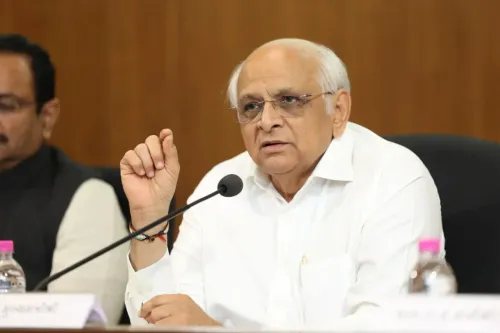
Gujarat is witnessing an over 80 per cent monthly surge in fuel sales at public sector petrol pumps, driven primarily by panic buying rather than any actual shortage in supply, according to the Department of Food, Civil Supplies and Consumer Affairs. Officials confirmed on Monday, 25 May that the overall supply situation across the state remains normal, urging citizens to disregard rumours circulating on social media.
What Is Causing the Disruption
The spike in sales has created a situation where fuel arriving at stations is being sold almost immediately, resulting in short-duration gaps during replenishment cycles from terminals. The department clarified that these interruptions are not linked to any structural shortage in supply — they are a direct consequence of rapid stock turnover triggered by panic buying. Localised and brief availability pressures have been reported across parts of Gujarat.
How the Government Is Responding
Authorities are undertaking continuous monitoring and data collection across all districts, identifying petrol pumps reporting low or no stock and mapping areas of higher demand. Regular coordination meetings are being held with the three major public sector oil marketing companies — Indian Oil Corporation Limited (IOCL), Bharat Petroleum Corporation Limited (BPCL), and Hindustan Petroleum Corporation Limited (HPCL) — on a near-daily basis. Priority tanker movements are being directed to locations where stock levels are low.
District-Level Oversight and Grievance Redressal
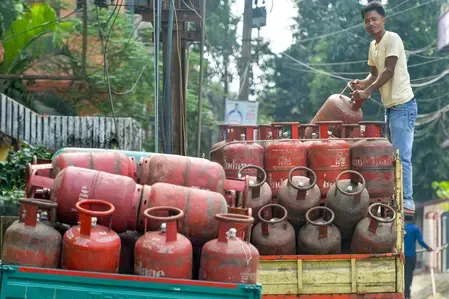
Structured coordination with district administration is being conducted through video conferencing, with District Supply Officers instructed to monitor petrol and diesel inventories and prevent any unauthorised sale or storage of fuel. Daily reports covering supply data for petrol, diesel, and LPG across Gujarat are being compiled and used to issue operational directions to both district-level authorities and oil marketing companies. The department also operates a dedicated grievance redressal mechanism to address complaints related to 'petrol pump dry out' situations, with media reports of shortages being verified and acted upon.
What Remains Permitted
The state government confirmed that no restrictions have been imposed on refuelling vehicle tanks. Diesel allocations remain permitted for agricultural use up to 200 litres in barrels, up to 1,000 litres for mobile towers, and for infrastructure and industrial requirements where direct refuelling at pumps is not feasible, based on prior usage patterns.
Official Reassurance to Citizens
Authorities have explicitly urged citizens not to believe rumours about fuel shortages spreading on social media, stating that adequate stocks of petrol and diesel are available. This is not the first time panic buying has strained local fuel distribution in India — similar episodes have been recorded in other states during periods of geopolitical tension or rumour-driven demand spikes. Officials maintain that targeted logistical interventions are sufficient to stabilise the situation without imposing any supply-side restrictions.
Point of View
Driven by rumour rather than reality, can create visible dry-outs that then validate the original panic. The government's near-daily war-room approach with IOCL, BPCL, and HPCL is operationally sensible, but the deeper question is why terminal-to-pump replenishment cycles are not resilient enough to absorb a demand surge. As long as buffer stock norms at retail outlets remain minimal, the next rumour cycle will produce the same outcome.
NationPress
24 Sept 2026
Frequently Asked Questions
Why is there a fuel shortage in Gujarat?
There is no structural fuel shortage in Gujarat. The disruption is caused by panic buying, which has pushed monthly sales up over 80 per cent, causing petrol stations to sell out faster than replenishment cycles can keep up. Officials from the Department of Food, Civil Supplies and Consumer Affairs confirmed on 25 May that overall supply remains normal.
Is the Gujarat government restricting fuel purchases?
No. The state government has confirmed that no restrictions have been imposed on refuelling vehicle tanks. Diesel allocations for agriculture (up to 200 litres), mobile towers (up to 1,000 litres), and industrial use also remain permitted as before.
Which oil companies are involved in managing Gujarat's fuel supply?
Indian Oil Corporation Limited (IOCL), Bharat Petroleum Corporation Limited (BPCL), and Hindustan Petroleum Corporation Limited (HPCL) are the three public sector oil marketing companies coordinating with the Gujarat government on near-daily supply reviews and priority tanker movements.
What should citizens do if their local petrol pump is dry?
The Department of Food, Civil Supplies and Consumer Affairs operates a grievance redressal mechanism for 'petrol pump dry out' complaints. Citizens can register complaints, which are followed up in coordination with district authorities and oil companies. Officials also verify and act on media reports of shortages.
How long will the fuel availability disruption in Gujarat last?
Officials have not given a specific timeline but maintain that the situation is being actively managed through daily monitoring, priority tanker dispatches, and district-level oversight. Since the disruption is demand-driven rather than supply-driven, it is expected to ease once panic buying subsides.