Gujarat installs 9.08 lakh rooftop solar systems, hits 90% of PM Surya Ghar target
Synopsis
Gujarat has quietly become India's rooftop solar powerhouse — 9.08 lakh homes now generate their own electricity under PM Surya Ghar, covering 90% of the state's 10-lakh target with over a year to spare. With 3,408 MW of capacity and an 18.21% national share, the state's combination of deep subsidies, waived charges, and a 5% cost cap for SC/ST families is proving to be the most effective state-level clean energy rollout in India.
Key Takeaways
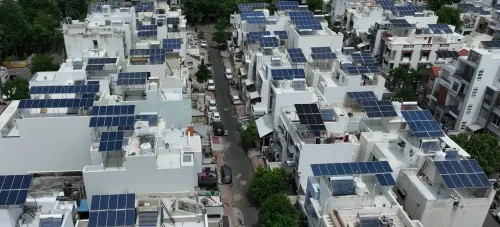
Gujarat has installed 9.08 lakh rooftop solar systems under PM Surya Ghar: Muft Bijli Yojana , reaching 90% of its 10-lakh target.
Combined installed capacity under the scheme is 3,408 MW — the highest of any state in India.
Gujarat accounts for 18.21% of total national rooftop solar capacity under the scheme.
SC and ST households pay only 5% of the benchmark cost for systems up to 2.18 kWp ; other consumers pay 10% .
Gujarat's total renewable energy capacity stood at 55,511.46 MW as of 30 September 2026 , representing 18.55% of India's national total.
Solar power accounts for 36,234.55 MW and wind for 17,043.76 MW of the state's renewable mix.
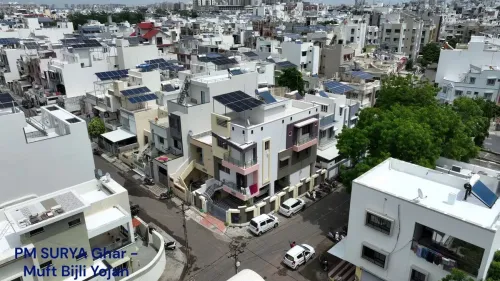
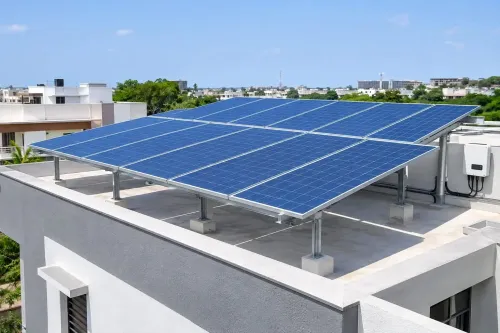
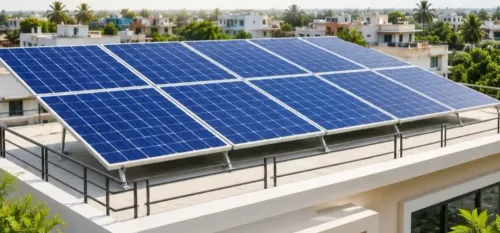
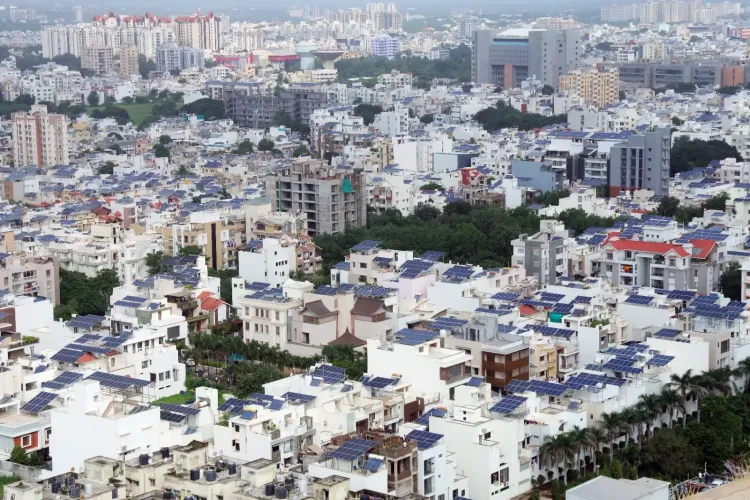
Gujarat has installed 9.08 lakh rooftop solar systems under the Centre's PM Surya Ghar: Muft Bijli Yojana, reaching 90 per cent of its target of 10 lakh residential installations by March 2027, state officials said on Monday, 2 November 2026. The combined capacity of these systems stands at 3,408 MW, making Gujarat the top-ranked state in India for installed rooftop solar capacity under the scheme.
Gujarat Leads the Nation
The state now accounts for 18.21 per cent of the total rooftop solar capacity installed nationally under the PM Surya Ghar scheme. This milestone comes as Gandhinagar intensifies its drive to expand renewable energy generation and cut dependence on conventional power sources. Chief Minister Bhupendra Patel's government had set the 10-lakh-unit residential target with a deadline of March 2027, and at the current pace, the state is on track to cross that mark well before the deadline.
Subsidies and Incentives Driving Adoption
A layered financial assistance structure has been central to the scheme's uptake. Residential consumers installing systems of up to 6 kW receive state assistance of ₹2,950 towards regulatory charges. The government has also waived network strengthening charges and removed the mandatory net metering agreement requirement, both of which had previously been cited as procedural barriers.
For Scheduled Caste (SC) and Scheduled Tribe (ST) households installing systems of up to 2.18 kilowatt-peak (kWp), the consumer contribution has been capped at just 5 per cent of the prescribed benchmark cost. Other residential consumers contribute 10 per cent. The remaining cost, after accounting for both Central government assistance and the consumer's share, is borne by the state government.
Additionally, domestic consumers are exempt from banking charges, and there is no restriction on connected load for rooftop solar at residential premises. Households can also sell surplus electricity back to the grid through net metering, which records both consumption and export.
Gujarat's Broader Renewable Energy Footprint
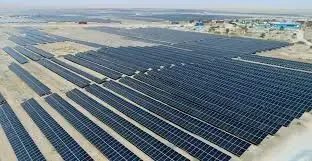
The rooftop solar push sits within a much larger renewable energy story. As of 30 September 2026, Gujarat's total installed renewable energy capacity stood at 55,511.46 MW, representing 18.55 per cent of India's overall renewable energy capacity. Solar power alone accounted for 36,234.55 MW — equivalent to 21.2 per cent of India's total solar capacity. Wind energy added another 17,043.76 MW, making up 28.8 per cent of the national wind total.
These numbers reinforce Gujarat's standing as the country's most significant renewable energy hub, a position it has consolidated over successive state solar policies.
National Targets in the Background
Prime Minister Narendra Modi has set a national target of achieving net-zero emissions by 2070, while India aims to source 50 per cent of its electricity from renewables by 2030. Gujarat's progress under PM Surya Ghar directly contributes to both benchmarks — at the household level, the scheme reduces grid demand and lowers per-unit electricity costs for consumers through free or subsidised generation.
With 91,500 more installations needed to reach the 10-lakh mark, and momentum clearly on the state's side, the March 2027 target now looks well within reach.
Point of View
But the more significant story is in the incentive architecture — a near-zero cost entry for SC/ST households and the removal of net metering bureaucracy are the kind of structural changes that actually move adoption curves in rural and semi-urban India. Other states have announced solar targets with far less policy scaffolding and have stalled well short of them. The real test is whether this model gets replicated nationally, since India's 2030 renewable target of 50% of electricity needs is a collective obligation, not a Gujarat-only project. If it doesn't, the country risks arriving at its clean energy deadlines with most of the heavy lifting done by one or two states.
NationPress
2 Nov 2026
Frequently Asked Questions
What is PM Surya Ghar: Muft Bijli Yojana?
PM Surya Ghar: Muft Bijli Yojana is a Central government scheme that subsidises rooftop solar installations for residential households across India, with the goal of reducing electricity costs and expanding renewable energy generation. Gujarat has installed 9.08 lakh systems under the scheme as of November 2026, the most of any state.
How much rooftop solar capacity has Gujarat installed under the scheme?
Gujarat has installed rooftop solar systems with a combined capacity of 3,408 MW under PM Surya Ghar, making it the leading state in India. This represents 18.21% of the total rooftop solar capacity installed nationally under the scheme.
What financial assistance is available to Gujarat households under the scheme?
Residential consumers installing systems up to 6 kW receive state assistance of ₹2,950 towards regulatory charges, and the government has waived network strengthening charges. SC and ST households pay only 5% of the benchmark cost for systems up to 2.18 kWp, while other consumers pay 10%; the state covers the remainder after Central subsidies.
When is Gujarat's rooftop solar target deadline?
The state government under Chief Minister Bhupendra Patel has set a target of 10 lakh residential rooftop solar installations by March 2027. With 9.08 lakh systems already installed — 90% of the target — the state is on track to meet this deadline.
How does Gujarat's overall renewable energy capacity compare nationally?
As of 30 September 2026, Gujarat's total installed renewable energy capacity stood at 55,511.46 MW, accounting for 18.55% of India's overall renewable energy capacity. Solar power contributed 36,234.55 MW (21.2% of India's solar total) and wind energy 17,043.76 MW (28.8% of the national wind total).