Gujarat signs MoUs with Scotland on energy, sports ahead of CWG 2030
Synopsis
Gujarat and Scotland have formalised ties through a set of MoUs spanning offshore energy, sports, education and trade — with Chief Minister Bhupendra Patel committing to send a delegation to Scotland to absorb its offshore energy expertise. The timing is pointed: Gujarat is gearing up to host the 2030 Commonwealth Games, and Scotland will host the 2026 edition in Glasgow, making this partnership as much about event know-how as clean energy.
Key Takeaways
Gujarat and Scotland signed MoUs on 23 October covering renewable energy, sports, education, trade and investment.
Chief Minister Bhupendra Patel announced a delegation will travel to Scotland to study its offshore energy expertise.
Gujarat holds the longest coastline among Indian states , giving it significant offshore energy potential.
First Minister John Swinney expressed confidence the agreements would open opportunities in culture, sports, renewable energy and life sciences.
The partnership also targets learnings from Glasgow's 2026 Commonwealth Games to aid Gujarat's preparations for the 2030 Commonwealth Games .
Academic, research and cultural exchanges between institutions in both regions are envisaged under the MoU framework.
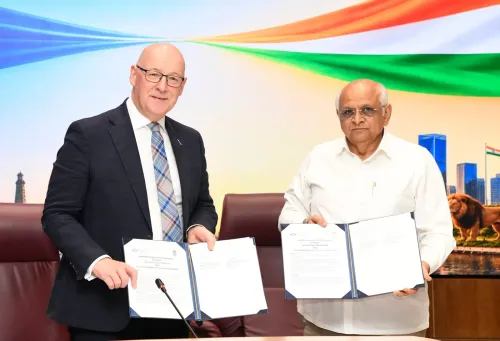
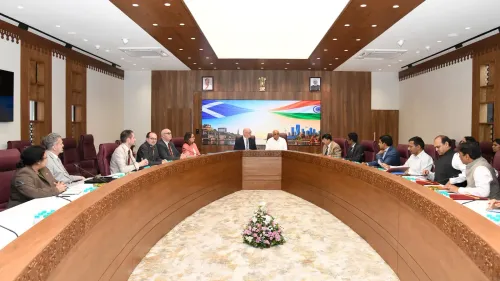
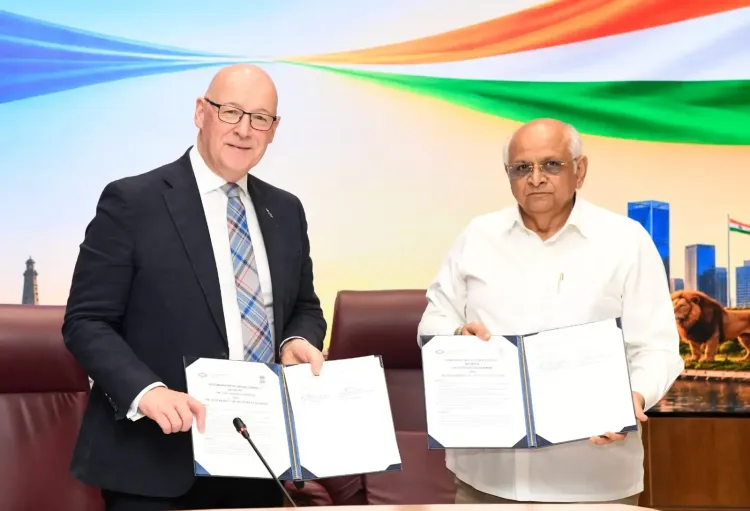
Gujarat will send a delegation to Scotland to study its expertise in offshore energy, Chief Minister Bhupendra Patel announced on Friday, 23 October, after the state government signed a set of memorandums of understanding (MoUs) with the Scottish Government covering renewable energy, sports, education, trade and investment. The agreements were inked in Gandhinagar in the presence of Patel and Scotland's First Minister John Swinney, who led a visiting delegation.
What the MoUs Cover
The agreements establish a formal framework for cooperation across trade and investment, entrepreneurship, research, education, skill development, energy and sustainability. They also envisage the exchange of knowledge, expertise and best practices, along with institutional partnerships between businesses, universities, colleges and other organisations in the two regions. Long-term ties in culture, heritage and creative industries are also part of the framework.
Offshore Energy at the Centre
'Gujarat, which has the longest coastline among Indian states, has significant potential for offshore energy,' Patel said, describing the state as a leader in renewable energy in India. He noted that cooperation with Scotland — itself a global reference point for offshore wind and marine energy — could provide fresh momentum to the state's clean-energy ambitions. First Minister Swinney expressed confidence that the agreements 'would create new opportunities in culture, sports, renewable energy and life sciences,' and said Scotland was keen to share its offshore energy experience with Gujarat.
Commonwealth Games 2030 in the Frame
The agreements carry added significance as Gujarat prepares to host the 2030 Commonwealth Games. The state is expected to draw on Scotland's experience of organising the 2026 Commonwealth Games in Glasgow, including event preparations, infrastructure development and the promotion of physical activity and fitness. This makes the sports and education provisions of the MoUs particularly time-sensitive.
What Officials Said
Chief Secretary M K Das welcomed the Scottish delegation and outlined collaboration opportunities in sports, renewable energy, economic partnerships and cultural exchange. He said the agreements 'would help connect businesses, institutions and experts to support the transition towards a more sustainable economy.' Das added that academic and research collaboration could strengthen links between educational institutions in Gujarat and Scotland, encouraging exchanges involving students, researchers and teachers.
Executive Additional Chief Secretary of the Industries Department Rajeev Topno expressed confidence that the MoUs would 'encourage dialogue, trust and partnerships in education, skill development, sports and energy.' The meeting was also attended by Principal Secretary to the Chief Minister Sanjeev Kumar, principal secretaries of the Urban Development and Education departments, and Additional Principal Secretary to the Chief Minister Vikrant Pandey, among other senior officials.
Broader Context
This is the latest in a series of international partnerships Gujarat has pursued as it positions itself as India's premier investment and clean-energy destination. The Scotland tie-up follows the state's active outreach at global investor summits and aligns with India's broader net-zero commitments. With the 2030 Commonwealth Games less than four years away, the sports-infrastructure and event-management learnings from Glasgow's upcoming hosting are expected to inform Gujarat's own preparations directly. All eyes will now be on the composition and mandate of the offshore energy delegation that Gandhinagar is set to dispatch to Scotland.
Point of View
And Scotland — a world benchmark in that space — offers exactly that. But the real test will be whether the delegation produces actionable policy or remains a study tour. The Commonwealth Games thread is the more urgent one: with 2030 approaching, any gap between Glasgow's execution model and Gujarat's readiness could prove costly. Whether this bilateral framework translates into concrete infrastructure timelines and technology transfer agreements, rather than goodwill declarations, is what deserves scrutiny.
NationPress
23 Oct 2026
Frequently Asked Questions
What MoUs did Gujarat and Scotland sign on 23 October?
Gujarat and Scotland signed memorandums of understanding covering renewable energy, sports, education, trade and investment, entrepreneurship, research and skill development. The agreements were signed in Gandhinagar in the presence of Chief Minister Bhupendra Patel and Scotland's First Minister John Swinney.
Why is Gujarat sending a delegation to Scotland for offshore energy?
Gujarat has the longest coastline among Indian states, giving it significant offshore energy potential, and Scotland is recognised globally for its expertise in offshore wind and marine energy. Chief Minister Bhupendra Patel said cooperation with Scotland could provide further momentum to the state's renewable energy efforts.
How is this tied to the 2030 Commonwealth Games?
Gujarat is set to host the 2030 Commonwealth Games and is expected to draw on Scotland's experience of organising the 2026 Commonwealth Games in Glasgow. The sports and infrastructure provisions of the MoUs are aimed at informing Gujarat's event preparations, infrastructure development and fitness promotion programmes.
What did Scotland's First Minister John Swinney say about the agreements?
First Minister John Swinney said he was confident the agreements would 'create new opportunities in culture, sports, renewable energy and life sciences.' He also expressed interest in sharing Scotland's experience in offshore energy directly with Gujarat.
Who attended the signing in Gandhinagar?
The signing was attended by Chief Secretary M K Das, Principal Secretary to the Chief Minister Sanjeev Kumar, Additional Principal Secretary Vikrant Pandey, principal secretaries of the Urban Development and Education departments, Executive Additional Chief Secretary of the Industries Department Rajeev Topno, and other senior Gujarat government officials alongside the Scottish delegation.