NEET aspirant Kahan Patel's death: Candle march held in Ahmedabad
Synopsis
A 17-year-old NEET aspirant's death by suicide in Ahmedabad has triggered a candle march under 'Chhatron Ki Gunj', with students and Congress leaders demanding accountability over alleged examination irregularities. The protest underscores a deepening crisis of student mental health and exam integrity in India's high-stakes competitive testing system.
Key Takeaways
Kahan Patel , a 17-year-old NEET aspirant from Ahmedabad , died by suicide after reportedly jumping from the sixth floor of a residential building.
A candle march titled 'Chhatron Ki Gunj' was held on 27 June in Ahmedabad from Rajiv Gandhi Bhavan to Town Hall .
Participants demanded strict legal action against those responsible for examination irregularities and called for a transparent, accountable exam system.
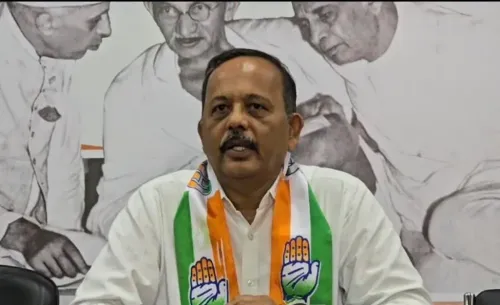
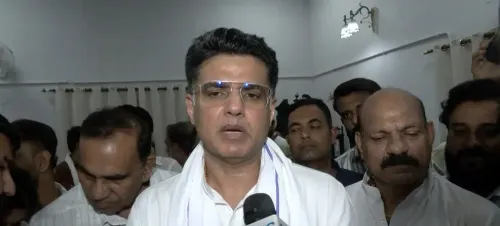
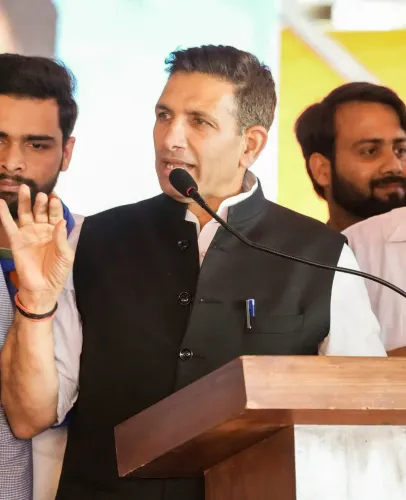
AICC national secretary Ramkishan Oza , GPCC spokesperson Dr Manish Doshi , and Gujarat NSUI president Narendra Solanki were among leaders present.
Organisers linked Patel's death to distress over examination pressure and uncertainty stemming from alleged NEET paper leaks and malpractice.
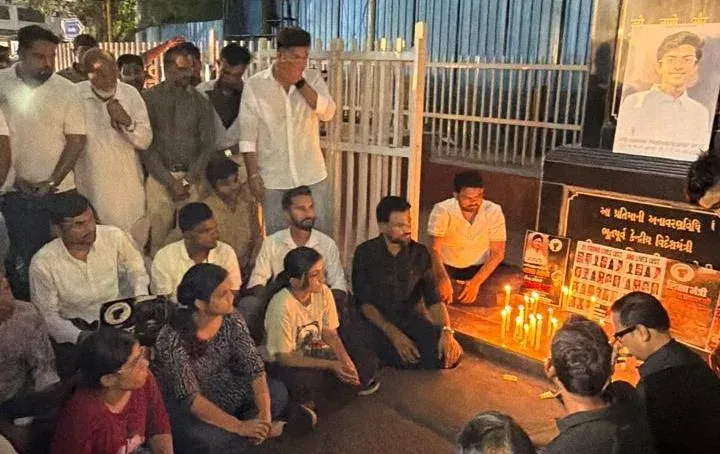
Students and Congress workers in Ahmedabad held a candle march on Saturday, 27 June under the banner 'Chhatron Ki Gunj', paying tribute to Kahan Patel, a 17-year-old NEET aspirant from the city who died after reportedly jumping from the sixth floor of a residential building. The demonstration also raised broader concerns over alleged examination irregularities and the psychological toll of competitive exam disruptions on students across India.
The March and Its Route
The procession moved from Rajiv Gandhi Bhavan to the statue of Swami Vivekananda at Town Hall, drawing students, youth leaders, and citizens. Organised by youth groups, the event brought together members of the National Students' Union of India (NSUI), Youth Congress, and associates of Kahan Patel alongside college students from across the city.
Participants said repeated incidents of examination malpractice — including those linked to national-level medical entrance tests such as NEET — had created anxiety, uncertainty, and psychological stress among students. Organisers said Patel had died by suicide amid distress related to examination pressure and uncertainty surrounding the examination process.
Demands Raised by Participants
Speakers at the march demanded strict legal action against those responsible for examination-related irregularities. They also called for systemic reforms to make the examination process more transparent, reliable, and accountable, and for stronger safeguards to prevent students' academic futures from being derailed by administrative failures or malpractice.
'The purpose of this initiative was to provide a platform for students to voice concerns over education-related issues and to draw public attention to the need for transparency in the examination system,' organisers said.
Political and Student Leaders Present
Several prominent figures attended the march, including All India Congress Committee (AICC) national secretary Ramkishan Oza, Gujarat Pradesh Congress Committee (GPCC) chief spokesperson Dr Manish Doshi, Gujarat Youth Congress president Praveensinh Vanol, Gujarat NSUI president Narendra Solanki, Ahmedabad City Congress Committee president Sonal Patel, and AICC Minority Department national vice president Shahnawaz Sheikh.
Broader Context: NEET and Exam Integrity Concerns
Patel's death came amid sustained student concern over the impact of examination disruptions and alleged paper leaks affecting national-level competitive tests. This is not an isolated incident — student communities across India have reported heightened anxiety in the wake of recurring controversies surrounding high-stakes entrance examinations. Calls for an independent, transparent examination authority have grown louder in recent months, with student unions and opposition parties demanding accountability from regulatory bodies.
The march signals that public pressure over examination integrity is intensifying, and the demand for systemic reform is unlikely to recede without concrete government action.
Point of View
Not an isolated tragedy. India's high-stakes entrance examination ecosystem — where a single test can determine a student's entire career trajectory — has long been a pressure cooker, and allegations of paper leaks only amplify the sense of injustice for students who prepare for years under extreme stress. The Congress's presence at the march is politically convenient, but it does not diminish the legitimacy of the core demand: an independent, tamper-proof examination authority. What is missing from the public discourse is accountability at the institutional level — not just prosecutions after leaks, but structural reform that decouples a student's future from a single high-stakes, vulnerability-prone test.
NationPress
27 Jun 2026
Frequently Asked Questions
Who was Kahan Patel?
Kahan Patel was a 17-year-old NEET aspirant from Ahmedabad, Gujarat, who died by suicide after reportedly jumping from the sixth floor of a residential building. Organisers of the candle march said his death was linked to distress over examination pressure and uncertainty surrounding the examination process.
What was the 'Chhatron Ki Gunj' candle march about?
'Chhatron Ki Gunj' was a candle march held in Ahmedabad on 27 June to pay tribute to Kahan Patel and raise concerns over alleged examination irregularities, paper leaks, and the psychological impact of competitive exam disruptions on students. Participants demanded transparency and accountability in India's examination system.
Which leaders attended the Ahmedabad candle march?
Senior Congress and student organisation leaders attended, including AICC national secretary Ramkishan Oza, GPCC chief spokesperson Dr Manish Doshi, Gujarat Youth Congress president Praveensinh Vanol, Gujarat NSUI president Narendra Solanki, and Ahmedabad City Congress Committee president Sonal Patel.
What demands did marchers make?
Participants demanded strict legal action against those responsible for examination irregularities, comprehensive reforms to make the examination system transparent and accountable, and stronger safeguards to protect students' academic futures from administrative failures or malpractice.
How does this relate to the broader NEET controversy?
The march took place amid sustained national concern over alleged paper leaks and irregularities in NEET and other competitive examinations. Student groups and opposition parties have been calling for systemic reform of examination bodies, arguing that recurring malpractice incidents unfairly penalise honest students and contribute to severe psychological stress.