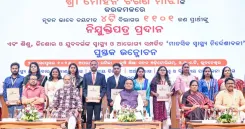
HP CM Office Announces Push for Education, Eco-Tourism, MSP on Rajma

Synopsis
The Chief Minister's Office of Himachal Pradesh on 27 June 2026 announced four welfare measures: higher-education incentives for children, eco-tourism promotion, an MSP for naturally grown rajma, and fair-price meat procurement from sheep herders — signalling a broad rural and economic policy push.
Key Takeaways
The CMO Himachal Pradesh announced four policy measures on 27 June 2026 covering education, tourism, and agriculture.
An MSP for naturally grown rajma is proposed, targeting smallholder farmers in high-altitude districts.
Sheep herders will be able to sell meat at fair government-determined prices under the proposed procurement mechanism.
Eco-tourism promotion is included as a measure to generate rural income while leveraging the state's natural landscape.
Children will receive higher-education incentives , though specific financial details have not yet been disclosed.
Formal scheme notifications, rates, and timelines are yet to be announced by the state government.
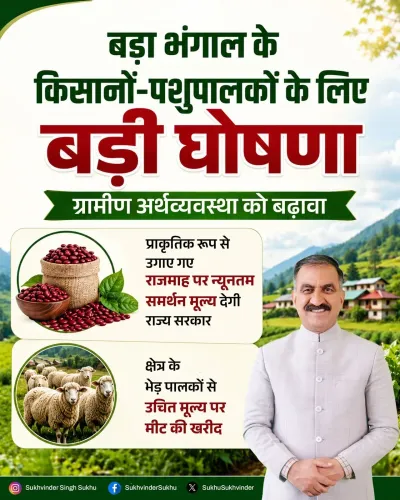
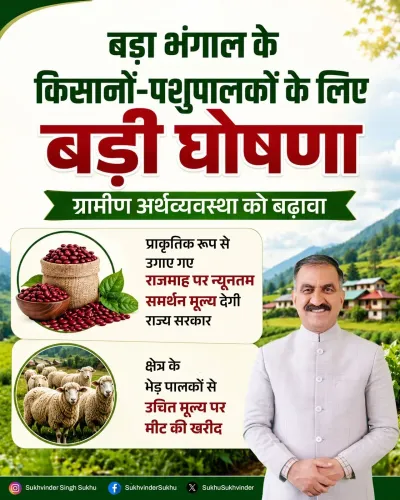
The Chief Minister's Office of Himachal Pradesh on Saturday, 27 June 2026 outlined a multi-pronged policy push covering higher education incentives for children, promotion of eco-tourism, a minimum support price (MSP) for naturally grown rajma (kidney beans), and fair-price procurement of meat from sheep herders across the state.
Context
The post, shared by the official CMO Himachal Pradesh handle, lists four distinct welfare and economic measures in bullet-point form. Translated from Hindi, the announcements cover: encouraging children toward higher education; boosting eco-tourism; fixing an MSP for prakritik roop se ugaye gaye rajmah (naturally grown kidney beans); and purchasing meat from bhed palak (sheep herders) at fair prices. While the post does not specify individual scheme names or monetary figures, it signals a broad policy direction from the state government.
Policy Backdrop
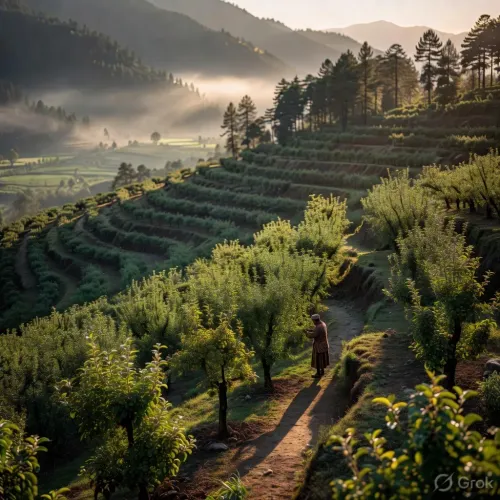
Himachal Pradesh has historically relied on agriculture, horticulture, and tourism as economic pillars. Rajma cultivation is especially significant in the higher-altitude districts of Kullu, Lahaul-Spiti, Chamba, and Kangra, where the crop is grown organically under traditional methods. An MSP for naturally grown rajma would directly benefit smallholder mountain farmers who otherwise sell at distress prices to middlemen.
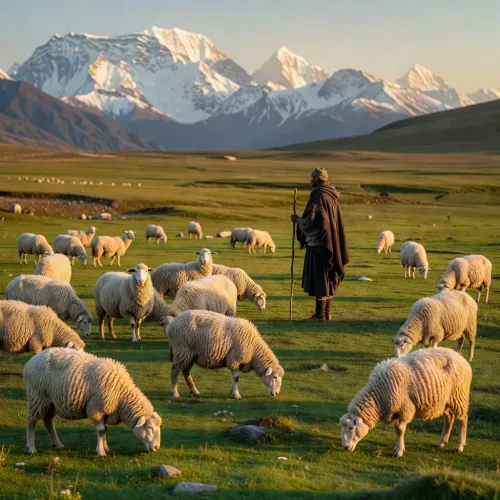
Sheep herding, a centuries-old livelihood for the gaddi and other pastoral communities of the state, has faced pressure from declining pasture access and poor market linkages. A government-backed fair-price meat procurement mechanism would represent a significant intervention for these communities. On the eco-tourism front, Himachal Pradesh possesses vast forest and alpine terrain, and structured eco-tourism policy has been on the agenda of successive state governments as a way to generate rural income while conserving biodiversity.
Stakeholders and Impact
The four measures, if implemented through formal schemes, would touch several distinct groups: students from economically weaker sections aspiring to college and university education; mountain farmers dependent on rajma as a cash crop; pastoral communities raising sheep; and local communities in ecologically sensitive zones who stand to benefit from regulated tourism revenue. Together, these groups represent a substantial share of Himachal Pradesh's rural population.
The inclusion of an MSP for a niche crop like naturally grown rajma is notable, as it aligns with a broader national conversation around rewarding natural and organic farming practices. Similarly, fair-price meat procurement echoes demands that pastoral communities across the Himalayan belt have raised for years, seeking parity with crop-farming support systems.
What's Next
The CMO's announcement does not yet carry the specifics — rates, implementing agencies, timelines, or budgetary allocations — that would allow each measure to be operationalised. Formal government orders or budget notifications are expected to follow. Observers will watch whether the eco-tourism push is accompanied by environmental safeguards, and whether the rajma MSP is backed by a procurement infrastructure comparable to that available for paddy or wheat farmers in the plains. The breadth of the announcements suggests these may form part of a larger policy package to be detailed in the days ahead.
Point of View
Mountain farmers, pastoral communities, and eco-tourism stakeholders — suggesting the state government is broadening its welfare narrative beyond traditional agriculture support. The inclusion of an MSP for naturally grown rajma is particularly significant: it implicitly endorses natural farming over chemical inputs, aligning the state with a policy direction that has gained traction nationally. The fair-price meat procurement pledge for sheep herders addresses a long-standing gap in pastoral welfare, a community that has historically been excluded from formal agricultural safety nets. Whether these signals translate into operational schemes with adequate budgetary backing will determine their political and economic impact.
NationPress
26 Sept 2026
Frequently Asked Questions
What did the Himachal Pradesh CMO announce on 27 June 2026?
The Chief Minister's Office of Himachal Pradesh announced four measures: higher-education incentives for children, promotion of eco-tourism, an MSP for naturally grown rajma, and fair-price procurement of meat from sheep herders.
What is the MSP for rajma in Himachal Pradesh?
The CMO has announced an intention to fix an MSP for naturally grown rajma, but specific rates and implementation details have not yet been disclosed.
How will sheep herders benefit from the Himachal Pradesh government's new announcement?
The state government has proposed purchasing meat from sheep herders at fair prices, which would provide pastoral communities with a guaranteed market and reduce their dependence on middlemen.
What is Himachal Pradesh's eco-tourism plan?
The CMO has indicated a push to promote eco-tourism, leveraging the state's forests and alpine terrain to generate rural income, though a detailed policy framework is yet to be released.
Which districts grow rajma in Himachal Pradesh?
Rajma is primarily cultivated in high-altitude districts of Himachal Pradesh including Kullu, Lahaul-Spiti, Chamba, and Kangra, where it is traditionally grown using natural farming methods.