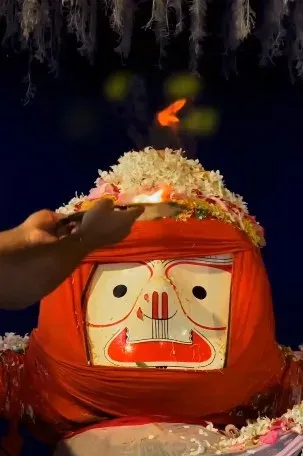
Harela 2025: Uttarakhand's green festival of nature, harvest on July 16

Synopsis
Harela is not just a harvest festival — it is Kumaon's oldest ecological pledge. With grain shoots as a crop forecast and tree-planting as a community ritual, this Sawan tradition, observed on 16 July 2025, carries a conservation message that feels more urgent in the age of climate change than ever before.
Key Takeaways
Harela 2025 will be observed on 16 July , marking the onset of the holy month of Sawan in Uttarakhand's Kumaon region .
The festival is dedicated to Lord Shiva and Goddess Parvati and combines religious devotion with agricultural tradition.
Families sow five to seven grain varieties — including barley, wheat, paddy, maize, horse gram, mustard, black gram, and black soybean — in Ringal baskets nine to ten days before Sawan.
The health of the germinated shoots is traditionally regarded as an indicator of the coming year's harvest prospects .
Tree plantation is a core Harela tradition, underscoring the festival's message of biodiversity conservation and sustainable living.
Lalit Tiwari of DSB College, Nainital notes that Harela fosters a sense of ecological responsibility that is especially relevant amid climate change and deforestation.
Harela, one of the most cherished folk festivals of Uttarakhand's Kumaon region, will be observed on 16 July 2025, marking the onset of the holy month of Sawan and the beginning of a new agricultural season. Dedicated to Lord Shiva and Goddess Parvati, the festival is a confluence of religious devotion, farming tradition, and a centuries-old commitment to environmental stewardship.
What Harela Represents
The word Harela derives from 'hara' — meaning green — and the festival embodies exactly that: a celebration of greenery, biodiversity, and the promise of a bountiful harvest. For hill farming communities across Kumaon, Harela is far more than a ritual; it is an ecological statement rooted in daily life.
Dr. Lalit Tiwari, Professor in the Department of Botany at DSB College, Nainital, said the festival nurtures a sense of affection and responsibility towards trees, forests, and the environment. According to him, Harela teaches people the importance of living in balance with nature while strengthening the relationship between communities and their natural surroundings.
Rituals and Preparations
Preparations begin nine to ten days before Sawan. Families sow Harela using traditional Ringal (local bamboo) baskets or earthen pots, lining them with Timil and Malu leaves before filling them with soil. Five or seven varieties of grains are sown — typically barley, wheat, paddy, maize, Gahat (horse gram), mustard, Urad (black gram), and Bhatt (black soybean).
The basket is then placed before the family's Isht Devta (presiding deity). Over the following days, family members sprinkle water on the growing shoots every morning and evening while offering prayers. On the first day of Sawan, the fully grown shoots are harvested and first offered to the family deity as an act of gratitude.
The Blessing Ceremony
The Harela ritual carries deep emotional and cultural weight. Elders gently touch the Harela shoots from the feet to the head and ears of family members, then place the leaves behind their ears as a symbol of divine blessings. A traditional Kumaoni blessing is recited during the ceremony: May you live long and stay awakened; may you witness this day again and again. May your roots be as deep as the Dubak grass, your leaves as abundant as the Paul plant, and your vitality as strong as that of a jackal. As long as there is snow on the Himalayas and water in the Ganges, may the joy of the Harela festival remain in your lives. Live long and stay awakened.
The blessing expresses wishes for long life, good health, prosperity, wisdom, and happiness — invoking the eternal snow of the Himalayas and the perennial flow of the Ganga as metaphors for continuity.
Agricultural and Ecological Significance
Dr. Tiwari explained that Harela has a direct connection with agriculture and soil fertility. According to traditional belief, the greener and healthier the Harela shoots grow, the better the agricultural harvest is expected to be in the coming year — making the festival a natural barometer of crop prospects for hill farmers.
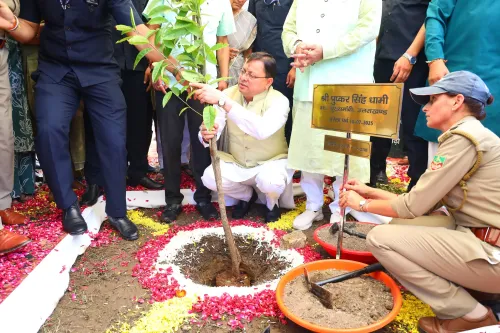
One of the most enduring traditions associated with Harela is the plantation of shade-giving and fruit-bearing trees. For generations, communities have planted saplings during the festival, reinforcing values of environmental protection, biodiversity conservation, and sustainable living. This comes amid growing concerns over climate change, deforestation, and the depletion of water resources across the Himalayan belt.
Why Harela Matters Today
In an era when ecological degradation threatens the very ecosystems that Kumaon's farming communities depend on, the message of Harela has gained fresh urgency. The festival is a collective reminder that forests, rivers, soil, and human life are deeply interconnected. Deeply rooted in the cultural identity of Kumaon, Harela continues to inspire communities to remain connected with their traditions, their land, and their responsibility to future generations.
Point of View
But its ecological architecture deserves more serious attention. The grain-germination ritual is, in effect, a community-scale soil health test — one that hill farmers have relied on for centuries before modern agronomy existed. At a time when Uttarakhand faces accelerating glacial retreat, erratic monsoons, and forest fires of unprecedented scale, a festival that structurally links religious observance to tree plantation and biodiversity awareness is doing real conservation work. The risk is that urbanisation and migration thin out the communities that sustain these traditions, leaving Harela as performance rather than practice.
NationPress
10 Jul 2026
Frequently Asked Questions
When is Harela festival in 2025?
Harela 2025 falls on 16 July, coinciding with the first day of the holy month of Sawan. The festival is observed primarily across the Kumaon region of Uttarakhand.
What is the significance of Harela festival?
Harela celebrates greenery, agricultural prosperity, and environmental conservation. It is dedicated to Lord Shiva and Goddess Parvati and marks the beginning of a new farming season, with grain shoots used as a traditional indicator of expected harvest quality.
What grains are sown during Harela?
Families sow five to seven grain varieties including barley, wheat, paddy, maize, Gahat (horse gram), mustard, Urad (black gram), and Bhatt (black soybean) in Ringal bamboo baskets or earthen pots about nine to ten days before Sawan begins.
What happens during the Harela ritual ceremony?
On the first day of Sawan, the grown shoots are harvested and offered to the family deity. Elders then touch the shoots to family members from feet to head and place the leaves behind their ears while reciting a traditional Kumaoni blessing for long life, health, and prosperity.
Why is Harela relevant to environmental conservation?
Harela has a long tradition of tree plantation alongside its agricultural rituals, embedding ecological values into religious practice. According to Dr. Lalit Tiwari of DSB College, Nainital, the festival reinforces the interdependence of forests, rivers, soil, and human life — a message that carries added urgency amid climate change and deforestation in the Himalayan region.