Haryana CMO Marks 12 Years of Growth, Two Years of New Resolve
Synopsis
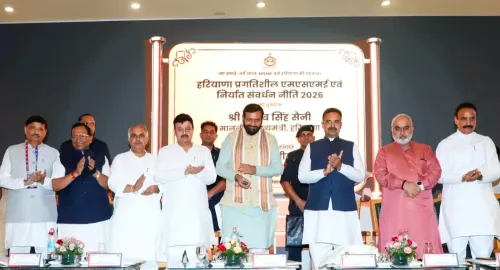
The Chief Minister's Office of Haryana marked 12 years of state development and two years of fresh policy commitments on 18 October 2026, citing new industrial policies, global investment drives, skill development programmes, and incentives for traders, startups and MSMEs as drivers of economic growth.
Key Takeaways
The Chief Minister's Office of Haryana posted on 18 October 2026 framing the moment as 12 years of development and two years of new commitments .
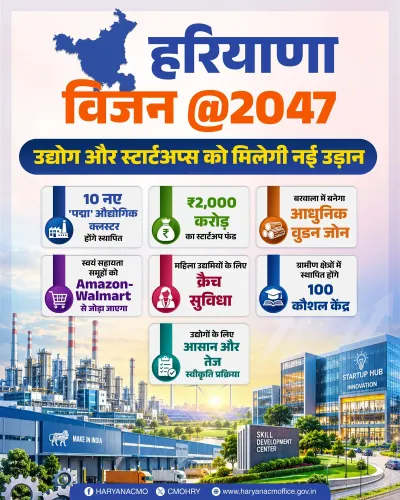
The government cited new industrial policies, global investment attraction and skill development as tools for expanding employment.
Incentives for traders, startups and MSMEs were highlighted as key pillars strengthening the state economy.
Haryana's industrial base is concentrated in Gurugram, Faridabad and Ambala , spanning auto components, electronics and IT sectors.
The state's policy lineage includes the Haryana Industrial Policy 2015 and the State Startup Policy 2017 , both designed to attract investment and support new enterprises.
The state's 2027 budget and future investor summits will be the next major test of whether policy intent converts into jobs and capital inflows.
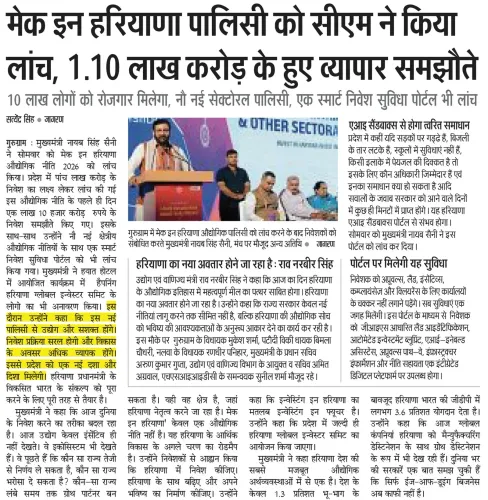
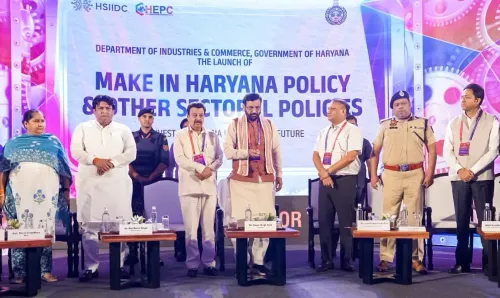
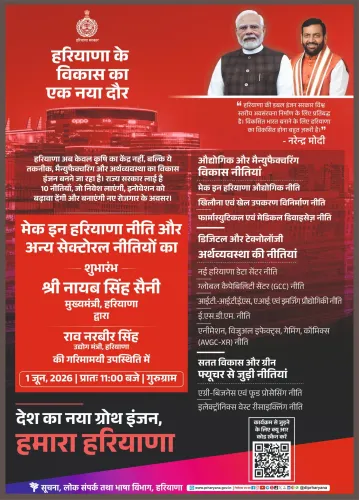
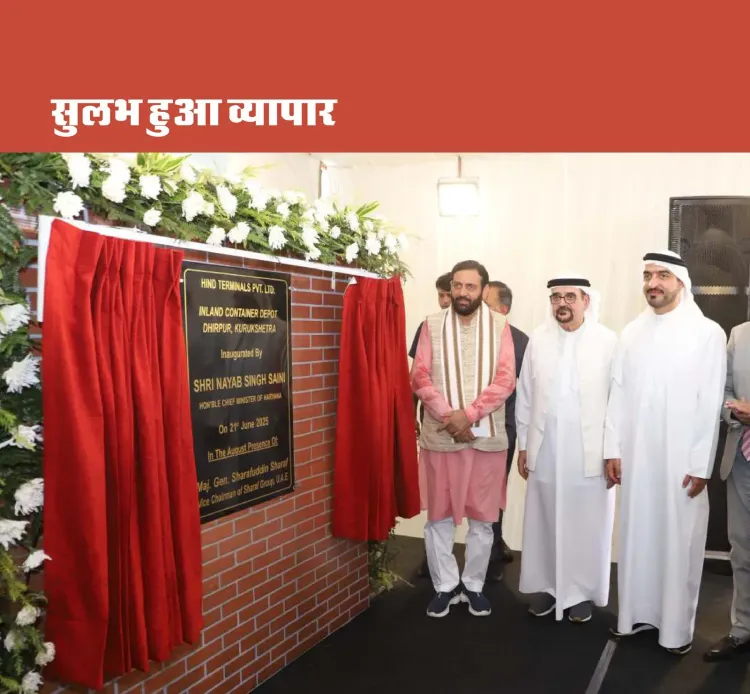
Haryana's economy is on the move — and the state government wants you to know exactly how. On Sunday, 18 October 2026, the Chief Minister's Office of Haryana took to X to frame the moment as a culmination of 12 years of development and two years of fresh commitments, spotlighting new industrial policies, global investment attraction, skill development, and a push for traders, startups and MSMEs as the engines of the state's economic expansion.
The post, shared in Hindi, declared: 'Nayi audyogik nitiyon, vaishvik nivesh aur kaushal vikas se rozgar ke avaron ka vistar' — 'Expansion of employment opportunities through new industrial policies, global investment and skill development.' It went further, noting that incentives for traders, startups and MSMEs were 'strengthening the state's economy.'
The Industrial Policy Spine Behind the Message
Haryana's economic story doesn't begin today. The state's push for industrial dominance traces back to the Haryana Industrial Policy of 2015, which introduced single-window clearance and targeted fiscal incentives to accelerate manufacturing and draw capital into the state. Two years later, the State Startup Policy of 2017 layered in incubation support and funding mechanisms, signalling an intent to compete beyond traditional sectors.
Together, these frameworks positioned Haryana as something more than a Delhi suburb — they made it a deliberate industrial bet. Districts like Gurugram, Faridabad and Ambala became anchors for auto components, electronics and IT, drawing on the state's NCR proximity in ways that neighbours have struggled to match.
MSMEs, Startups and Traders: The Three Pillars
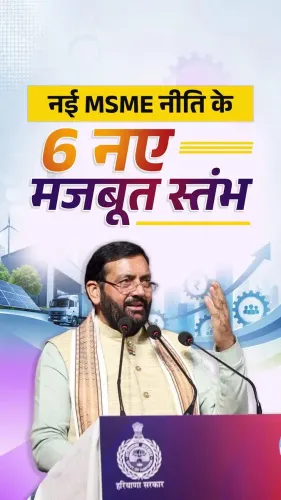
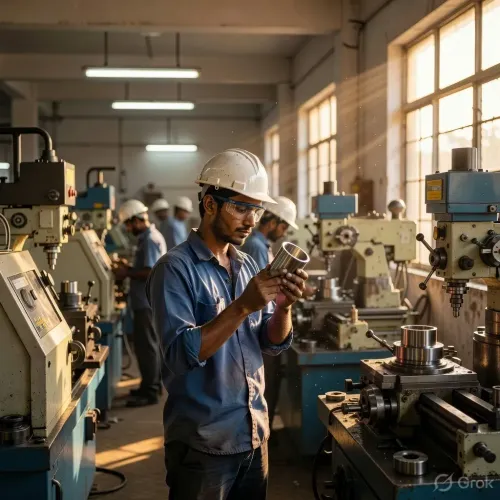
The CMO's message leans hard on small and medium enterprise growth as the connective tissue of Haryana's broader economic ambition. Micro, small and medium enterprises form the backbone of the state's manufacturing base, concentrated in the same districts that host its large industrial clusters. When state policy incentivises MSMEs, the multiplier effect — on local employment, on supply chains, on informal commerce — is immediate and visible.
Startups add a different dimension: they signal that Haryana is competing not just for factory floors, but for founders and ideas. The explicit mention of trader incentives alongside startups is a political signal too — that the government sees the bazaar and the boardroom as equally worth protecting.
The Competition Haryana Cannot Afford to Lose
Haryana does not operate in a vacuum. Gujarat and Tamil Nadu have long been the benchmarks in the race for domestic and foreign capital, their investor summits and incentive slabs setting a pace that every other state measures itself against. Haryana's consistent response has been to leverage what those states cannot easily replicate: a border with the national capital, a skilled workforce within striking distance of Delhi's consumer market, and policy stability.
Whether the current cycle of industrial policy updates and startup support actually translates into measurable job numbers is the question that will define the next chapter. The state's budget cycle for 2027 and any forthcoming investor summits will be the real test — the moment when intent becomes a number on a ledger.
Twelve years of building a foundation. Two years of new promises. The scoreboard, ultimately, will be written in jobs created and investment landed — not in posts.
Point of View
Forward-looking chapter. Haryana's persistent strategy of competing for NCR spillover investment against established industrial magnets like Gujarat reflects a wider pattern of states using policy branding — startup policies, single-window clearances, MSME incentives — as soft power in the inter-state capital race. The real analytical test arrives when employment and investment numbers are published, turning a narrative post into a verifiable report card.
NationPress
18 Oct 2026
Frequently Asked Questions
What is Haryana's new industrial policy about?
Haryana's industrial policy framework, updated periodically since 2015, offers fiscal incentives, single-window clearance and manufacturing support to attract domestic and foreign investment, with a focus on MSMEs, startups and skill-linked employment.
What does the Haryana government's '12 years of development' claim mean?
The Chief Minister's Office of Haryana used this framing on 18 October 2026 to mark a development milestone, positioning 12 years of cumulative policy work alongside two years of fresh commitments on industrial growth, global investment and MSME support.
How is Haryana supporting MSMEs and startups?
Haryana offers MSME-focused fiscal incentives through its industrial policy and provides incubation and funding support for startups under the State Startup Policy of 2017, with key clusters in Gurugram, Faridabad and Ambala.
Which sectors drive Haryana's economy?
Auto components, electronics and IT are among the leading sectors, concentrated in Gurugram, Faridabad and Ambala, with the state leveraging its proximity to Delhi's National Capital Region to attract investment.
How does Haryana compare to Gujarat and Tamil Nadu in attracting investment?
Haryana competes with industrial leaders like Gujarat and Tamil Nadu by offering NCR proximity, skilled labour access and policy incentives, though it continues to benchmark its investor summits and incentive slabs against those states.