Himachal CMO Pitches Census as Backbone of Welfare Planning
Synopsis
The Chief Minister's Office of Himachal Pradesh has flagged the census as the foundation of state planning, saying its figures are vital for schemes in education, health, roads, water supply and employment. The message reframes enumeration as a development tool central to scheme targeting in the hill state's dispersed mountain habitations.
Key Takeaways
The Himachal Pradesh CMO posted on X on 3 June 2026 framing the census as essential to state planning.
The post lists education, health, roads, water supply and employment as sectors dependent on census data.
The decennial census is conducted by the Registrar General of India under the Census Act, 1948 .
Himachal Pradesh's last complete district-level planning dataset comes from the 2011 Census .
Census figures feed into Finance Commission devolution and centrally sponsored scheme eligibility.
The state's dispersed hill habitations make granular demographic data critical for targeted welfare delivery.
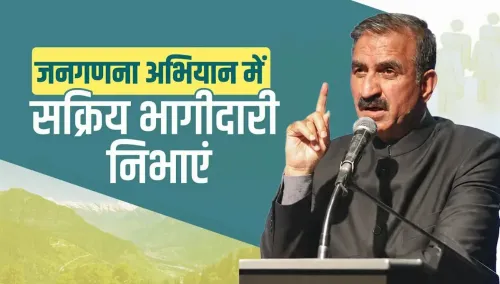
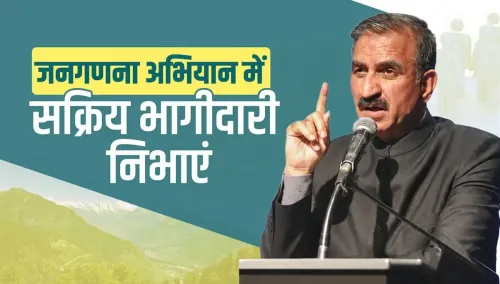
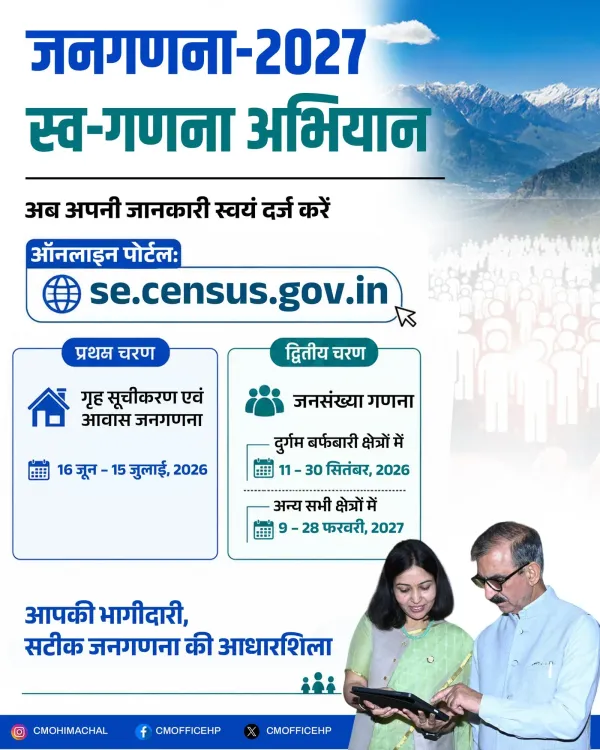
The Chief Minister's Office of Himachal Pradesh on Wednesday, 3 June 2026, underscored the centrality of the census exercise to state-level development planning, arguing that demographic data forms the bedrock of welfare scheme design across the hill state. In a post on X, the office said the enumeration was essential for charting the future trajectory of key sectors including education, health, roads, water supply and employment.
'The census helps in understanding the present situation of the state and decides the path for future plans,' the post read in Hindi. 'These figures are important for education, health, roads, water supply, employment and other schemes.' The original message — jangaṇanā se pradesh kī vartmān sthiti samjhī jātī hai (the census helps understand the present state of the province) — framed enumeration as a planning tool rather than a routine administrative event.
Context
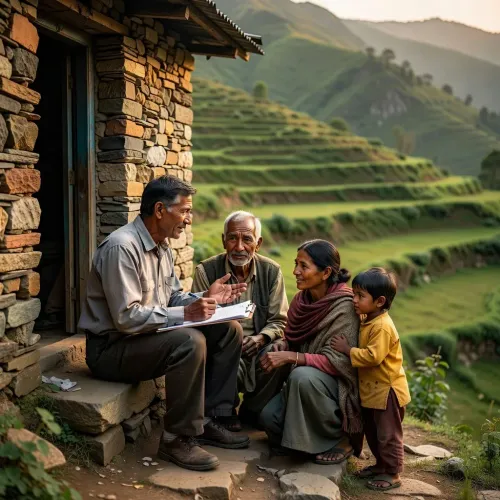
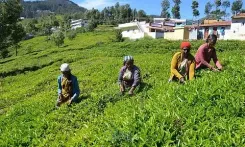
Himachal Pradesh, a northern hill state characterised by dispersed mountain settlements and difficult terrain, has historically leaned on census figures to justify per-capita and per-habitation allocations under centrally sponsored schemes. With low population density across several districts, granular data on households, age cohorts and access to basic services directly shapes how the state targets interventions in remote panchayats.
The post does not specify a particular census round, but the messaging arrives at a moment when planning departments across Indian states have flagged a data gap stemming from the delayed decennial enumeration. The last complete district-level dataset available for sector-wise planning in the state is from the 2011 Census of India.
Policy backdrop
The decennial census is conducted by the Registrar General of India under the Census Act, 1948, which mandates periodic enumeration as the statutory basis for demographic statistics. Outputs from the exercise feed into Finance Commission devolution formulas, central scheme eligibility, parliamentary delimitation inputs and state-level budget exercises.
For Himachal Pradesh specifically, census data has anchored programme design in the Jal Jeevan Mission for piped water supply, road connectivity targets under the Pradhan Mantri Gram Sadak Yojana, school-mapping under Samagra Shiksha and rural employment guarantee allocations. Each of these programmes uses habitation-level counts and household profiles to draw up coverage gaps.
Stakeholders and impact
The CMO's framing speaks directly to two constituencies. The first is the state's planning machinery, which uses enumeration data to prepare the annual plan, the medium-term expenditure framework and district-level outcome budgets. The second is the rural population in the state's twelve districts, where access to schools, primary health centres, all-weather roads and drinking water remains uneven across altitudes and valleys.
Field-level functionaries — from anganwadi workers to revenue officials — typically serve as enumerators during census operations, making the exercise a significant administrative undertaking for any state government. The CMO's emphasis on the census signals that the state government intends to use forthcoming data as a basis for recalibrating scheme targets.
What's next
Attention will turn to whether the state's planning department issues fresh circulars citing updated population projections for scheme allocations in the coming financial year. Budget documents tabled in the Vidhan Sabha typically reflect such recalibrations through revised per-capita assistance ceilings and district-wise outlays.
For a state where geography routinely complicates service delivery, the political bet embedded in the CMO's post is straightforward: better data should translate into sharper scheme targeting, and sharper targeting should, in turn, narrow the access gap between the state's high-altitude habitations and its more accessible district headquarters. Whether the next planning cycle delivers on that arc will depend on how quickly fresh enumeration figures filter into the state's budgetary architecture.
Point of View
Where per-capita costs of service delivery run higher than the national average, demographic granularity is not a technicality but a fiscal lever. The framing also signals an institutional anxiety shared across states about the data gap left by the delayed decennial round. Expect this narrative to recur as budget cycles approach and planning departments seek defensible numbers for outlays.
NationPress
17 Oct 2026
Frequently Asked Questions
Why is census data important for Himachal Pradesh?
Census data underpins planning for education, health, roads, water supply and employment schemes in Himachal Pradesh. The hill state's dispersed mountain habitations require granular household-level figures for targeted welfare delivery and central scheme allocations.
Who conducts the census in India?
The Registrar General of India conducts the census under the Census Act, 1948. It is a decennial exercise that collects demographic, economic and social data used by the Centre and states for planning.
When was the last census in India?
The last completed decennial census in India was the 2011 Census, which remains the basis for district-level planning data in Himachal Pradesh and other states.
How does census data affect government schemes?
Census figures feed into Finance Commission devolution formulas, central scheme eligibility, per-capita allocations and habitation-level coverage targets under programmes such as Jal Jeevan Mission and Pradhan Mantri Gram Sadak Yojana.
What did the Himachal Pradesh CMO say about the census?
The Himachal Pradesh CMO said the census helps understand the state's current situation and shape future plans, calling the data important for education, health, roads, water supply, employment and other schemes.