Amit Shah in Arunachal Pradesh: Development review, NDRF campus, Siang dam protests on agenda
Synopsis
Amit Shah's three-day Arunachal Pradesh visit is about more than ribbon-cutting — the strategically vital border state is simmering with protests over a proposed 11,200-MW dam on the Siang river, and whether the Home Minister offers any binding commitment to indigenous communities could define the political temperature in the Northeast for months ahead.
Key Takeaways
Amit Shah arrived in Itanagar on 21 November for a three-day visit to Arunachal Pradesh .
He will present the President's Police Colour to the Arunachal Pradesh Police on Saturday at Banderdewa .
The Home Minister will chair reviews of major development projects and MHA matters at Lok Bhavan .
On Sunday, Shah will unveil the Arunachal Pradesh Cooperation Vision Document 2047 and inaugurate the NDRF 12th Battalion campus at Hollongi .
The visit coincides with protests against the 11,200-MW Siang Upper Multipurpose Project ; Shah is likely to meet key protest organisations.
Papum Pare district has been declared a 'No Fly Zone' from 20–22 November under BNSS Section 163 .
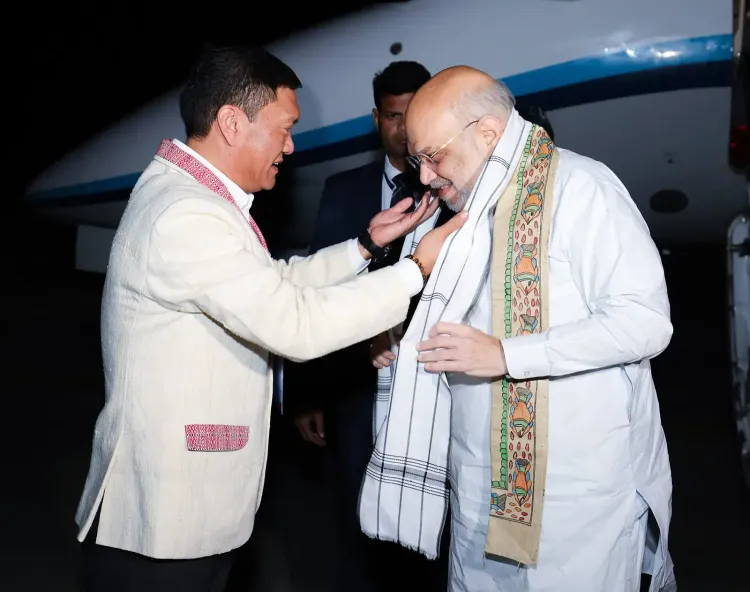
Union Home Minister Amit Shah arrived in Itanagar on Friday night, 21 November 2026, kicking off a three-day visit to Arunachal Pradesh that will include reviews of major development projects, Ministry of Home Affairs (MHA) matters, a Cooperative Conference, and the inauguration of a new National Disaster Response Force (NDRF) battalion campus. The visit to the strategically sensitive border state comes amid sustained public protests over a proposed 11,200-MW mega hydropower project on the Siang river.
Saturday's Agenda: Police Honours and Development Reviews
On Saturday morning, Shah is scheduled to present the President's Police Colour — the highest honour bestowed upon a police force in India — to the Arunachal Pradesh Police at the Parade Ground of the Police Training Academy at Banderdewa, in recognition of its distinguished service. He will also address the gathering at the ceremony.
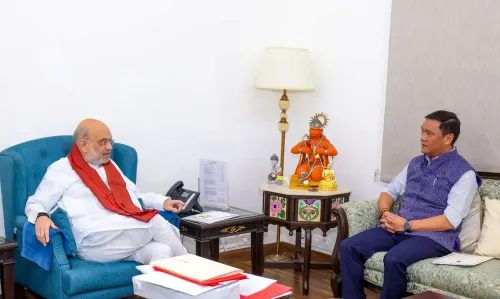
Saturday afternoon will see the Home Minister chair two back-to-back review meetings at Lok Bhavan in Itanagar — one covering major development projects in the state, and another on pending MHA matters involving the Arunachal Pradesh government. Chief Minister Pema Khandu had previously indicated that Shah would also distribute appointment letters to newly recruited personnel of the police and forest departments.
Sunday's Events: Cooperatives, Vision Document, and NDRF
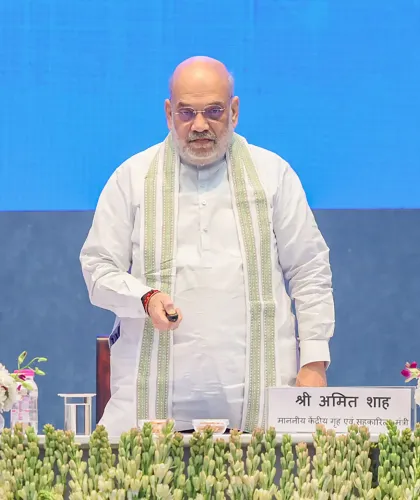
On Sunday, Shah — who also holds the Cooperation portfolio — will attend a Cooperative Conference at the Dorjee Khandu State Convention Centre in Itanagar. At the event, he will unveil the Arunachal Pradesh Cooperation Vision Document 2047, present Cooperation Awards, and inaugurate the Saras Mela.
Sunday afternoon will see him inaugurate the 12th Battalion campus of the National Disaster Response Force (NDRF) at Hollongi in Itanagar — a significant addition to disaster response infrastructure in a region prone to floods and seismic activity. Shah is expected to depart for New Delhi on Sunday afternoon after completing his engagements.
Siang Dam Protests Cast a Shadow
The visit carries added political weight amid months of protests against the proposed Siang Upper Multipurpose Project (SUMP), a 11,200-MW hydropower scheme planned across Siang, East Siang, and Upper Siang districts. Local residents and various organisations have raised concerns over the project's potential environmental and social impact. According to officials, Shah is likely to hold discussions with leading organisations spearheading the protests.
The Indian National Congress (INC) in Arunachal Pradesh has formally sought an assurance from the Home Minister that the project will not be 'imposed' on indigenous communities. The party also flagged alleged corruption in highway projects and demanded written, time-bound commitments from the Centre on issues affecting the state. Congress added that Shah's visit 'should go beyond ceremonial engagements and official announcements.'
Security Lockdown Across Papum Pare
Elaborate security arrangements have been put in place in the state capital and Papum Pare district. District Magistrate Mamu Hage issued an order under Section 163 of the Bharatiya Nagarik Suraksha Sanhita (BNSS), 2023, declaring the entire district a 'No Fly Zone' from 20 to 22 November. The order bans all drones, unmanned aerial vehicles (UAVs), balloons, and aerial photography across the district for the three-day period.
Border State Context
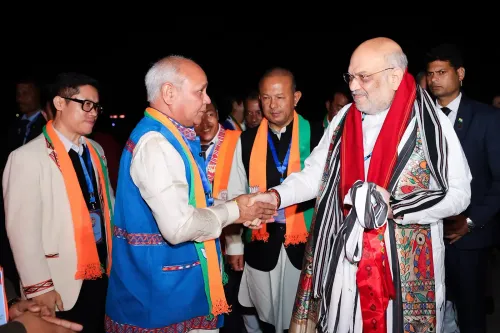
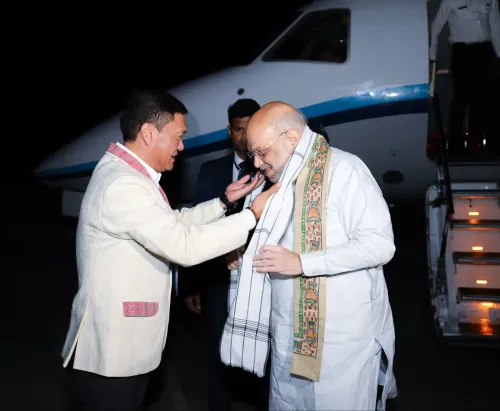
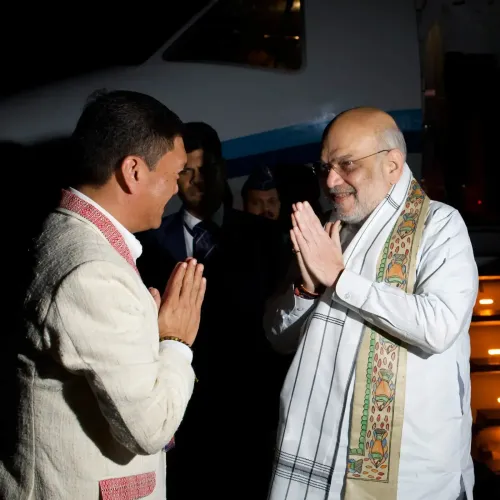
Arunachal Pradesh shares a sensitive international border stretching 1,863 km with three countries — China (1,126 km), Myanmar (520 km), and Bhutan (217 km). Any high-level visit to the state invariably carries strategic significance beyond domestic policy, particularly given ongoing boundary sensitivities with China. Shah was received on arrival at Donyi Polo Airport by Chief Minister Pema Khandu, Deputy Chief Minister Chowna Mein, other ministers, and senior officials.
How the Centre responds to the Siang dam protests — and whether Shah offers any formal commitment — will be closely watched as the project moves toward further deliberation.
Point of View
And any visible Central attention to its infrastructure and security apparatus carries a signal well beyond domestic optics. The more urgent subtext is the Siang dam: the protest movement has grown into a genuine political flash point, drawing in indigenous groups, the Congress, and multiple civil society organisations. If Shah leaves without offering concrete, written assurances, the opposition narrative of 'imposed development' will only harden. Equally, the Congress's demand for action on highway corruption suggests governance deficits that a ceremonial visit alone will not resolve.
NationPress
21 Nov 2026
Frequently Asked Questions
Why is Amit Shah visiting Arunachal Pradesh?
Union Home Minister Amit Shah is on a three-day visit to Arunachal Pradesh from 21 to 23 November to review major development projects, attend a Cooperative Conference, inaugurate an NDRF battalion campus, and present the President's Police Colour to the state police. The visit also comes amid protests over the proposed 11,200-MW Siang Upper Multipurpose Project.
What is the President's Police Colour and why is it significant?
The President's Police Colour is the highest honour bestowed upon a police force in India, recognising distinguished service. Shah will present it to the Arunachal Pradesh Police at the Parade Ground of the Police Training Academy at Banderdewa on Saturday.
What is the Siang Upper Multipurpose Project controversy?
The Siang Upper Multipurpose Project (SUMP) is a proposed 11,200-MW hydropower scheme planned across Siang, East Siang, and Upper Siang districts in Arunachal Pradesh. Local communities and organisations have been protesting over potential environmental and social impacts, and the Congress has demanded that it not be imposed on indigenous communities.
What is the Arunachal Pradesh Cooperation Vision Document 2047?
The Arunachal Pradesh Cooperation Vision Document 2047 is a policy document that Shah will officially unveil at the Cooperative Conference on Sunday at the Dorjee Khandu State Convention Centre in Itanagar. It outlines a long-term roadmap for the cooperative sector in the state.
What security measures are in place during Shah's Arunachal visit?
The entire Papum Pare district has been declared a 'No Fly Zone' from 20 to 22 November under Section 163 of the Bharatiya Nagarik Suraksha Sanhita (BNSS), 2023. The order bans drones, UAVs, balloons, and all forms of aerial photography across the district for the duration of the visit.