CM Sukhu: 75,409 Girls Benefit from Beti Hai Anmol Yojana
Synopsis
Himachal Pradesh CM Sukhvinder Singh Sukhu says 75,409 BPL girls have benefited from Beti Hai Anmol Yojana, which provides a ₹21,100 FD, ₹12,000 lump-sum aid, and annual scholarships to daughters born after August 2021.
Key Takeaways
Beti Hai Anmol Yojana targets daughters born in BPL families after 12 August 2021 in Himachal Pradesh.
Each eligible girl receives a ₹21,100 fixed deposit , redeemable with interest at age 18 .
A one-time lump-sum of ₹12,000 and an annual scholarship supplement the FD.
The government claims 75,409 girls have benefited from the scheme so far.
The scheme extends the national Beti Bachao Beti Padhao framework with state-specific direct financial transfers.
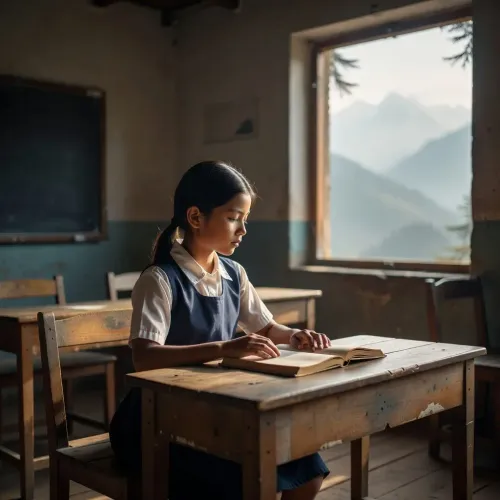
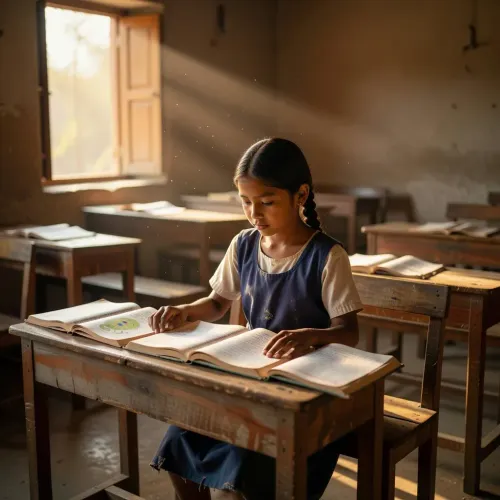
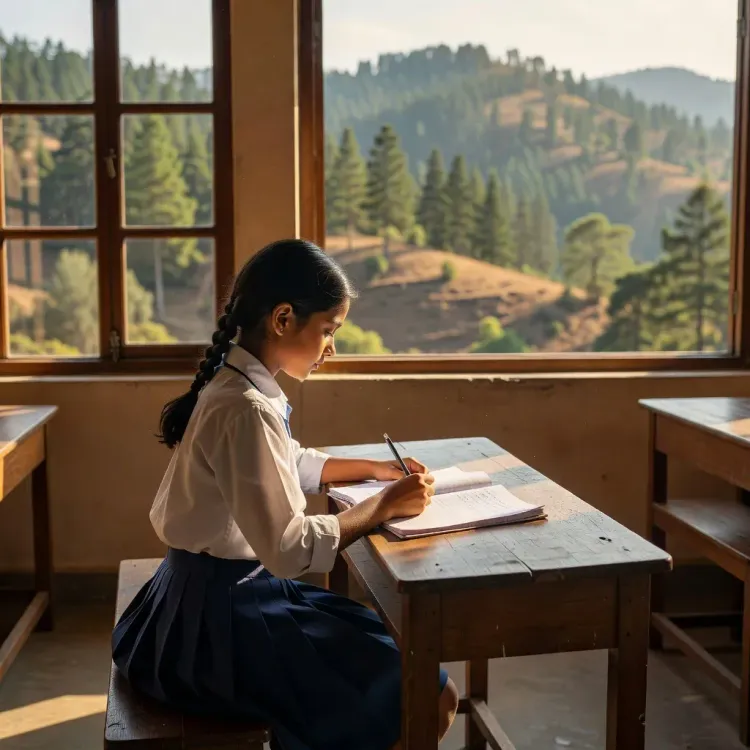
CM Sukhu positions the scheme as a safeguard ensuring financial hardship does not interrupt girls' education.
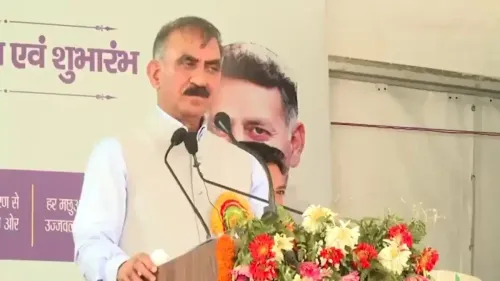
No financial barrier should stand between a daughter and her dreams — that is the stated mission driving Himachal Pradesh Chief Minister Sukhvinder Singh Sukhu's latest update on the state's flagship girl-child welfare programme, Beti Hai Anmol Yojana, shared on Thursday, 24 September 2026.
What the scheme puts in a girl's hands
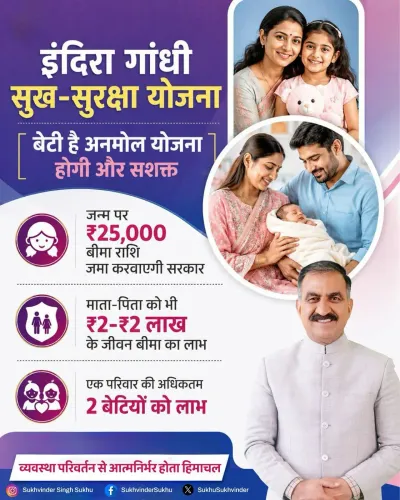
The scheme, as outlined by CM Sukhu, delivers three distinct financial instruments to daughters born in BPL (Below Poverty Line) households after 12 August 2021. First, a fixed deposit of ₹21,100 is created in the girl's name at birth — maturing with accumulated interest when she turns 18. Second, a one-time lump-sum assistance of ₹12,000 is provided to the family. Third, an annual scholarship supports her education through her school years.
The CM posted in Hindi: 'हमारा प्रयास है कि आर्थिक स्थिति किसी बेटी की पढ़ाई और उसके सपनों के बीच बाधा न बने' — ('Our effort is that financial circumstances should not become a barrier between any daughter's education and her dreams, and every daughter gets the opportunity to move forward.')
75,409 beneficiaries and what that number signals
The government claims 75,409 girls have benefited from the scheme so far. For a hill state with a comparatively small and dispersed population, that figure represents meaningful outreach into remote BPL households — the communities historically most vulnerable to both poverty-driven school dropout and gender-skewed family economics.
Himachal Pradesh has consistently tracked above national averages on female literacy, but the last mile — keeping girls from the poorest families enrolled through secondary school — remains a live challenge. Direct financial incentive schemes address exactly that gap by replacing abstract encouragement with tangible, bankable support.
Where Beti Hai Anmol fits in India's girl-child policy arc
The scheme sits downstream of the Centre's Beti Bachao Beti Padhao initiative, launched nationally in 2015 to improve child sex ratios and promote girl-child education. States across India have since layered their own cash-transfer and scholarship mechanisms on top of that national framework — and Himachal Pradesh's model, combining a maturing FD with recurring annual scholarships and a one-time family grant, represents one of the more structured multi-instrument approaches among state-level programmes.
The political timing is equally readable: welfare delivery data, especially on visible social-equity programmes, serves as a running scorecard for a government midway through its term. CM Sukhu, who took office in December 2022, has repeatedly positioned girl-child welfare and women's economic security as cornerstones of his administration's identity.
The real test of the scheme's impact will come in Himachal Pradesh's female secondary-school enrollment and literacy data over the next enrollment cycle — numbers that will tell whether the FDs and scholarships are translating into sustained classroom presence.
Point of View
A one-time family grant, and annual scholarships — reflects a maturing state-level strategy that goes beyond simple cash transfers to build a girl's financial asset over time. CM Sukhu's decision to publicise beneficiary numbers midway through his term signals welfare delivery as a primary electoral metric for the Congress government in Shimla. The scheme also fits a broader national pattern of states converting the Beti Bachao Beti Padhao framework into concrete, trackable entitlements. Whether the outreach translates into measurable gains in female secondary enrollment and reduced dropout rates will define the programme's true legacy.
NationPress
24 Sept 2026
Frequently Asked Questions
What is Beti Hai Anmol Yojana in Himachal Pradesh?
Beti Hai Anmol Yojana is a Himachal Pradesh government scheme providing a ₹21,100 fixed deposit, a ₹12,000 one-time lump-sum, and annual scholarships to daughters born in BPL families after 12 August 2021, with the FD maturing with interest when the girl turns 18.
How many girls have benefited from Beti Hai Anmol Yojana?
According to CM Sukhvinder Singh Sukhu's post on 24 September 2026, the Himachal Pradesh government says 75,409 girls have benefited from the scheme so far.
Who is eligible for Beti Hai Anmol Yojana?
Daughters born in Below Poverty Line (BPL) families in Himachal Pradesh after 12 August 2021 are eligible for the scheme's financial benefits.
What financial benefits does Beti Hai Anmol Yojana provide?
The scheme offers three benefits: a fixed deposit of ₹21,100 (redeemable with interest at age 18), a one-time lump-sum assistance of ₹12,000, and an annual scholarship to support the girl's education.
How does Beti Hai Anmol Yojana relate to Beti Bachao Beti Padhao?
Beti Hai Anmol Yojana is a state-level Himachal Pradesh scheme that builds on the Centre's Beti Bachao Beti Padhao initiative (launched 2015), adding direct cash transfers and FD-based financial instruments targeted at BPL families.