HP CM Office Claims Fourth Legal Win on Power Revenue in Four Years
Synopsis
The Himachal Pradesh CM Office claims a fourth major political and legal victory on hydropower revenue in four years, saying the win could generate significant annual income for the state if electricity is sold at Rs 6 per unit.
Key Takeaways
The Himachal Pradesh government claims its fourth major legal and political victory on energy revenue in approximately four years.
The CM's Office states that selling power at Rs 6 per unit could yield substantial annual revenue for the state exchequer.
Himachal Pradesh has a long history of disputes with central utilities and private developers over hydropower royalties and tariff terms.
The specific legal ruling or forum behind this latest win has not been officially detailed in the post.
Implementation — converting the win into actual power sale agreements and revised budget estimates — is the critical next step.
Despite formidable political and legal headwinds, the Himachal Pradesh government says it has secured what it describes as its fourth major victory on the energy revenue front in nearly four years — a win it claims could translate into significant annual earnings for the state exchequer if surplus power is sold at Rs 6 per unit.
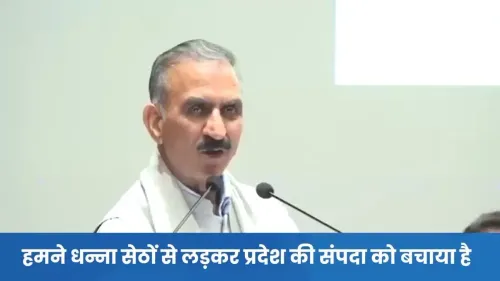
The Chief Minister's Office of Himachal Pradesh posted on X on Saturday, 7 November 2026, quoting the Chief Minister directly: 'तमाम चुनौतियों के बावजूद हमारी सरकार ने दृढ़ इच्छाशक्ति और संकल्प के साथ राजनीतिक व कानूनी मोर्चों पर लड़ाई जीती है' — 'Despite all challenges, our government has won the fight on political and legal fronts with firm will and resolve.' The post goes on to note that if the state sells electricity at Rs 6 per unit, the annual benefit to Himachal Pradesh would run into substantial crores, though the full sentence was truncated in the post.
Himachal Pradesh's long battle over hydropower revenues
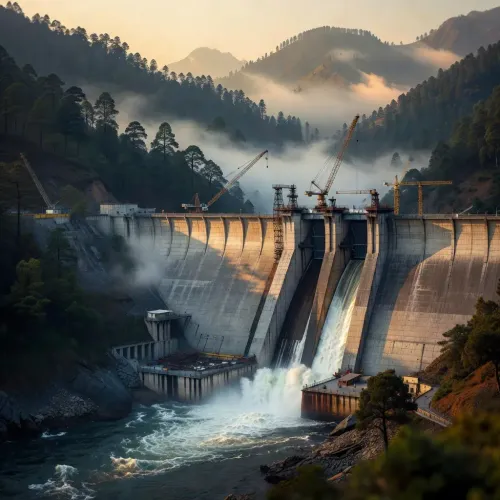
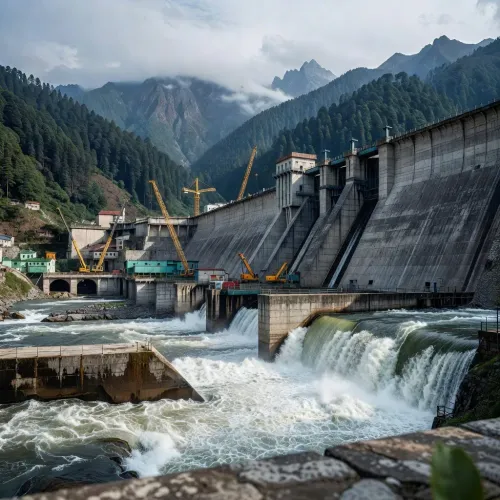
Himachal Pradesh sits atop one of India's richest river networks — the Beas, Sutlej, Ravi, and Chenab — and has for decades been a major generator of hydroelectric power. The state's revenues from this resource have historically been a pressure point: royalty power shares, tariff negotiations with central utilities, and disputes with private developers have all been recurring battlegrounds between Shimla and various regulatory and commercial counterparts.
Indian states with large hydropower assets have routinely pursued legal and political channels to maximise what flows back into their exchequers. A regulatory or legal win that unlocks a higher per-unit sale price — or secures a larger share of generated power for the state to sell on its own terms — can meaningfully shift annual revenue projections. At Rs 6 per unit, even a modest volume of additional power sold by the state could add hundreds of crores to the budget annually.
What 'fourth win in four years' signals
The framing of a 'fourth major victory' in roughly four years is a deliberate political signal: the government is presenting a pattern of persistence, not a one-off result. Whether these victories span different projects, different regulatory forums, or different legal tiers is not specified in the post — and the specifics of this particular ruling remain unverified. What is clear is that the state government is positioning energy revenue fights as a defining governance achievement of its current term.
The immediate question for Himachal Pradesh's energy department and finance ministry is implementation: translating a legal or political win into actual power sale agreements at the claimed tariff, and then reflecting that revenue in forthcoming state budget estimates. Watch for follow-up orders from the state's power department and any revision to energy revenue projections in the next budget cycle.
For a hill state that runs chronic fiscal deficits and depends heavily on central transfers, every rupee per unit gained on power sales is not a footnote — it is a lifeline.
Point of View
Hydropower receipts are a rare lever of fiscal autonomy. Legally and politically securing better tariff terms or a larger power share fits a broader pattern across Indian hill and river-basin states asserting greater control over natural resource revenues. The real test, however, will be whether this win survives implementation — regulatory orders have a long history of being litigated further before a single unit is sold at the new rate.
NationPress
7 Nov 2026
Frequently Asked Questions
What is Himachal Pradesh's latest legal victory on power revenue about?
The Himachal Pradesh CM's Office claims the state has won a major legal and political battle related to electricity revenue, its fourth such win in roughly four years. The government says this could allow the state to sell power at Rs 6 per unit, generating significant annual income for the exchequer.
Why does Himachal Pradesh fight over hydropower revenues?
Himachal Pradesh generates large volumes of hydroelectric power from rivers like the Beas, Sutlej, and Ravi. Disputes over royalty shares, tariff terms, and sale prices with central utilities and private developers directly affect the state's fiscal health, making these legal battles financially critical.
How much money could Himachal Pradesh earn from selling power at Rs 6 per unit?
The CM's Office post suggests the annual benefit could be substantial, though the exact figure was not fully stated in the post. The final revenue figure depends on the volume of power the state is entitled to sell under the ruling.
What is Himachal Pradesh's hydropower capacity?
Himachal Pradesh is one of India's largest hydroelectric power-generating states, with significant installed capacity across multiple river basins. Its power royalties and revenue-sharing arrangements with central and private developers have long been a key source of state income.
What happens next after Himachal Pradesh's power revenue legal win?
The government must now issue implementation orders through the state power department, negotiate or formalise sale agreements at the new tariff, and reflect the projected gains in upcoming budget estimates. Further legal challenges from counterparties remain a possibility.