HP Govt Pushes Back on ₹2.30/Unit Power Cost Pact at Inter-State Meet
Synopsis
The Himachal Pradesh government stated it firmly raised the state's position at a bilateral meeting over a legacy BJP-era agreement requiring HP and Uttarakhand to share electricity production costs at approximately ₹2.30 per unit, signalling a push for review by the current Congress administration.
Key Takeaways
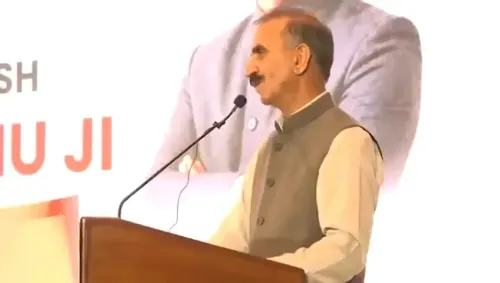
The Chief Minister's Office of Himachal Pradesh announced on June 16, 2026 that the state government presented its position at a bilateral inter-state meeting.
The core issue is a legacy agreement from the previous BJP government fixing electricity production costs at approximately ₹2.30 per unit for both Himachal Pradesh and Uttarakhand .
The current Congress-led HP government is actively contesting or seeking revision of this inherited power cost-sharing pact.
Both state power utilities and electricity consumers in the two Himalayan states are key stakeholders in the outcome.
Further bilateral meetings between Himachal Pradesh and Uttarakhand are anticipated to resolve the tariff and cost-allocation dispute.
The Chief Minister's Office of Himachal Pradesh stated on Tuesday, June 16, 2026 that the state government firmly presented its position on power-related interests at a bilateral meeting, flagging a legacy electricity cost-sharing agreement struck during the previous BJP government that binds both Himachal Pradesh and Uttarakhand to bear electricity production costs of approximately ₹2.30 per unit.
Context
The CMO's post, written in Hindi, states: 'हिमाचल प्रदेश सरकार की तरफ से इस बैठक में राज्य के हितों से जुड़े अपने पक्ष को मजबूती से रखा' — meaning, 'The Himachal Pradesh government firmly presented its position related to the state's interests at this meeting.' The specific point raised was that under an agreement made during the previous BJP-led administration, both Uttarakhand and Himachal Pradesh were to bear power production costs of around ₹2.30 per unit.
The disclosure signals that the current Congress-led Himachal Pradesh government is actively contesting or seeking revision of this inherited inter-state power arrangement. The meeting's exact nature and other participants were not specified in the post.
Policy Backdrop
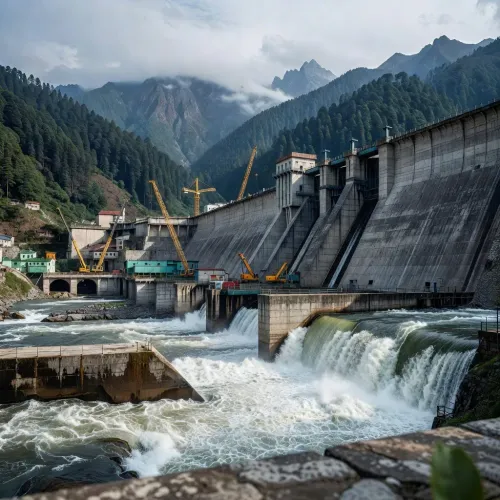
Himalayan states have historically negotiated complex cost-sharing formulas for hydroelectric projects that span shared river basins. Such agreements determine how states split capital costs, operational expenditures, and ultimately the per-unit tariff burden passed on to consumers and utilities.
Legacy agreements negotiated by earlier administrations frequently come under scrutiny when governments change, particularly when the fiscal or tariff implications are seen as unfavourable to one party. The ₹2.30 per unit production cost figure cited in the post is central to the current dispute, as any upward revision in actual costs since the agreement was signed would disproportionately burden the states locked into that rate.
Stakeholders and Impact
State power utilities in both Himachal Pradesh and Uttarakhand are the primary institutional stakeholders, as the cost-sharing formula directly affects their balance sheets and procurement rates. Electricity consumers in both Himalayan states are downstream stakeholders — any renegotiation that results in higher acknowledged costs could eventually influence retail tariffs.
For Himachal Pradesh, which derives a significant share of its revenue and energy supply from hydroelectric generation, the terms of inter-state power agreements carry substantial fiscal weight. The current administration's decision to publicly flag this at a bilateral meeting suggests the issue has escalated beyond routine administrative review.
What's Next
Further bilateral meetings between Himachal Pradesh and Uttarakhand are expected as both states work through the implications of the legacy pact. The outcome could set a precedent for how Himalayan states renegotiate power cost-sharing agreements when political transitions bring new administrations with different fiscal priorities.
Whether the current government seeks a formal revision of the ₹2.30 per unit benchmark or pursues a supplementary cost-allocation framework will be the defining question in the next round of inter-state discussions.
Point of View
Framing it as a burden on state interests. This fits a broader pattern in Indian state politics where incoming governments use inter-state forums to renegotiate legacy agreements, especially in the energy sector where per-unit cost benchmarks have long-term fiscal consequences. The choice to highlight the ₹2.30 per unit figure publicly, rather than let negotiations proceed quietly, suggests the government is building a public record for any future tariff revision. How Uttarakhand responds will reveal whether this is a manageable bilateral adjustment or the opening of a more contentious inter-state dispute.
NationPress
15 Sept 2026
Frequently Asked Questions
What is the Himachal Pradesh and Uttarakhand power cost-sharing agreement?
Under an agreement made during the previous BJP-led Himachal Pradesh government, both Himachal Pradesh and Uttarakhand were to bear electricity production costs of approximately ₹2.30 per unit for jointly concerned hydroelectric arrangements. The current HP government is now contesting this at bilateral meetings.
Why is Himachal Pradesh raising this power issue now?
The current Congress-led Himachal Pradesh government is reviewing legacy agreements made by the previous BJP administration. The ₹2.30 per unit cost-sharing formula is seen as a key fiscal concern, prompting the state to formally present its position at an inter-state meeting.
How does this affect electricity consumers in Himachal Pradesh?
If the cost-sharing formula is revised upward or renegotiated, it could affect state power utility finances and potentially influence retail electricity tariffs for consumers in Himachal Pradesh and Uttarakhand over time.
What happens next in the Himachal Pradesh and Uttarakhand power dispute?
Further bilateral meetings between the two states are expected. The key question is whether Himachal Pradesh will seek a formal revision of the ₹2.30 per unit benchmark or pursue a supplementary cost-allocation framework acceptable to both sides.
What role do Himalayan states play in India's power sector?
Himalayan states like Himachal Pradesh and Uttarakhand are major producers of hydroelectric power in India. Inter-state agreements on cost-sharing and tariff formulas significantly affect their revenues, utility finances, and the broader northern India power grid.