HP CM Office flags off Anti-Chitta Walkathon in Chamba's Tissa
Synopsis
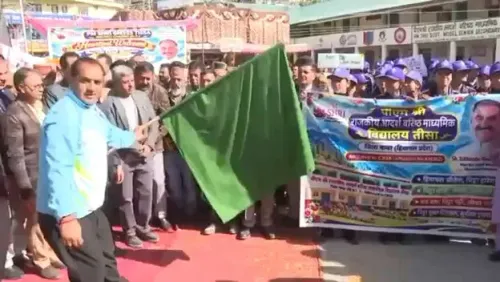
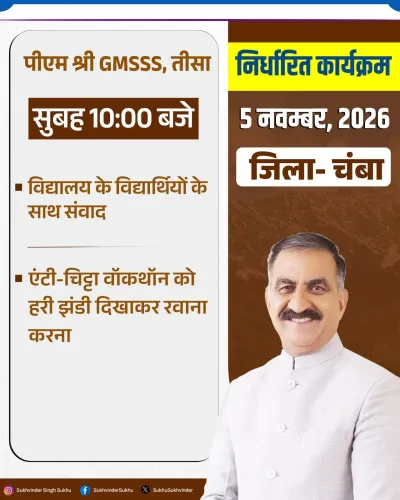
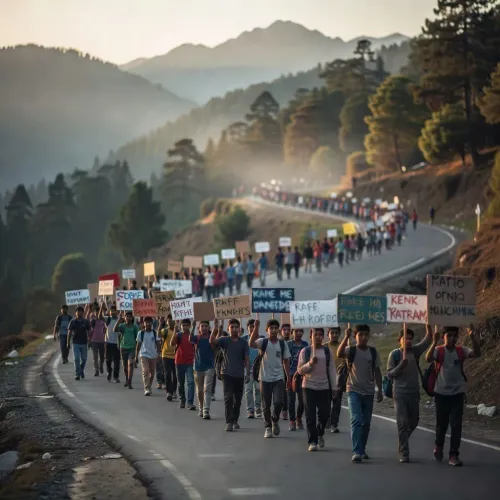
The Chief Minister's Office of Himachal Pradesh flagged off an Anti-Chitta Walkathon in Tissa, Chamba on November 5, 2026. School students marched against synthetic drug abuse in a border-adjacent district historically exposed to drug trafficking routes, echoing the national Nasha Mukt Bharat Abhiyan's preventive-education approach.
Key Takeaways
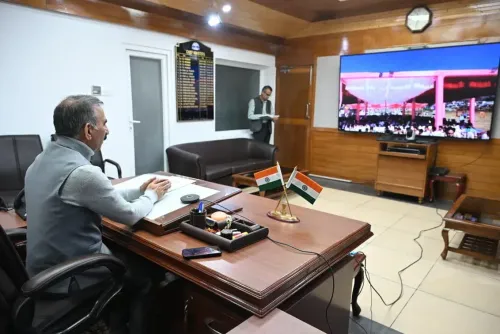
The Anti-Chitta Walkathon was flagged off in Tissa, Chamba on November 5, 2026 by the Chief Minister's Office of Himachal Pradesh .
School children were the primary participants, with the CMO specifically praising their enthusiasm and drug-awareness. ' Chitta ' is a regional term for synthetic or heroin-type drugs widely used across northern Himachal Pradesh.
Chamba district borders Punjab and Jammu and Kashmir, placing it in a region with elevated drug exposure risk.
The event aligns with the central government's Nasha Mukt Bharat Abhiyan , launched in August 2020 , which emphasises preventive education over enforcement alone.
Possible next steps include extending such walkathons to other Himachal districts or integrating anti-drug modules into school curricula.
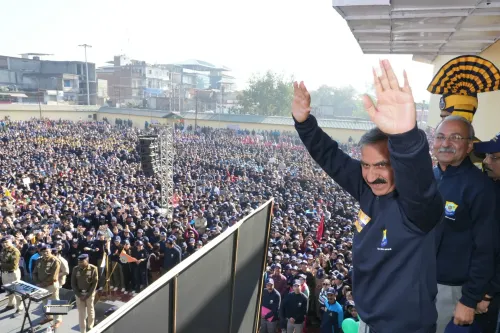
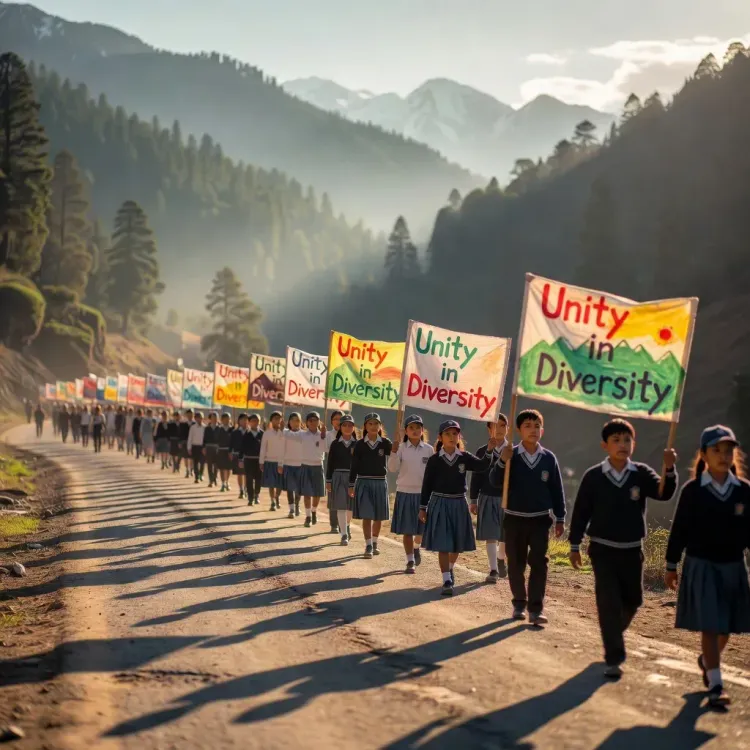
Schoolchildren took to the streets of Tissa, Chamba on Thursday, November 5, 2026, marching against synthetic drugs in an event the Chief Minister's Office of Himachal Pradesh says signals exactly the kind of future the state's youth want to build — healthy, aware, and drug-free.
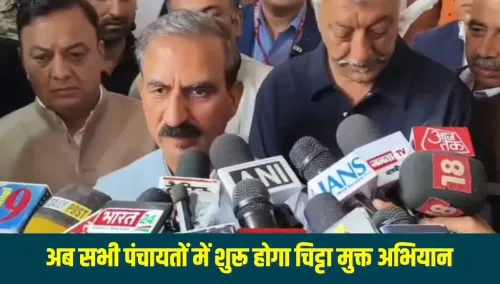
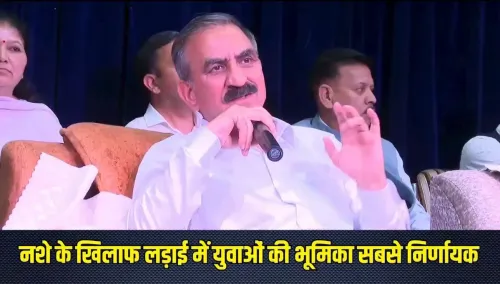
The Chief Minister's Office flagged off the Anti-Chitta Walkathon in Tissa, calling out the enthusiastic participation of school students as particularly commendable. 'Chitta ke viruddh' (against chitta) — the regional term for synthetic drugs or heroin-type substances — has become a rallying phrase across northern Himachal Pradesh's most vulnerable districts. The post noted: 'The enthusiasm of children and their awareness against drugs makes me say that our coming generation wants a healthy and safe society.'
Why Chamba, Why Now
Chamba district sits in northern Himachal Pradesh, sharing borders with Punjab and Jammu and Kashmir — a geography that places it squarely on routes through which synthetic drugs have historically moved. Border-adjacent districts across the northern belt have seen a steady drumbeat of student-led marches and community awareness drives precisely because proximity to supply routes translates into elevated exposure for local youth.
The walkathon format — visible, participatory, school-driven — reflects a wider preventive-education philosophy that gained national institutional backing when the central government launched the Nasha Mukt Bharat Abhiyan in August 2020 under the Ministry of Social Justice and Empowerment. That programme explicitly prioritised student and community mobilisation over enforcement-only approaches.
Students as the Front Line of the Message
The CMO's framing is deliberate: by spotlighting schoolchildren rather than officials or police, the state positions the next generation as both the audience and the messenger. That dual role — marching students who are simultaneously being educated and educating their communities — is precisely what gives walkathons their public-awareness leverage in small towns like Tissa.
Chamba's town squares and school grounds become, for a morning, the most visible anti-drug platform in the district. Flags, students in uniform, and community turnout send a signal that cuts through where pamphlets rarely do.
Whether similar walkathons roll out to other Himachal districts — or whether anti-drug modules earn a formal place in the state school timetable — will be the real test of whether today's march is the beginning of a programme or a single morning's headline.
Point of View
Chamba's border geography makes it a high-visibility venue: success here resonates with a statewide electorate anxious about youth drug exposure. The CMO's framing — crediting the children rather than the government — is classically smart political communication, centering the next generation while the administration claims the role of facilitator. The durability of the initiative, however, will hinge on whether it graduates from a one-day walkathon into a sustained curricular or enforcement programme.
NationPress
5 Nov 2026
Frequently Asked Questions
What is the Anti-Chitta Walkathon in Himachal Pradesh?
The Anti-Chitta Walkathon is a community awareness march organised against synthetic drug abuse — 'chitta' being the local term for heroin-type drugs — involving school students and residents to build public consciousness against substance use in the region.
Where is Tissa located and why was it chosen for this walkathon?
Tissa is a town in Chamba district of Himachal Pradesh. Chamba borders Punjab and Jammu and Kashmir, areas with known drug trafficking routes, making its towns priority locations for anti-drug awareness drives.
What is chitta drug in Himachal Pradesh?
'Chitta' is a colloquial term used in Himachal Pradesh and parts of Punjab for synthetic or heroin-type drugs. It has become a significant public health concern especially among youth in northern districts of the state.
What is Nasha Mukt Bharat Abhiyan and how does this walkathon connect to it?
Nasha Mukt Bharat Abhiyan is a nationwide drug-prevention programme launched by the central government in August 2020 under the Ministry of Social Justice and Empowerment. The walkathon reflects the programme's approach of mobilising students and communities through preventive education rather than enforcement alone.
Will anti-drug walkathons be held in other districts of Himachal Pradesh?
No official announcement has been made, but the success of the Tissa event raises the possibility of extending similar walkathons to other Himachal districts or formally incorporating anti-drug education into state school timetables.