HP CM Office Hails Supreme Court Win on BBMB Arrears
Synopsis
The Chief Minister's Office of Himachal Pradesh announced on 6 November 2026 that the Supreme Court ruled in the state's favour on BBMB arrears pending for 15 years, hailing it as the fourth historic legal victory in the current government's four-year tenure.
Key Takeaways
The Supreme Court of India delivered a ruling on 6 November 2026 in favour of Himachal Pradesh in the long-pending BBMB arrears case.
The dispute had been pending in the Supreme Court for over 15 years .
The Chief Minister's Office called it the fourth historic victory for Himachal Pradesh's rights in approximately four years of the current government's tenure.
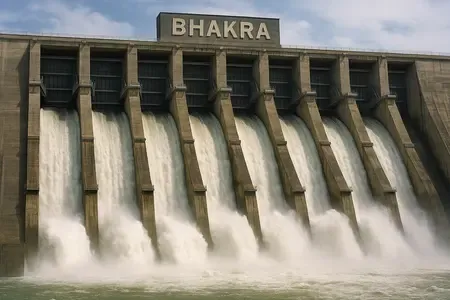
The Bhakra Beas Management Board was created under the Punjab Reorganisation Act, 1966 to manage Bhakra-Nangal and Beas projects among Punjab, Haryana, Rajasthan and Himachal Pradesh.
Himachal Pradesh has long argued it receives insufficient financial returns from BBMB projects located on its territory.
The quantum of arrears awarded and the implementation timeline are key details to watch as partner states may still contest the order.
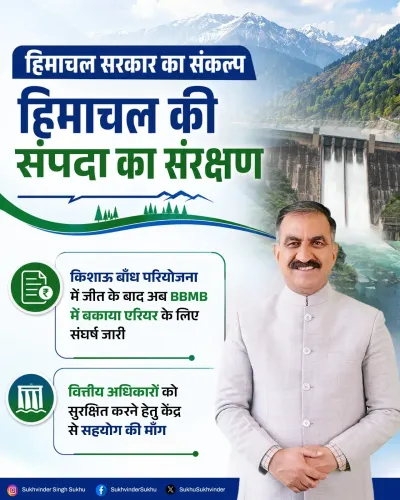
A 15-year legal battle ended in Himachal Pradesh's favour on Friday, 6 November 2026, as the Supreme Court of India delivered a ruling on long-pending arrears owed to the state under the Bhakra Beas Management Board (BBMB) framework — and the Chief Minister's Office of Himachal Pradesh wasted no time in calling it a historic win for the state's 75 lakh residents.
The CMO's post on X announced: 'हिमाचल प्रदेश की 75 लाख जनता को बहुत-बहुत बधाई' — 'Heartiest congratulations to the 75 lakh people of Himachal Pradesh. With your affection and blessings, we have won yet another major battle for Himachal's rights. This is the fourth historic victory in approximately four years of tenure. Today's ruling has come in the matter of BBMB arrears that had been pending in the Supreme Court for the last 15 years.'
What BBMB Means for Himachal — and Why This Dispute Ran So Long
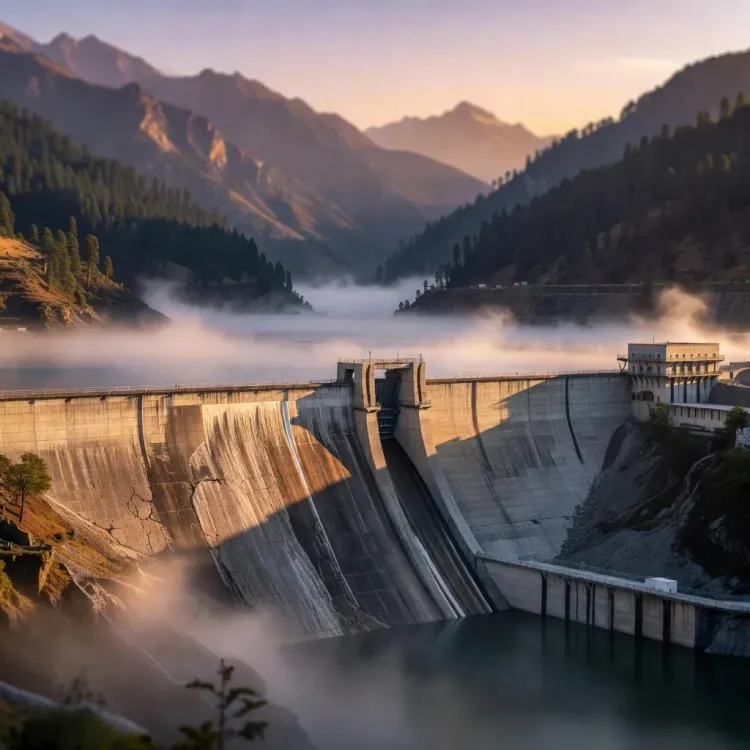
The Bhakra Beas Management Board was constituted under the Punjab Reorganisation Act, 1966 to manage the Bhakra-Nangal and Beas river projects and allocate power and water among the successor states: Punjab, Haryana, Rajasthan, and Himachal Pradesh. The dams that make BBMB function sit largely within Himachal's territory — yet the state has historically argued it receives a disproportionately small share of the financial returns those projects generate.
That grievance crystallised into a formal legal claim for arrears — revenue the state contends it was owed but never paid. With the case locked in India's apex court for over a decade and a half, successive Himachal governments had watched it stall. Today's order breaks that deadlock.
The Fourth 'Historic Victory' in Four Years
The CMO's framing is deliberate. By counting this as the fourth historic legal or policy win inside roughly four years, the state government is building a cumulative narrative of assertive rights-recovery — presenting each court victory not as an isolated event but as part of a sustained campaign to reclaim what officials describe as Himachal's due share from projects that harness its rivers and mountains.
Interstate river-basin disputes in India almost always outlast the governments that file them, making a Supreme Court closure — especially on a financial arrears question — genuinely significant. The quantum of arrears awarded and any implementation timeline set by the court will determine how quickly that money flows to the state exchequer, and whether partner states mount further legal challenges.
For a mountain state heavily dependent on hydropower royalties and central transfers, every rupee recovered from BBMB is an argument for fiscal autonomy. The court's order, in that sense, is not just a legal verdict. It is a statement about who pays for the water that powers the plains.
Point of View
Framing this as a 'fourth historic win' signals a deliberate political strategy: convert technical court orders into a popular narrative of rights-recovery ahead of future electoral cycles. The real test will come in implementation — BBMB partner states like Punjab and Haryana have strong incentives to delay or contest disbursement, and a Supreme Court verdict on arrears does not automatically translate into cash in the state exchequer. How swiftly the government can convert the order into actual revenue will define whether this victory is symbolic or transformative.
NationPress
6 Nov 2026
Frequently Asked Questions
What is the BBMB and why does Himachal Pradesh have a dispute with it?
The Bhakra Beas Management Board (BBMB) is a statutory body created under the Punjab Reorganisation Act, 1966 to manage Bhakra-Nangal and Beas river projects and distribute power and water among Punjab, Haryana, Rajasthan and Himachal Pradesh. Himachal Pradesh has long argued that it receives inadequate financial returns despite the projects being located on its territory, leading to legal claims for arrears.
What did the Supreme Court decide in the BBMB arrears case on 6 November 2026?
The Supreme Court of India delivered a ruling in favour of Himachal Pradesh in the BBMB arrears matter that had been pending before it for over 15 years. The Chief Minister's Office announced the verdict as a historic victory for the state's 75 lakh residents, though the exact quantum of arrears awarded is yet to be officially detailed.
How many legal victories has the Himachal Pradesh government claimed in four years?
According to the Chief Minister's Office, the BBMB arrears ruling is the fourth historic legal or policy victory secured in approximately four years of the current government's tenure in Himachal Pradesh.
What happens after the Supreme Court ruling — will Himachal Pradesh get the money immediately?
A Supreme Court verdict in favour of Himachal Pradesh establishes its legal entitlement, but actual disbursement depends on the implementation timeline set by the court. Partner states such as Punjab and Haryana could potentially seek review or raise procedural objections, which may affect how quickly the funds reach the state exchequer.
Why is the BBMB arrears case important for Himachal Pradesh's finances?
Himachal Pradesh is heavily dependent on hydropower royalties and central transfers. Securing revenue from BBMB projects located within its borders strengthens the state's fiscal position and sets a precedent for host-state rights in interstate river-basin agreements across India.