HP CM Office Launches Rs 17 Cr Solar Project in Spiti

Synopsis
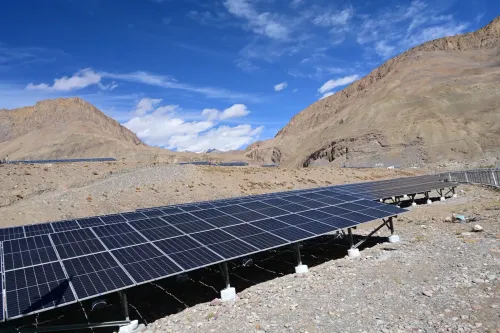
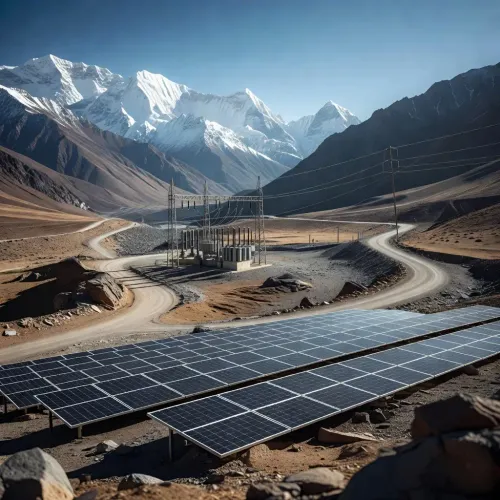
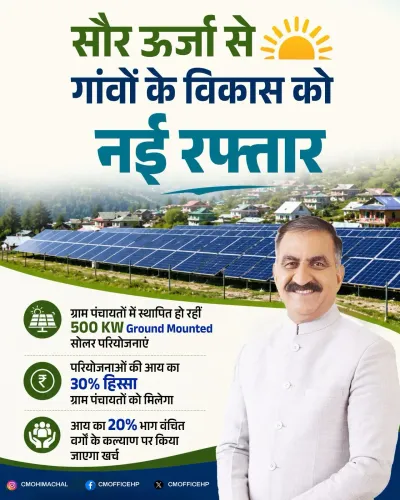
The Chief Minister's Office of Himachal Pradesh announced a Rs 17 crore, 2 MW solar power project for Spiti valley on October 14, 2026, aimed at ending chronic electricity shortages in the remote high-altitude cold-desert region.
Key Takeaways
The Chief Minister's Office of Himachal Pradesh announced a 2 MW solar power project for Spiti valley on October 14, 2026 .
The project carries a total cost of Rs 17 crore and is intended to provide lasting relief from chronic power cuts in the region.
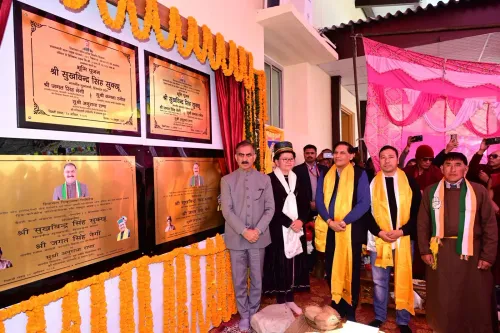
The decision followed a two-night government stay in Spiti during the state's first Himachal Diwas celebration held in the valley.
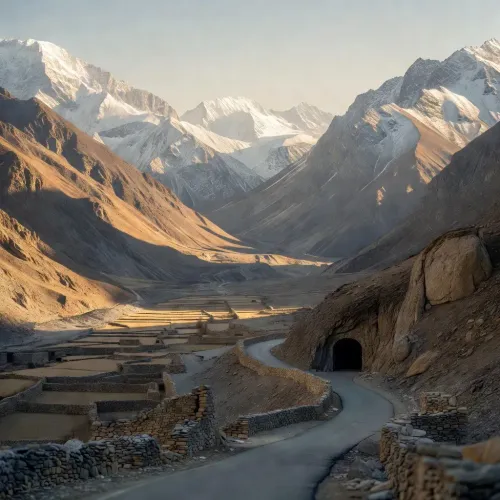
Spiti , located in Lahaul and Spiti district at high altitude, faces severe electricity shortages due to difficult terrain that makes conventional grid extension costly.
Solar energy is seen as the most viable solution for Spiti's dispersed, high-altitude villages that receive abundant clear-sky days year-round.
Commissioning timelines and the potential rollout of similar micro-solar projects in other high-altitude tribal pockets like Pangi, Bharmaur, and Kinnaur remain key points to watch.
A remote Himalayan valley that has endured chronic power cuts for decades is about to get a major jolt of clean energy. The Chief Minister's Office of Himachal Pradesh announced on Wednesday, October 14, 2026, that a 2 megawatt solar power project costing Rs 17 crore has been launched in Spiti valley — a move framed as a direct response to what officials called a 'serious electricity problem' in the high-altitude region.
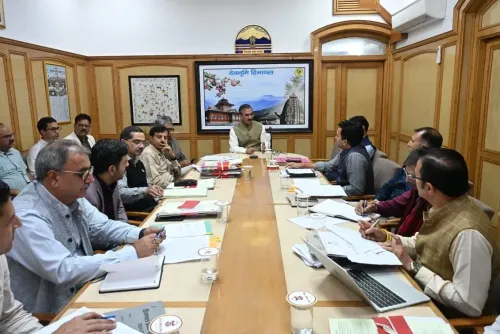
The announcement, made in Hindi on the official CMO account, noted that the government had first visited Spiti to celebrate Himachal Diwas — marking its first such observance in the valley — and stayed for two nights, directly witnessing the scale of the energy crisis before commissioning the project.
A valley where grid lines don't reach
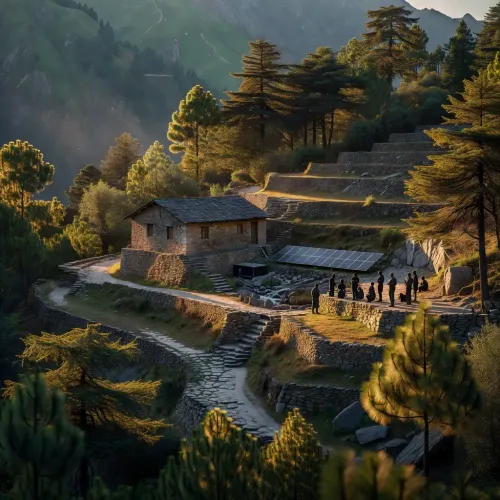
Spiti, nestled in the cold-desert terrain of Lahaul and Spiti district, sits at altitudes above 3,800 metres. Its extreme geography makes conventional grid extension prohibitively difficult and expensive. Winter months routinely plunge communities into hours-long blackouts, affecting homes, schools, health posts, and the small but growing tourism economy that the valley depends on.
Himachal Pradesh has long leaned on hydropower to meet state energy needs, but high-altitude tribal pockets like Spiti receive little benefit from run-of-river projects built for lower elevations. Solar, with its abundance of clear-sky days even in winter, offers a practical local alternative — and this Rs 17 crore, 2 MW plant is pitched as precisely that kind of targeted fix.
What Rs 17 crore buys Spiti's residents
At 2 MW of installed capacity, the project is designed to address Spiti's localised demand profile — a dispersed population of small villages where peak loads are modest but reliability is everything. The announcement positions the investment as bringing 'big relief' (badi rahat) to residents, a phrase that signals the depth of frustration the CMO team observed during its two-night stay.
Himachal Pradesh governments have pursued micro-solar interventions in remote tribal valleys before, but linking a project's genesis directly to a chief ministerial visit — and to the symbolic occasion of Himachal Diwas — gives this one a political and emotional resonance beyond its technical specs. The message to Spiti's residents is deliberate: the state did not just send bureaucrats; it came, stayed, and acted.
What comes next for Spiti's power grid
The key questions now are commissioning timelines and measurable improvement in daily power-supply hours across Spiti's villages. Watchers of Himachal's energy policy will also track whether similar micro-solar projects are announced for other high-altitude pockets — Pangi, Bharmaur, Kinnaur — that share Spiti's grid vulnerabilities.
If the 2 MW plant delivers on its promise, it could become a replicable template for the dozens of high-altitude tribal hamlets across the western Himalayas that still count unreliable power among their most pressing daily grievances. The wires are going in. The lights, the government is betting, will follow.
Point of View
Compressing the gap between promise and action in the public narrative. For the Himachal Pradesh government, commissioning the plant in a tribal, high-altitude constituency signals a deliberate outreach to communities historically underserved by centrally planned grid investments. The broader policy arc here is significant: as Himachal's hydropower capacity faces seasonal and climatic constraints, distributed solar at the village or valley level is emerging as the state's de facto strategy for last-mile electrification in mountain terrain. Whether the 2 MW Spiti project becomes a template replicated across Pangi, Bharmaur, and Kinnaur will be the real test of whether this is a one-off gesture or the start of a systematic mountain-solar push.
NationPress
14 Oct 2026
Frequently Asked Questions
What is the Spiti valley solar power project announced by the Himachal Pradesh government?
The Chief Minister's Office of Himachal Pradesh announced a 2 megawatt solar power project for Spiti valley at a cost of Rs 17 crore, aimed at solving chronic electricity shortages in the remote high-altitude region.
Why does Spiti valley have electricity problems?
Spiti sits at altitudes above 3,800 metres in a cold-desert terrain where extending conventional power grid lines is extremely difficult and expensive, leading to frequent and prolonged power outages, especially in winter.
How much does the Spiti solar project cost and what is its capacity?
The project has an installed capacity of 2 MW and carries a total cost of Rs 17 crore, according to the announcement by the Chief Minister's Office of Himachal Pradesh.
Why did the Himachal Pradesh government celebrate Himachal Diwas in Spiti?
According to the CMO's post, this was the government's first Himachal Diwas celebration held in Spiti, with officials staying for two nights to directly observe local challenges — including the serious electricity problem — before announcing the solar project.
Will similar solar projects come to other remote Himachal Pradesh districts like Kinnaur or Pangi?
The government has not made any confirmed announcements for other districts yet, but energy experts and policy watchers will monitor whether the Spiti model is replicated in other high-altitude tribal areas such as Pangi, Bharmaur, and Kinnaur that face similar grid challenges.