HP CM Office on Chitta: Schools to Lead Awareness Drive
Synopsis
The Himachal Pradesh CM Office shared that a young student reporter questioned the government on its anti-chitta drive. The reply: schools are being used to build public awareness against the synthetic opioid that has long plagued the hill state's youth.
Key Takeaways
The Chief Minister's Office of Himachal Pradesh posted on August 3, 2026 about an interaction with a young student reporter who asked about the state's anti-chitta drive.
Chitta — a heroin-based synthetic drug — has been a persistent public-health crisis in Himachal Pradesh , especially among youth.
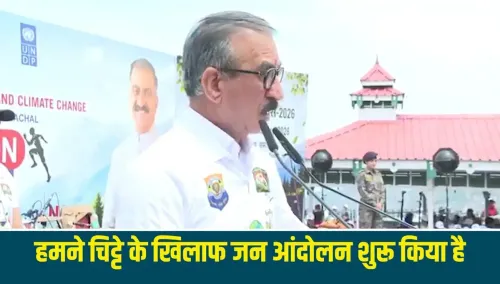
The government stated it is using schools as the primary channel to raise public awareness against chitta.
No new scheme, budget allocation, or formal programme name was announced; the post records an existing outreach effort.
Scale, districts covered, and curriculum details of the school-based programme remain publicly unspecified.
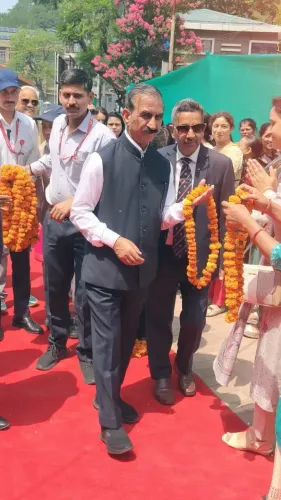
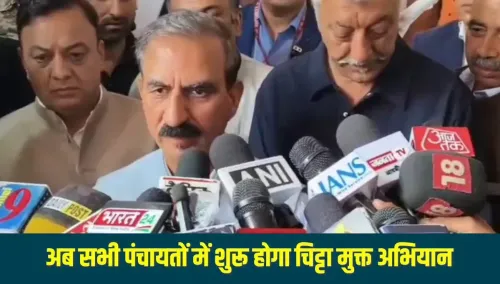
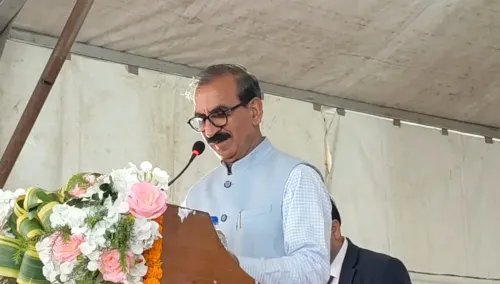
A young student reporter asked the sharpest question in the room — and the answer she got sketched the outline of a state-wide campaign. The Chief Minister's Office of Himachal Pradesh shared on Monday, August 3, 2026, that a child journalist had zeroed in on the government's response to chitta — the street name for heroin-based synthetic drugs that have ravaged communities across the hill state — and received a direct answer: schools are at the centre of the fight.
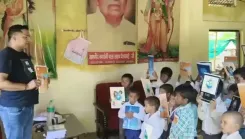
The post, shared in Hindi, describes the CM Office's interaction with the young reporter. 'Nanhi reporter ki paini nazar sarkar ke kaamkaaj par hai' — 'the little reporter's sharp eye is on the government's work' — the post begins, before recounting that she asked specifically what initiatives exist against chitta. The response: the government is using schools as the primary channel to build public awareness against the drug.Chitta's grip on Himachal — and why schools matter
Chitta has become shorthand in Himachal Pradesh for a synthetic opioid crisis that has cut through youth populations in districts from Shimla to Kangra. The drug, typically a heroin-methamphetamine mix, is cheap, highly addictive, and has been linked to a surge in overdose cases and crime across the state over the past several years.
Deploying schools as awareness hubs is a well-worn but effective strategy in Indian public-health campaigns. Students carry messaging home to families, and classroom sessions reach demographics that government advertisements often miss. The CM Office's framing — anchoring the story around a child asking the question — underscores that the intended audience is young people themselves.
A routine interaction with a pointed message
The post does not announce a new scheme or allocate fresh funds — it records a moment: a child reporter, a direct question, a government answer. But the detail that the state is actively running school-based anti-chitta programmes signals that such outreach is already under way, not merely planned. What remains to be detailed publicly is the scale, districts covered, and whether a formal curriculum module has been introduced.
For a state that has repeatedly flagged the drug crisis as a governance priority, the optics of a young girl holding officials accountable — even informally — carry their own weight. The kicker the CM Office chose to lead with was not a policy number. It was a child's question. That choice tells its own story.
Point of View
And school-based outreach represents the state doubling down on prevention over enforcement. The post fits a broader pattern of Indian state governments using educational institutions as the first line of public-health communication. Whether this signals a structured programme or remains ad hoc outreach is the question that follow-up announcements will need to answer.
NationPress
3 Aug 2026
Frequently Asked Questions
What is chitta and why is it a problem in Himachal Pradesh?
Chitta is a street name for a heroin-based synthetic drug that has become a serious public-health crisis in Himachal Pradesh, particularly among young people. It is cheap, highly addictive, and linked to rising overdose cases and crime across the state.
What is the Himachal Pradesh government doing about chitta?
According to the CM Office, the government is running awareness campaigns through schools to educate students and communities about the dangers of chitta.
Who asked the CM Office about chitta initiatives?
A young student reporter asked the government directly about its initiatives against chitta during an interaction shared by the Chief Minister's Office on August 3, 2026.
Are Himachal Pradesh schools teaching students about drug awareness?
The CM Office confirmed that schools are being used as a key channel for anti-chitta awareness, though specific programme details and districts covered have not been publicly detailed.
Is chitta the same as heroin?
Chitta is commonly understood to be a heroin-based synthetic opioid mix. In Himachal Pradesh, the term is widely used to refer to this class of drug that has driven the state's opioid crisis.