HP CMO Holds Jan Sunwai in Shimla, Hears Public Grievances
Synopsis
The Chief Minister's Office of Himachal Pradesh held a Jan Sunwai in Shimla on 17 July 2026, listening to grievances from residents across the state and reaffirming its commitment to time-bound redressal as a core pillar of its governance approach.
Key Takeaways
The Chief Minister's Office of Himachal Pradesh conducted a Jan Sunwai in Shimla on 17 July 2026 .
Residents from across the state travelled to the capital to present their grievances directly to the government.
The CMO reaffirmed that 'time-bound resolution of public problems' is an integral part of its governance style.
The Jan Sunwai format has been used by Indian state governments since the 1990s to strengthen citizen-government dialogue.
Himachal Pradesh's mountainous terrain makes centralised public hearings especially significant for remote-district residents.
Follow-up on grievance resolution and possible expansion to district headquarters will be closely watched.
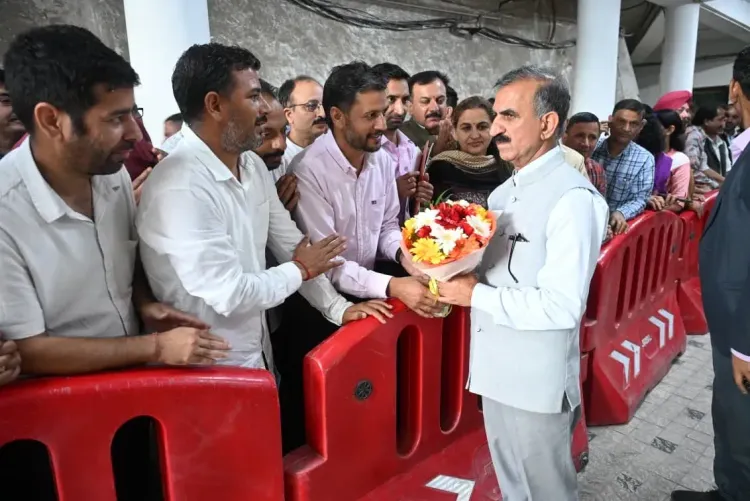
The Chief Minister's Office of Himachal Pradesh on Friday, 17 July 2026 conducted a Jan Sunwai (public hearing) in Shimla, receiving grievances from residents who had travelled from across the state to seek redressal from the government.
Context
The CMO's post stated: 'Shimla mein pradesh bhar se aaye logon ki samasyaen suni' ('Listened to the problems of people who came from across the state to Shimla'). The office underlined that 'listening to the public and ensuring time-bound resolution of their problems is an integral part of our work culture.'
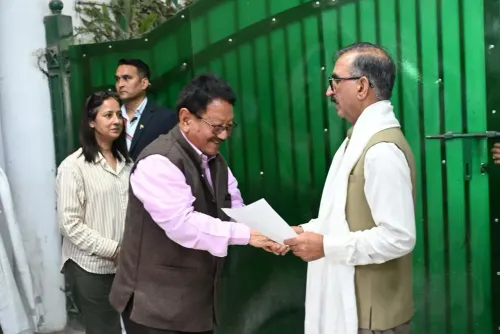
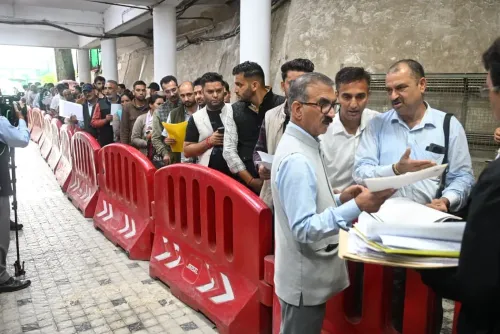
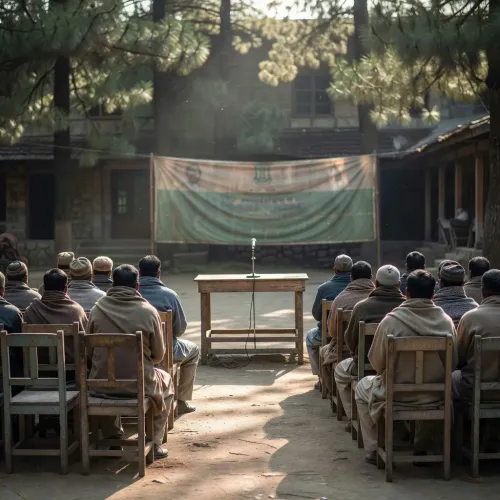
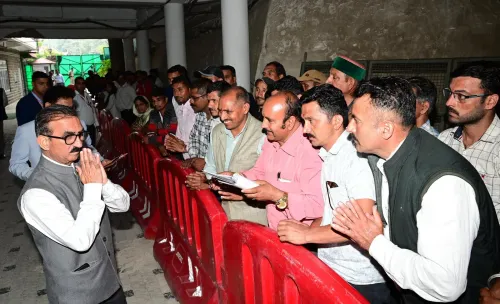
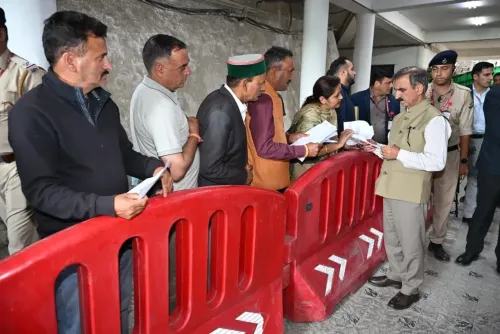
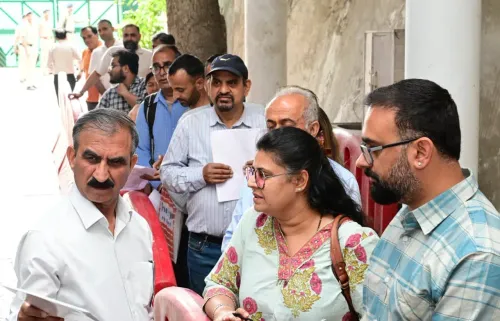
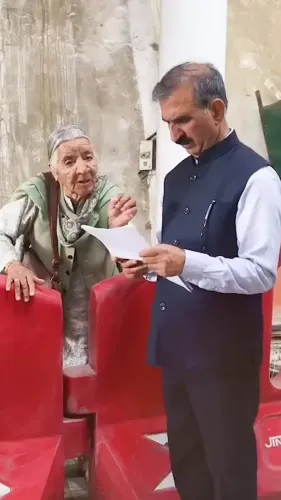
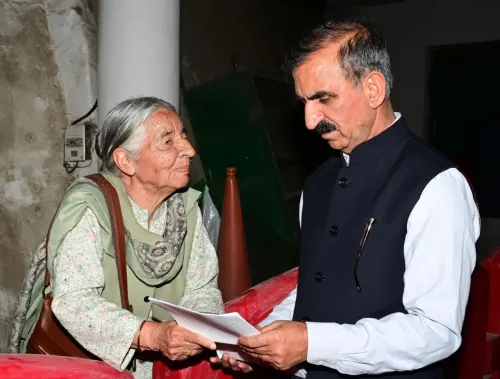
The Jan Sunwai, the post noted, 'has strengthened dialogue between the government and the common people.' Four images accompanying the post depicted the hearing in session, with citizens presenting their concerns directly to officials.
Policy Backdrop
Jan Sunwai is a structured public grievance format used by state governments across India, in which citizens can directly present complaints to senior officials and receive a commitment for time-bound action. Formal grievance redressal frameworks in Indian states trace their lineage to the 73rd and 74th Constitutional Amendments, which mandated more responsive and participatory local governance.
In hilly states such as Himachal Pradesh, where difficult terrain creates significant access barriers for residents of remote districts, such direct-outreach mechanisms carry added importance. Travelling to Shimla, the state capital, can involve long journeys through mountain roads, making a centralised hearing a meaningful opportunity for citizens who might otherwise struggle to reach government offices.
Stakeholders and Impact
The primary beneficiaries of the Jan Sunwai are common citizens and rural residents from across Himachal Pradesh's districts, many of whom face geographic and logistical hurdles in accessing state-level administration. By convening hearings at the capital and committing to time-bound resolutions, the government aims to reduce the backlog of unaddressed grievances.
The format also serves an institutional purpose: it creates a direct, unmediated channel between the Chief Minister's Office and the public, bypassing bureaucratic layers that can slow down complaint processing. Chief Ministers in several Indian states — including Uttar Pradesh, Rajasthan and Bihar — have employed similar Janata Darbar or Jan Sunwai models as signature governance outreach tools.
What's Next
Attention will now turn to the resolution status of the grievances registered at this session and whether the government announces any mechanism for tracking outcomes — such as digital complaint-monitoring portals or follow-up hearings at district headquarters. Expanding the Jan Sunwai format to sub-divisional or district levels could further reduce the burden on citizens from the most remote parts of the state.
The regularity with which the CMO of Himachal Pradesh convenes such sessions will be a key indicator of the administration's commitment to the time-bound redressal it has publicly pledged.
Point of View
' the Chief Minister's Office is setting a measurable standard against which its performance can be judged. This mirrors a broader pattern across Indian states where direct-outreach formats have become politically potent tools, blending genuine service delivery with visible accountability. The real test, as always, will be in the follow-through: whether grievances registered at Shimla translate into documented resolutions or quietly fade into bureaucratic limbo.
NationPress
17 Jul 2026
Frequently Asked Questions
What is a Jan Sunwai and how does it work?
A Jan Sunwai is a structured public hearing in which citizens can present complaints and grievances directly to senior government officials, who commit to time-bound resolution. It is used by state governments across India as a direct grievance redressal mechanism.
Where was the Himachal Pradesh Jan Sunwai held on 17 July 2026?
The Jan Sunwai was held in Shimla , the capital of Himachal Pradesh, and was organised by the Chief Minister's Office.
Who can attend the Jan Sunwai in Himachal Pradesh?
Any resident of Himachal Pradesh can attend and present their grievances. The 17 July 2026 session saw people travelling from across the state to Shimla to be heard.
Why is Jan Sunwai important in hill states like Himachal Pradesh?
In states like Himachal Pradesh, difficult mountain terrain limits access to government offices for residents of remote districts. Jan Sunwai provides a direct, centralised channel for citizens who would otherwise face significant logistical barriers.
What happens after grievances are heard at a Jan Sunwai?
The government commits to time-bound resolution of complaints raised during the hearing. Follow-up on outcomes, including digital tracking of grievance status, is an area advocates and citizens watch closely after each session.