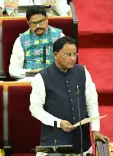
HP CM Office Shares Dairy Farmer's Success on Rs 48K State Aid
Synopsis
The Chief Minister's Office of Himachal Pradesh shared a dairy farmer's success story on 18 November 2026, detailing how Rs 48,000 in state subsidies — including Rs 25,000 direct aid and Rs 8,000 for floor construction — enabled the beneficiary to sell milk at Rs 90 per litre directly from home.
Key Takeaways
The Himachal Pradesh CM Office publicised a dairy farmer's account on 18 November 2026 .
The farmer received Rs 25,000 as a direct state subsidy, Rs 15,000 for other resources, and Rs 8,000 for floor construction — totalling Rs 48,000 .
The beneficiary is now selling milk at Rs 90 per litre directly from home, bypassing intermediaries.
The floor-construction grant addresses a specific infrastructure barrier common in Himachal Pradesh's hilly terrain.
The post is part of the state government's routine outreach to demonstrate welfare-scheme uptake and encourage new beneficiaries.
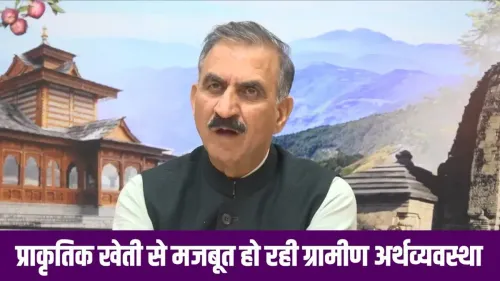
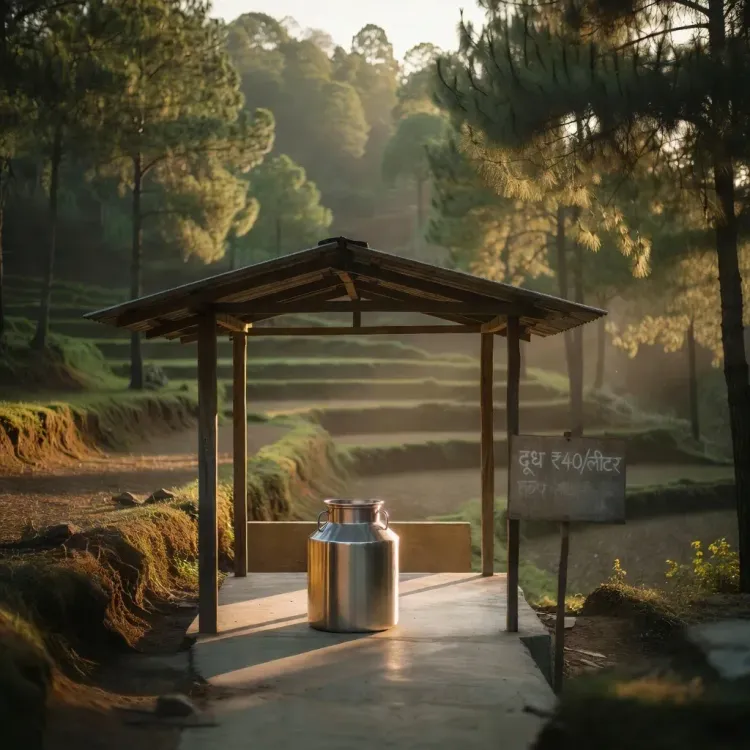
A dairy farmer in Himachal Pradesh is selling milk at Rs 90 per litre directly from home — and the state government wants the country to know exactly how that happened. The Chief Minister's Office of Himachal Pradesh shared the beneficiary's account on Wednesday, 18 November 2026, spotlighting how targeted subsidies are translating into real household income in the hills.
According to the post, the farmer received a package of Rs 48,000 in total state support: Rs 25,000 as a direct subsidy, Rs 15,000 for other essential resources, and Rs 8,000 specifically for floor construction — the kind of hygienic infrastructure that makes home-based dairy viable and marketable.
Selling at Rs 90 a litre — from the doorstep
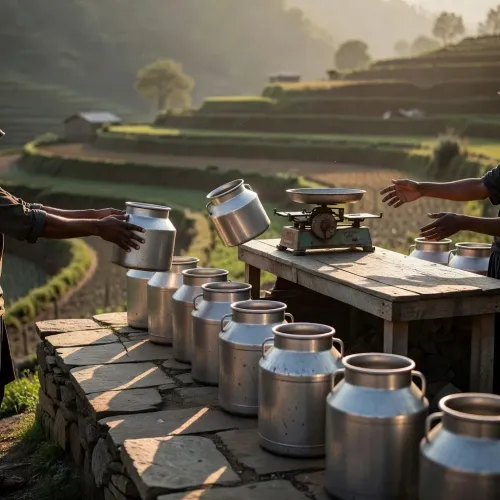
The detail that stands out is the price point. At Rs 90 per litre, the farmer is operating well above the floor rates typically offered by cooperative collection centres, cutting out intermediaries entirely. Direct-to-consumer milk sales from rural households remain uncommon in India's hilly states, where cold-chain access is limited and buyers scarce — making this a noteworthy outcome, not a routine one.
The state government's support structure — combining animal husbandry capital assistance with infrastructure grants for flooring — reflects a layered approach to smallholder dairy development that Himachal Pradesh has pursued for decades. Hill terrain raises the cost of shed construction and sanitation, so the floor-specific grant addresses a barrier that flat-land schemes often overlook.
Why HP's hilly dairy model keeps drawing attention
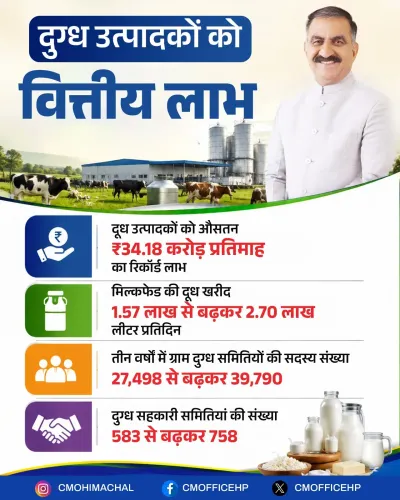
Himachal Pradesh has long used dairy development as a supplement to farm incomes in a state where arable land is scarce and wage migration is high. State animal husbandry and rural development departments have channelled capital subsidies for milch animals, sheds, and equipment since the 1990s, under both centrally sponsored and state-funded schemes. The CMO's decision to amplify an individual beneficiary's story is part of a wider pattern of welfare-delivery outreach — proof-of-concept messaging aimed at encouraging uptake among farmers who may not know the schemes exist.
The numbers are modest by aggregate standards, but the signal is deliberate: Rs 48,000 in government support, properly deployed, can convert a subsistence household into a small enterprise generating recurring income at premium retail prices. That is the story Shimla wants shared.
Point of View
Showcasing direct-to-consumer dairy at Rs 90 per litre signals that the subsidy architecture is designed for market integration, not mere production. The pattern fits a broader trend of Indian state governments using social media beneficiary storytelling to substitute for large-scale awareness campaigns in hard-to-reach geographies. Whether the scheme's aggregate reach matches the individual success story, however, would require scrutiny of annual animal husbandry department data.
NationPress
18 Nov 2026
Frequently Asked Questions
What subsidies is the Himachal Pradesh government giving for dairy farming?
According to the CM Office's post, the state is providing Rs 25,000 as a direct subsidy, Rs 15,000 for other resources, and Rs 8,000 specifically for floor construction — a total package of Rs 48,000 for eligible dairy farmers.
How much is the HP dairy farmer selling milk for?
The beneficiary highlighted by the Himachal Pradesh CM Office is selling milk at Rs 90 per litre directly from home, above typical cooperative collection-centre rates.
Why does Himachal Pradesh give a separate grant for floor construction in dairy units?
Hill terrain raises the cost of building hygienic shed infrastructure; a dedicated floor-construction grant addresses a barrier that many flat-land dairy schemes do not cover, making home-based dairy production viable in hilly areas.
Is this a new Himachal Pradesh dairy scheme announced in 2026?
The CM Office post does not announce a new scheme; it highlights an existing beneficiary. Himachal Pradesh has run capital-subsidy dairy programmes through its animal husbandry and rural development departments since the 1990s.
How can I apply for the HP dairy subsidy of Rs 25,000?
The post does not specify an application process. Prospective beneficiaries should contact the Himachal Pradesh Animal Husbandry Department or their local rural development office for eligibility criteria and application details.