MP CM Mohan Yadav Unveils 2,000 MW Gandhi Sagar Pumped Hydro Project
Synopsis
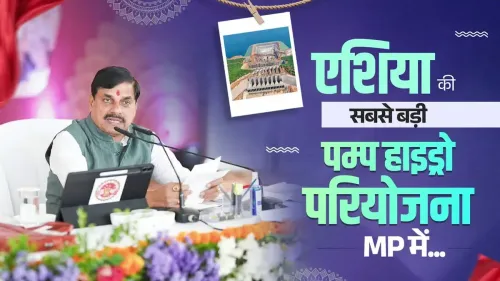
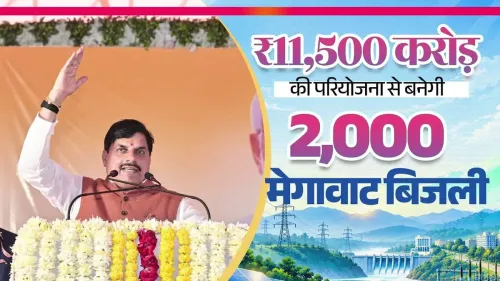
Chief Minister Dr. Mohan Yadav has announced the Gandhi Sagar Pumped Hydro Storage Project for Madhya Pradesh, with a capacity of approximately 2,000 MW. The project, rooted in the Chambal Valley's 1960 dam, is pitched as a cornerstone of the state's clean-energy and energy self-reliance drive.
Key Takeaways
The Gandhi Sagar Pumped Hydro Storage Project will add approximately 2,000 MW of power generation capacity to Madhya Pradesh.
Mohan Yadav announced the project on November 18, 2026 , calling it a 'gift' to the state.
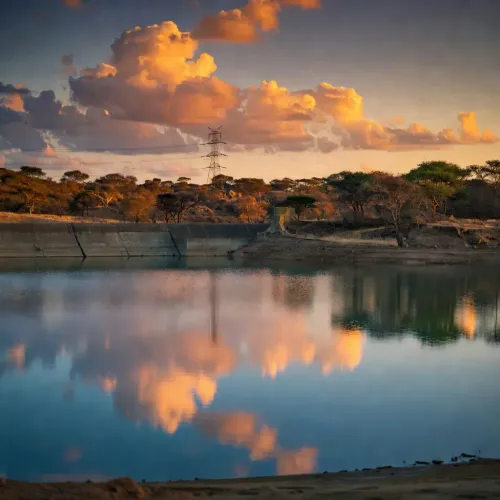
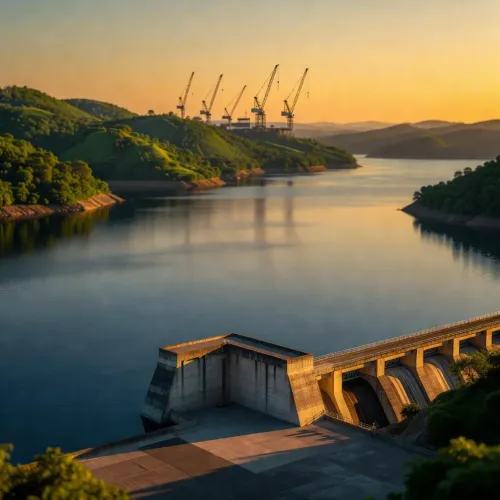
The project is built around the Gandhi Sagar Dam on the Chambal River , originally commissioned in 1960 .
Pumped hydro storage acts as large-scale grid battery, crucial for balancing rising solar and wind output.
The initiative is managed by New Energy Madhya Pradesh , the state's renewable energy agency.
Key next steps include central sanctions, environmental clearances, and finalising a construction timeline.
A dam built in 1960 to tame the Chambal River is now being asked to power Madhya Pradesh into a greener future. The Chief Minister's Office of Madhya Pradesh announced on Wednesday, November 18, 2026 that the state has received the Gandhi Sagar Pumped Hydro Storage Project, carrying an installed generation capacity of approximately 2,000 megawatts — a move Chief Minister Dr. Mohan Yadav described as a landmark step toward energy self-reliance.
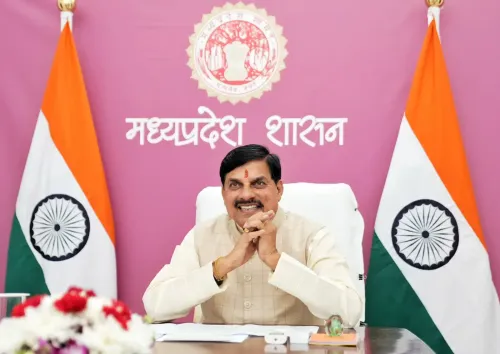
Welcoming the project, CM Dr. Mohan Yadav said: 'Mujhe prasannata hai ki pradesh ko lagbhag 2,000 megawatt vidyut utpadan kshamata wali Gandhi Sagar Pumped Hydro Storage Yojana ki saugat mili hai' — 'I am pleased that the state has received the gift of the Gandhi Sagar Pumped Hydro Storage Project with a power generation capacity of approximately 2,000 megawatts.' He added that the project would play a crucial role in promoting clean and green energy production while making the state self-reliant in the energy sector.
What Gandhi Sagar Dam Brings to the Table
The Gandhi Sagar Dam, commissioned in 1960 as the centrepiece of the inter-state Chambal Valley Development Project, was originally built for irrigation and conventional hydropower. Pumped hydro storage changes the game entirely — it uses surplus electricity (typically from solar or wind) to pump water uphill into a reservoir, then releases it back through turbines during peak demand. Think of it as a giant rechargeable battery built into existing terrain.
That architecture matters enormously right now. As Madhya Pradesh — and India broadly — adds more solar and wind capacity, the grid increasingly struggles with the mismatch between when power is generated and when it is consumed. Pumped hydro is the most proven, large-scale answer to that problem. The department New Energy Madhya Pradesh (@NewenergyMp), the state agency driving renewable expansion, is tagged in the announcement, signalling institutional ownership of the initiative.
MP's Push to Escape Thermal Dependence
Madhya Pradesh has long leaned on thermal coal plants for the bulk of its electricity. State-level renewable pushes — hydro additions, solar parks, and now pumped storage — are part of a deliberate effort to diversify that mix and align with India's national non-fossil energy commitments. A project of this scale, if realised, would represent one of the largest single capacity additions in the state's energy history.
What comes next is where the story gets granular: central agency sanctions, environmental clearances for the reservoir zone, and a construction timeline still to be firmed up are all ahead. The Chambal Valley region carries ecological sensitivity — the river is home to the critically endangered gharial — meaning clearance processes will draw scrutiny. But the political signal from CM Dr. Mohan Yadav's office is unambiguous: Madhya Pradesh wants to be an energy-surplus, clean-power state, and it is leaning on a sixty-six-year-old dam to help get there.
Point of View
It reinforces an energy-leadership narrative ahead of a period when central funding for pumped hydro is competitive. The real test will be whether environmental clearances for the ecologically sensitive Chambal corridor move at a pace that keeps the 2,000 MW figure credible — or whether this remains a headline capacity rather than a commissioned one.
NationPress
18 Nov 2026
Frequently Asked Questions
What is the Gandhi Sagar Pumped Hydro Storage Project in Madhya Pradesh?
It is a planned pumped hydro storage facility at the Gandhi Sagar Dam on the Chambal River in Madhya Pradesh, with a proposed capacity of approximately 2,000 MW. It will store surplus renewable energy and release it during peak demand, acting like a giant grid-scale battery.
What is pumped hydro storage and how does it work?
Pumped hydro storage uses excess electricity to pump water from a lower reservoir to a higher one. When power is needed, the water is released downhill through turbines to generate electricity — making it one of the most established and large-scale forms of energy storage globally.
Where is Gandhi Sagar Dam located?
Gandhi Sagar Dam is located on the Chambal River in Madhya Pradesh. It was originally commissioned in 1960 as part of the inter-state Chambal Valley Development Project for irrigation and conventional hydropower generation.
Who announced the Gandhi Sagar hydro project and when?
Chief Minister Dr. Mohan Yadav of Madhya Pradesh announced the project on November 18, 2026, via the official Chief Minister's Office account on X.
What is New Energy Madhya Pradesh's role in this project?
New Energy Madhya Pradesh is the state government department responsible for new and renewable energy development. It is the nodal agency overseeing this pumped hydro initiative alongside the Chief Minister's Office.