HP CM Office: Congress Govt Reclaiming State's Water, Power Rights
Synopsis
The Himachal Pradesh Chief Minister's Office says the Congress government, nearly four years in, is making sustained progress in reclaiming the state's rights over water, hydroelectric power, and ecology — disputes rooted in decades-old federal resource arrangements.
Key Takeaways
The Chief Minister's Office of Himachal Pradesh posted on November 17, 2026 , marking nearly four years of Congress governance under CM Sukhvinder Singh Sukhu .
The government frames its core mission as 'systemic transformation' — renegotiating water, hydroelectric royalty, and ecology rights with the Centre and neighbouring states.
Key disputes involve the Bhakra and Beas river systems , where Himachal argues existing royalty and water-sharing formulas undervalue its upstream contribution.
The 2022 Congress manifesto explicitly committed to renegotiating hydel royalties, giving this campaign a clear electoral mandate.
Ongoing litigation and potential inter-state agreements on royalties and ecological compensation remain the critical milestones to watch.
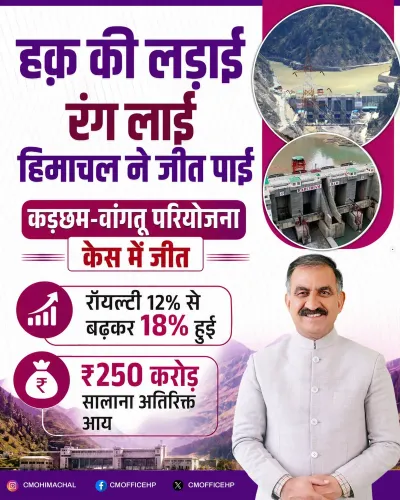
For a budget-constrained hill state, additional hydel royalty and revised water-sharing terms represent direct fiscal gains for public services.
Four years into power, the Congress government in Himachal Pradesh says it is turning the page on decades of unresolved disputes — over river water, hydroelectric royalties, and forest ecology — that have long held the mountain state's economy hostage. The Chief Minister's Office of Himachal Pradesh posted on Tuesday, November 17, 2026, signalling that the state is making sustained progress in reclaiming its constitutional and economic rights.
The post, in Hindi, states: 'व्यवस्था परिवर्तन के माध्यम से हिमाचल के हक और अधिकारों को वापस हासिल करने की दिशा में कांग्रेस सरकार सतत प्रयासरत है' — 'The Congress government is continuously striving to reclaim the rights and entitlements of Himachal through systemic transformation.' It goes on to describe nearly four years of the government's tenure as a period in which long-standing legal battles linked to water, electricity, and ecology have been steered toward the hill state's economic security.
The Resource Claims at the Heart of This Push
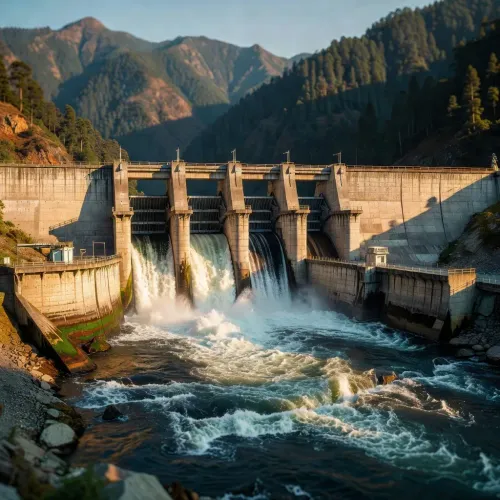
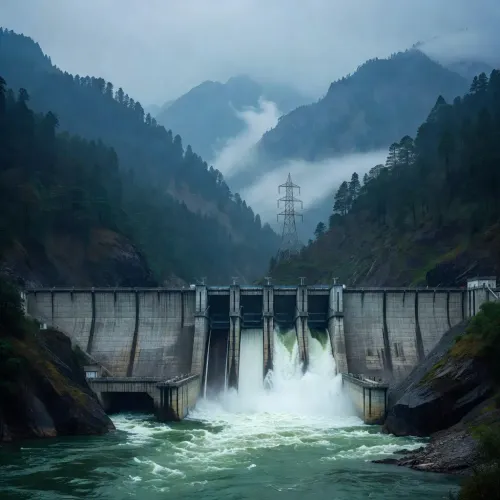
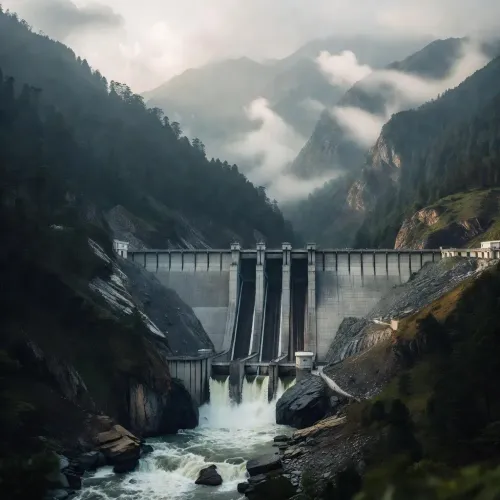
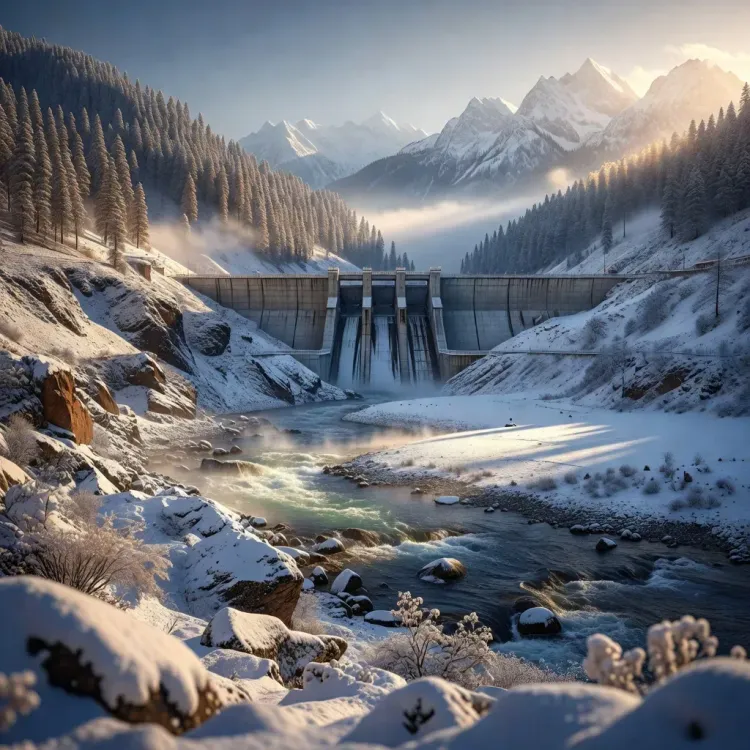
Himachal Pradesh's most consequential resource disputes revolve around hydroelectric power and river systems. The state sits astride major rivers — the Beas, Sutlej, and Ravi — and hosts a network of power projects whose royalties and water-sharing formulas have been contested for generations. The Bhakra and Beas projects, built in the post-independence era, remain flashpoints: Himachal has long argued that the revenues and water allocations flowing from these projects do not reflect its geographical contribution or its ecological burden as an upstream state. Forest ecology compounds the picture. Because Himachal Pradesh is classified as a hill and eco-sensitive zone, large tracts of productive land face restrictions under central environmental laws, limiting industrial and developmental options even as downstream plains benefit from the ecological services the mountains provide. The Congress manifesto of 2022 explicitly committed to renegotiating hydel royalties and water-sharing arrangements — a promise the government now frames as an ongoing legal and institutional campaign.Sukhu Government's Framing: 'Systemic Transformation'
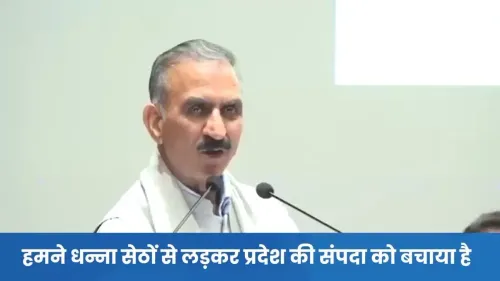
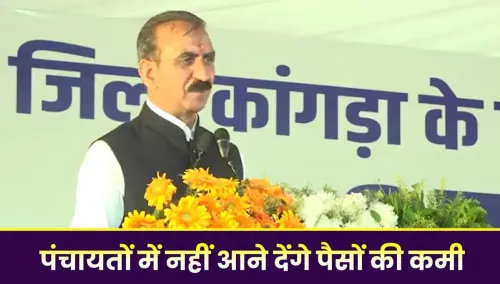
Chief Minister Sukhvinder Singh Sukhu, who took office in December 2022, has consistently positioned his administration around the idea of reversing what he describes as historical inequities baked into Centre-state resource arrangements. The phrase 'व्यवस्था परिवर्तन' — 'systemic transformation' — is a deliberate rhetorical signal: this is not framed as routine litigation management but as a structural renegotiation of Himachal's place in India's federal resource architecture. Indian states have long pursued both legal and political routes to increase their share of river waters and hydroelectric revenues. Himachal's case is structurally distinct because it is simultaneously a supplier of water and power to downstream states and a recipient of environmental constraints that restrict its own development. That asymmetry is the government's core argument — and the basis of the legal struggles the post references.What Courts and Negotiations Will Decide Next
The outcome of ongoing water and power-related litigation, as well as any new inter-state or Centre-state agreements on royalty structures and ecological compensation, will determine how much of this campaign translates into actual revenue for Himachal Pradesh's treasury. The government has been careful to frame even incremental legal progress as directional wins, keeping the narrative of reclamation alive ahead of the next electoral cycle. For a state whose budget is structurally dependent on central transfers and whose terrain limits conventional economic diversification, the stakes of these resource disputes are not abstract. Every percentage point of additional hydel royalty, every renegotiated water-sharing clause, is real money for schools, roads, and salaries. The Congress government is betting that the politics of rights reclamation resonates as powerfully in Shimla as the economics do.Point of View
Keeping the Congress base energised. Within India's broader federal dynamics, Himachal's case is a test of whether ecologically constrained upstream states can renegotiate terms set in a different political and economic era. The timing of this post, nearly at the four-year mark, suggests the government is beginning to build its re-election case around this issue. Whether actual legal or financial victories materialise before the next assembly elections will determine whether the narrative holds.
NationPress
17 Nov 2026
Frequently Asked Questions
What rights is the Himachal Pradesh government trying to reclaim?
The Himachal Pradesh government is pursuing reclamation of rights related to river water sharing, hydroelectric power royalties from projects on the Beas, Sutlej, and Ravi rivers, and fair compensation for the ecological restrictions placed on the state's forest land.
What are Himachal Pradesh's hydroelectric royalty disputes about?
Himachal Pradesh argues that existing royalty formulas for major power projects, including those linked to the Bhakra and Beas systems, do not adequately reflect the state's geographical contribution and the environmental constraints it bears as an upstream, ecologically sensitive region.
When did the Sukhu-led Congress government come to power in Himachal Pradesh?
Chief Minister Sukhvinder Singh Sukhu's Congress government took office in Himachal Pradesh in December 2022, following the state assembly elections that year.
Why does Himachal Pradesh face economic constraints compared to other states?
Himachal Pradesh's hilly and eco-sensitive terrain restricts large-scale industrial development, while central environmental laws limit use of its forested land. The state is structurally dependent on central transfers and argues it deserves greater revenue from hydroelectric projects and water resources it hosts.
What is 'vyavastha parivartan' in the context of Himachal Pradesh politics?
'Vyavastha parivartan,' meaning 'systemic transformation,' is the Congress government's framing for its effort to structurally renegotiate Himachal Pradesh's position in India's federal resource-sharing architecture, particularly regarding water, power, and ecology.