HP CM Office: Heavy Rain Hits Chamba, Shimla Roads
Synopsis
The Chief Minister's Office of Himachal Pradesh reported on 28 July 2026 that heavy overnight rainfall has disrupted life across the state, with debris and water entering homes in Chamba's Ovdi Mohalla and landslides blocking roads in Shimla and other areas.
Key Takeaways
The CMO Himachal Pradesh reported heavy rainfall since the night of 27 July 2026 disrupting life across multiple districts.
In Chamba district's Ovdi Mohalla , debris and water entered residential homes.
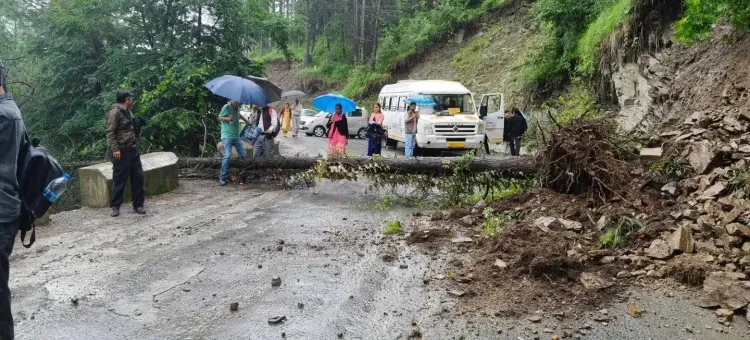
Shimla and several other locations have been hit by landslides and rockfalls, blocking roads and disrupting movement.
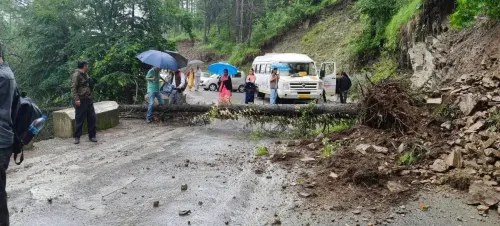
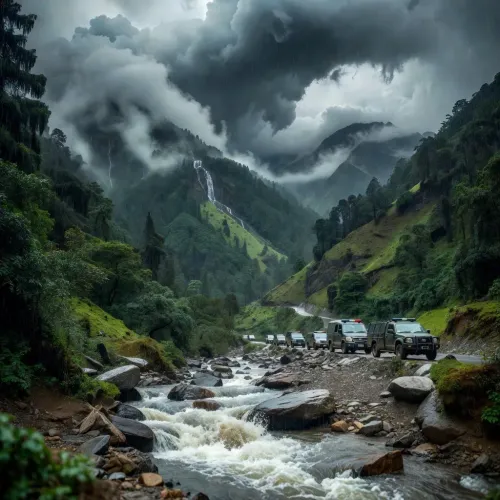
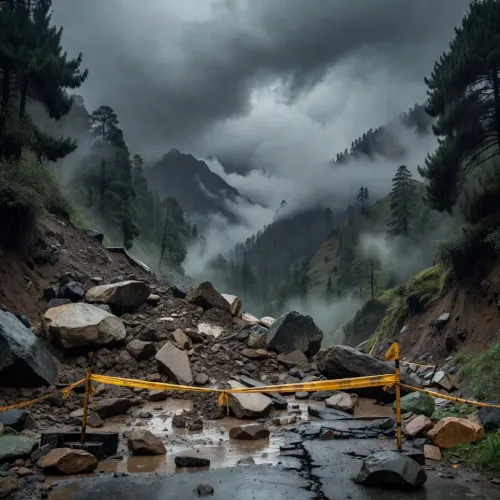
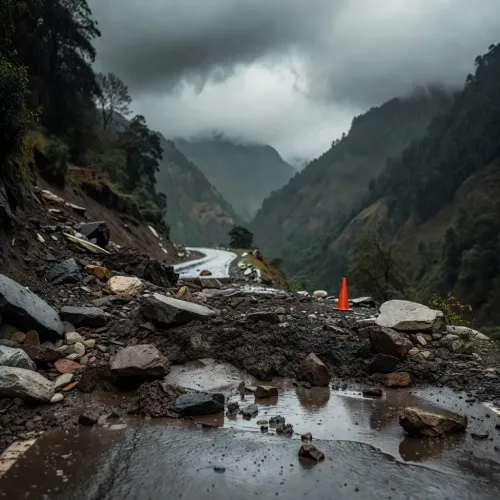
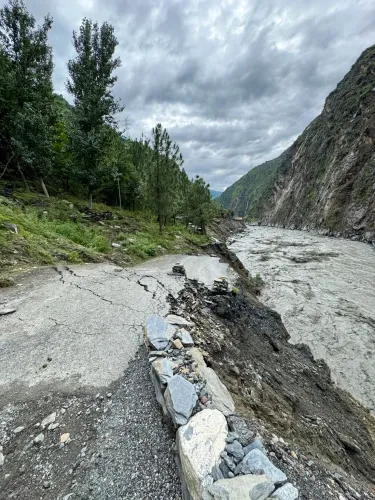
The post was accompanied by four images showing on-ground damage.
Himachal Pradesh lost over 400 lives in the 2023 monsoon season, highlighting the state's recurring vulnerability.
Coordination with the IMD and NDRF is standard state protocol during such monsoon emergencies.
The Chief Minister's Office of Himachal Pradesh on Tuesday, 28 July 2026, reported that incessant heavy rainfall since the previous night has disrupted normal life across several districts of the state, with debris and water entering homes in Chamba district's Ovdi Mohalla and landslides blocking roads in Shimla and multiple other locations.
Context
The CMO's post, shared with four images, stated: 'बीती रात से प्रदेश के अलग-अलग जिलों में लगातार हो रही भारी बारिश के कारण जनजीवन प्रभावित हुआ है' ('Heavy rainfall continuing since last night across various districts of the state has disrupted normal life'). It specifically flagged that in Ovdi Mohalla, Chamba district, debris and water had entered residential homes. Landslides and rockfalls in Shimla and several other locations have disrupted roads and movement.
The images accompanying the post depicted the scale of damage on the ground, including blocked roads and flooded residential areas, underscoring the breadth of the disruption across the state.
Policy Backdrop
Himachal Pradesh, a northern Himalayan state with steep and geologically fragile terrain, is acutely vulnerable to monsoon-induced landslides, cloudbursts, and flash floods between June and September each year. The state suffered one of its most devastating monsoon seasons in 2023, when over 400 lives were lost and infrastructure damage ran into thousands of crores of rupees.
Chamba district, bordering Jammu and Kashmir, has a history of repeated impact from debris flows and heavy rainfall. Shimla, the state capital situated in the lower Himalayas, regularly sees its primary arterial roads cut off during peak monsoon months, isolating communities and disrupting supply chains.
Stakeholders and Impact
Residents of hill communities — particularly in Chamba and the areas around Shimla — bear the immediate brunt of such events, with homes damaged, roads rendered impassable, and daily movement severely restricted. Road users and transporters face significant delays as landslides and rockfalls block key highways and link roads connecting interior villages to urban centres.
State administrations in Himachal Pradesh routinely coordinate with the India Meteorological Department (IMD) and the National Disaster Response Force (NDRF) during such periods to assess damage, deploy relief teams, and issue safety advisories to the public.
What's Next
Attention will now turn to extended weather forecasts from the IMD for the next 48 to 72 hours, which will determine whether relief and restoration work can begin in earnest. Any state government announcements on NDRF deployment, temporary road closures, or emergency relief measures will be closely watched.
With the monsoon season still at its peak, Himachal Pradesh faces the recurring challenge of balancing emergency response with longer-term infrastructure resilience — a challenge that has grown more pressing as the intensity of monsoon events has increased in recent years.
Point of View
Real-time approach to disaster transparency than was typical of state administrations a decade ago. However, the recurrence of such disruptions each monsoon season raises pointed questions about the pace of investment in slope-stabilisation and road-resilience infrastructure. The 2023 season's devastating toll set a political baseline: any perception of inadequate response now carries electoral weight in a state where hill connectivity is both a livelihood issue and a matter of life and death. The pattern of escalating monsoon intensity also places pressure on the state to move beyond reactive relief toward proactive, climate-adaptive infrastructure planning.
NationPress
27 Oct 2026
Frequently Asked Questions
Which areas of Himachal Pradesh were affected by heavy rain on 28 July 2026?
According to the Chief Minister's Office, heavy rainfall affected several districts across Himachal Pradesh, with Chamba district's Ovdi Mohalla reporting debris and water entering homes, and Shimla among the locations hit by landslides and rockfalls blocking roads.
What damage was reported in Chamba due to the rainfall?
The CMO reported that in Ovdi Mohalla in Chamba district, debris and water entered residential homes as a result of the heavy overnight rain.
Are roads blocked in Shimla due to landslides in July 2026?
Yes, the CMO of Himachal Pradesh confirmed that landslides and rockfalls from hills have disrupted roads and movement in Shimla and several other locations in the state.
How vulnerable is Himachal Pradesh to monsoon landslides?
Himachal Pradesh is highly vulnerable due to its steep Himalayan terrain and fragile geology. The state experiences recurrent landslides, flash floods, and cloudbursts between June and September, and suffered over 400 deaths during the 2023 monsoon season alone.
What agencies respond to monsoon disasters in Himachal Pradesh?
The state government typically coordinates with the India Meteorological Department for weather forecasts and the National Disaster Response Force for on-ground relief and rescue operations during monsoon emergencies.