IAF's 13 Base Repair Depot marks golden jubilee with Air Defence 2040 seminar
Synopsis
India's IAF quietly marked a half-century of radar and communication sustainment — but the real story is what came next: a successful hydrogen fuel cell demonstration powering IAF radars, in partnership with NTPC and the National Green Hydrogen Mission, signalling that clean energy is now entering India's military operational doctrine.
Key Takeaways
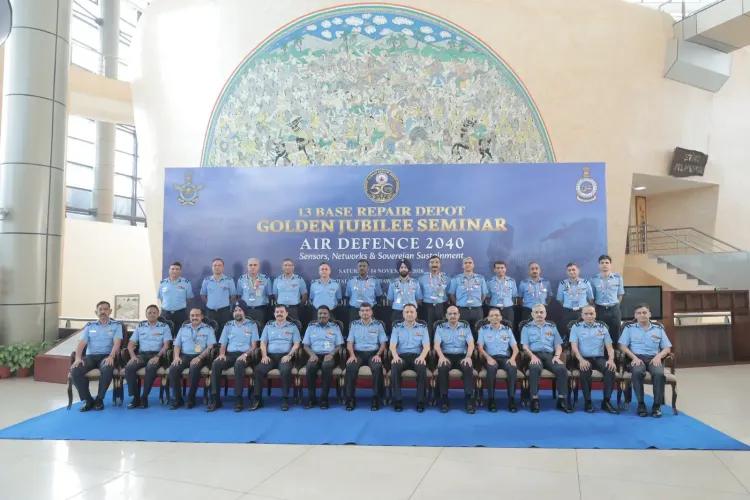
IAF's 13 Base Repair Depot celebrated its golden jubilee on 15 November 2026 at the Manekshaw Centre, New Delhi .
The seminar theme was 'Air Defence 2040: Sensors, Networks & Sovereign Sustainment' , attended by military leadership, veterans, DRDO, and industry.
Air Marshal Yalla Umesh called for indigenous testing, repair, and life-cycle support capabilities embedded at the equipment design stage.
Expert sessions covered quantum sensing , radar life-cycle management, and network-centric air defence modernisation.
A landmark demonstration of hydrogen fuel cell technology for powering IAF radars was showcased, in partnership with NTPC and the National Green Hydrogen Mission .
The Depot was established in 1976 , tracing its legacy to the Radar and Communication Project Office.
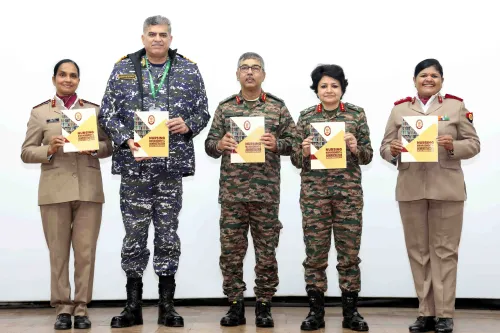
The Indian Air Force's 13 Base Repair Depot marked 50 years of distinguished service on 15 November 2026 with a seminar titled 'Air Defence 2040: Sensors, Networks & Sovereign Sustainment' at the Manekshaw Centre in New Delhi. The event brought together senior military leadership, veterans, defence scientists, academics, and leading industry partners to chart the roadmap for self-reliant air defence sustainment over the coming decades.
Key Address and Core Message
Air Marshal Yalla Umesh, Air Officer Commanding-in-Chief of IAF Maintenance Command, presided over the seminar and delivered its central message: operational availability, not mere procurement, is the true measure of an air defence system's effectiveness. He stressed that sustainment must be embedded into equipment design and induction from day one, rather than treated as an afterthought.
Air Marshal Umesh defined sovereign sustainment as the nation's ability to independently diagnose, repair, and restore sophisticated defence systems on home soil. He called on industry partners to design equipment with indigenous testing, repair, and full life-cycle support capabilities — a direct reinforcement of India's broader Atmanirbhar Bharat vision in defence.
Five Decades of Service
Established in 1976 and tracing its origins to the Radar and Communication Project Office, the 13 Base Repair Depot has been a foundational pillar of the IAF's maintenance ecosystem for half a century. Over these 50 years, it has undertaken repair, overhaul, and life-cycle support of critical radar and communication equipment, playing a pivotal role in sustaining the operational readiness of vital air defence systems. The Depot's commanding officer, in his welcome address, acknowledged the contributions of veterans and underscored the urgency of building indigenous engineering and industrial capabilities ahead of Air Defence 2040.
Emerging Technologies on the Agenda
The seminar featured expert deliberations on a range of frontier technologies, including quantum sensing, life-cycle management of ageing platforms, and the modernisation of air defence radars and network-centric air defence architectures. These discussions reflect a broader IAF shift from platform-centric to network-centric operational thinking — a transition that places new demands on repair and sustainment infrastructure.
Hydrogen Fuel Cell Milestone for IAF Radars
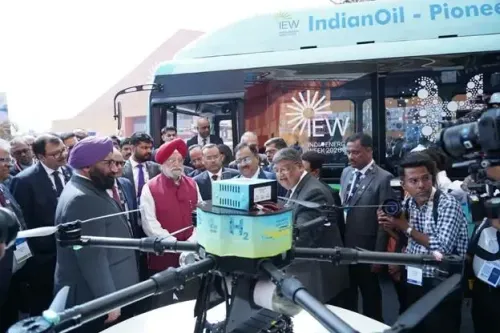
A standout highlight of the event was the demonstration of hydrogen fuel cell technology for powering IAF radars, developed in partnership with the National Green Hydrogen Mission and NTPC. This marks a significant milestone in sustainable radar operations, with hydrogen fuel cells offering the potential for enhanced operational resilience, energy autonomy, and cleaner deployment of air defence systems — particularly in remote and high-altitude operational environments where logistics chains are stretched. The initiative signals that India's military is beginning to integrate clean energy strategies into its operational doctrine, not merely its peacetime infrastructure. As the IAF looks to Air Defence 2040, the convergence of sovereign sustainment, emerging sensor technologies, and green energy solutions will define whether India can truly indigenise not just its hardware, but its entire defence support ecosystem.
Point of View
While early-stage, is a signal that the IAF is beginning to think about energy resilience as an operational variable, not just an environmental preference. If indigenised across forward-deployed radars, it could meaningfully reduce logistical vulnerability in high-altitude and remote theatres — a quiet but consequential shift.
NationPress
15 Nov 2026
Frequently Asked Questions
What is the IAF's 13 Base Repair Depot and what does it do?
The 13 Base Repair Depot is a key unit of the Indian Air Force's maintenance ecosystem, established in 1976, responsible for the repair, overhaul, and life-cycle support of critical radar and communication equipment. Tracing its origins to the Radar and Communication Project Office, it has sustained the operational readiness of vital air defence systems for 50 years.
What was the Air Defence 2040 seminar about?
The seminar, held on 15 November 2026 at the Manekshaw Centre in New Delhi, focused on the future of India's air defence sustainment under the theme 'Sensors, Networks & Sovereign Sustainment'. It featured expert deliberations on quantum sensing, radar modernisation, network-centric air defence, and clean energy solutions for military operations.
What is sovereign sustainment and why does the IAF emphasise it?
Sovereign sustainment refers to a nation's ability to independently diagnose, repair, and restore its own sophisticated defence systems without relying on foreign support. Air Marshal Yalla Umesh stressed it at the seminar because India's air defence systems are increasingly complex, and over-dependence on external OEM support creates strategic vulnerability.
What is the significance of the hydrogen fuel cell demonstration at the IAF seminar?
The demonstration showed hydrogen fuel cells successfully powering IAF radars, developed in partnership with NTPC and the National Green Hydrogen Mission. It is significant because it offers a clean, energy-autonomous power source for radar systems in remote or high-altitude environments where conventional fuel supply chains are logistically difficult.
Who presided over the 13 Base Repair Depot golden jubilee seminar?
Air Marshal Yalla Umesh, Air Officer Commanding-in-Chief of IAF Maintenance Command, presided over the seminar. The event also saw participation from senior military leadership, veterans, DRDO representatives, academia, and leading defence industry partners.