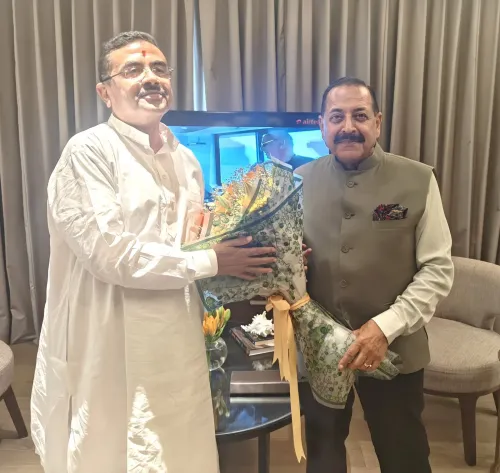
Dr. Jitendra Singh meets ICC delegation eyeing ₹1 lakh crore West Bengal push
Synopsis
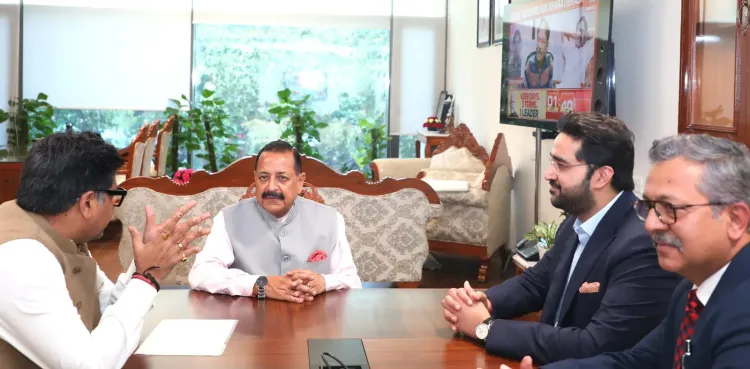
The Indian Chamber of Commerce, led by National President Brij Bhushan Aggarwal, met Union Minister Dr. Jitendra Singh on 10 June 2026 to present a proposed ₹1 lakh crore investment pipeline for West Bengal, citing renewed industry confidence in the state's economic potential.
Key Takeaways
Jitendra Singh received an ICC delegation on 10 June 2026 , led by National President Brij Bhushan Aggarwal .
The ICC delegation stated its member companies are working to facilitate investments worth ₹1 lakh crore in West Bengal .
The delegation described West Bengal as witnessing 'renewed optimism and positive energy' favourable to investment.
ICC called for sustained trilateral engagement between industry, the Modi government , and the state administration.
The Indian Chamber of Commerce was founded in 1925 by Ghanshyam Das Birla and is headquartered in Kolkata .
Follow-up on the ₹1 lakh crore pipeline and joint investment facilitation events is expected in coming months.
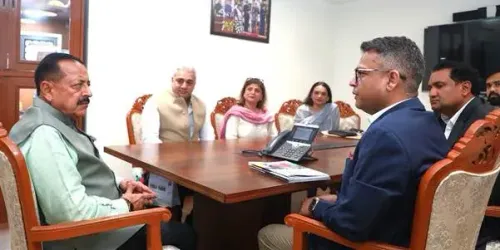
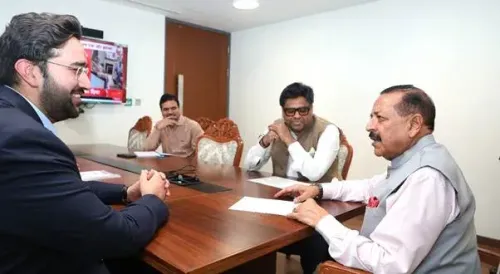
Union Science and Technology Minister Dr. Jitendra Singh received a delegation from the Indian Chamber of Commerce (ICC) on Wednesday, 10 June 2026, led by its National President Sh Brij Bhushan Aggarwal, to discuss a proposed investment pipeline of ₹1 lakh crore in West Bengal.
Context
The ICC delegation informed Dr. Jitendra Singh that its member companies are working towards facilitating investments worth ₹1 lakh crore in West Bengal. The delegation described these proposed investments as a reflection of industry confidence in the state's economic potential and long-term growth opportunities.
Delegation members also conveyed that West Bengal is witnessing 'a renewed sense of optimism and positive energy,' which they believe could help accelerate economic growth and strengthen the state's position as a key investment destination.
Policy Backdrop
The Indian Chamber of Commerce is one of India's oldest industry bodies, established in 1925 by leading industrialist Ghanshyam Das Birla and other prominent businessmen of the era. Headquartered in Kolkata, the ICC has historically served as a bridge between the Union government, state administrations, and the private sector, particularly in eastern India.
The meeting aligns with a broader pattern of central ministers engaging industry chambers to discuss state-level investment pipelines and ease-of-doing-business reforms. Eastern states, including West Bengal, have received renewed central attention in recent years as policymakers seek to address historical gaps in manufacturing and infrastructure investment relative to western and southern states.
The ICC delegation specifically highlighted the importance of 'sustained engagement between industry, the Narendra Modi government and the state administration' in fostering a conducive environment for investment and enterprise — framing the proposed pipeline as a trilateral effort rather than a unilateral industry initiative.
Stakeholders and Impact
West Bengal, with Kolkata as its capital, carries a long industrial and commercial heritage. If the proposed ₹1 lakh crore investment pipeline materialises, it would represent a significant boost to the state's manufacturing, infrastructure, and services sectors, with potential multiplier effects on employment and ancillary industries.
The ICC's member companies span a range of industries, and their collective commitment signals organised private-sector interest in the state's growth story. Industry chambers such as the ICC continue to play an intermediary role, translating ground-level investor sentiment into structured policy conversations at the national level.
What's Next
The delegation's engagement with a Union minister suggests the ICC is seeking central facilitation alongside state-level cooperation to convert the proposed investment figure into concrete project commitments. Follow-up announcements on the ₹1 lakh crore pipeline — including sector-specific allocations and timelines — are expected in the coming months.
Sustained central-state coordination, of the kind the ICC has called for, will be critical to translating investor optimism in West Bengal into on-ground economic activity and positioning the state as a competitive destination in India's broader investment landscape.
Point of View
It could mark a significant shift in West Bengal's investment narrative and reinforce the Modi government's push to develop eastern India as a manufacturing and commercial hub.
NationPress
20 Sept 2026
Frequently Asked Questions
What is the ICC's proposed investment in West Bengal?
The Indian Chamber of Commerce has stated it is working to facilitate investments worth ₹1 lakh crore in West Bengal through its member companies, reflecting industry confidence in the state's economic potential.
Who is Brij Bhushan Aggarwal?
Brij Bhushan Aggarwal is the National President of the Indian Chamber of Commerce, who led the ICC delegation that met Union Minister Dr. Jitendra Singh on 10 June 2026.
When was the Indian Chamber of Commerce founded?
The Indian Chamber of Commerce was founded in 1925 by industrialist Ghanshyam Das Birla and other prominent businessmen of the time, and is headquartered in Kolkata.
Why did the ICC meet Dr. Jitendra Singh?
The ICC met Dr. Jitendra Singh to present its proposed ₹1 lakh crore investment pipeline for West Bengal and to highlight the importance of sustained engagement between industry, the central government, and the state administration.
What is West Bengal's investment outlook according to the ICC?
According to the ICC delegation, West Bengal is witnessing a renewed sense of optimism and positive energy that could accelerate economic growth and strengthen its position as a key investment destination.